
Hokkaido Photography Locations: A Wildlife & Landscape Itinerary
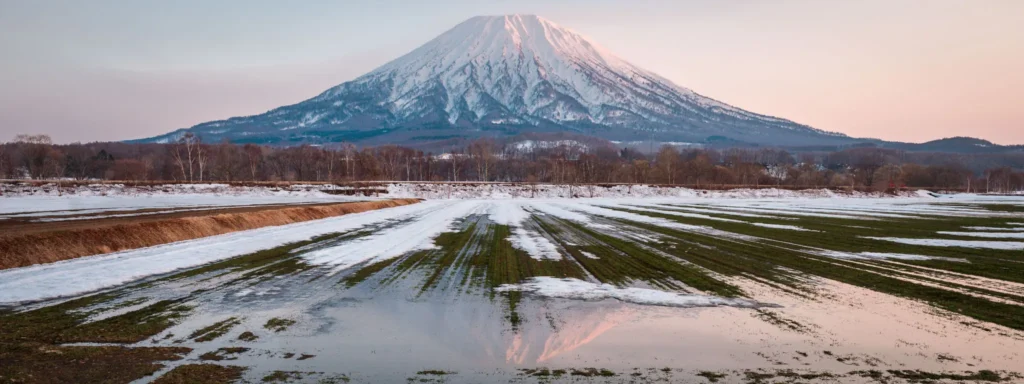
Hokkaido feels like a different side of Japan—quieter, wilder, and far less developed than the mainland. Shaped by a relatively recent frontier history and the heritage of the Ainu, it’s a place defined by open landscapes, harsh winters, and strong seasonal change.
Deep snow blankets the island for months, giving way to short summers and early autumn colour, while much of the land remains covered in forests, mountains, and volcanic terrain. Wildlife still plays a visible role here—from roaming deer and foxes to the powerful Ezo brown bear—making it feel less like a polished destination and more like a raw, natural environment where nature still leads.
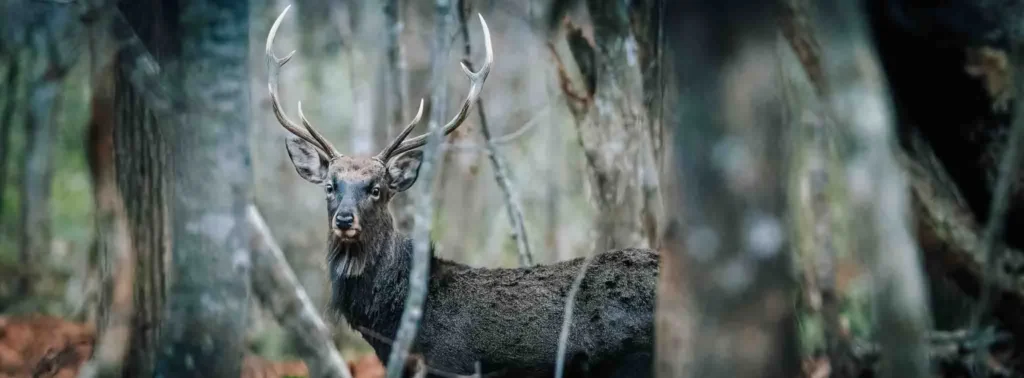
That’s what makes Hokkaido one of the best places in Japan for landscape and wildlife photography—and for finding unique Hokkaido photography locations. Clean scenes, strong seasons, and long winters create simple, atmospheric images, while wildlife adds life and unpredictability.
If I was planning a photography trip to Hokkaido, I wouldn’t try to see everything.
The island is much bigger than most people expect, and trying to cover it all usually means spending more time driving than actually shooting.
that consistently offer the best Hokkaido photography locations—and give myself time to slow down and return to the same places more than once.
For this kind of trip, I’d recommend renting a car—most of the best photography locations in Hokkaido aren’t easily accessible otherwise.
Wildlife Photography Around Sapporo & New Chitose
If you’re flying into New Chitose Airport, you don’t need to rush straight across the island.
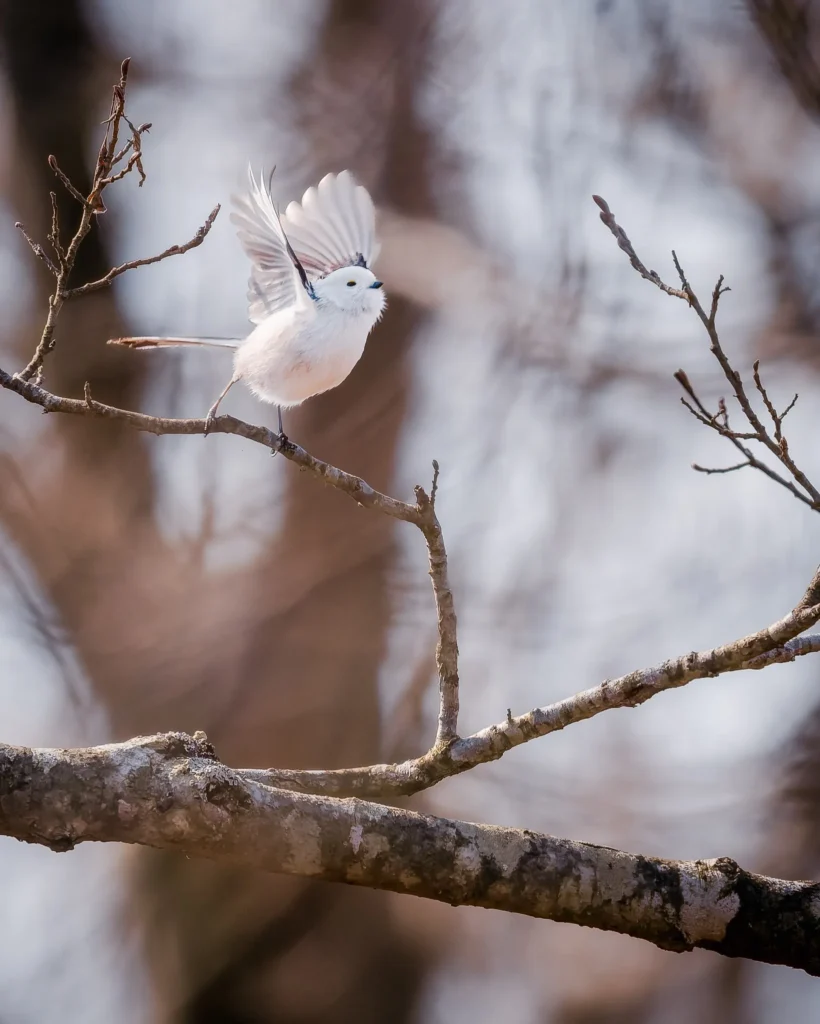
There are several good wildlife photography locations nearby. Lake Utonai is a peaceful wetland known for its birdlife, with a wide variety of migratory and resident species passing through. With a bit of luck, you might spot the small and iconic Shima enaga.
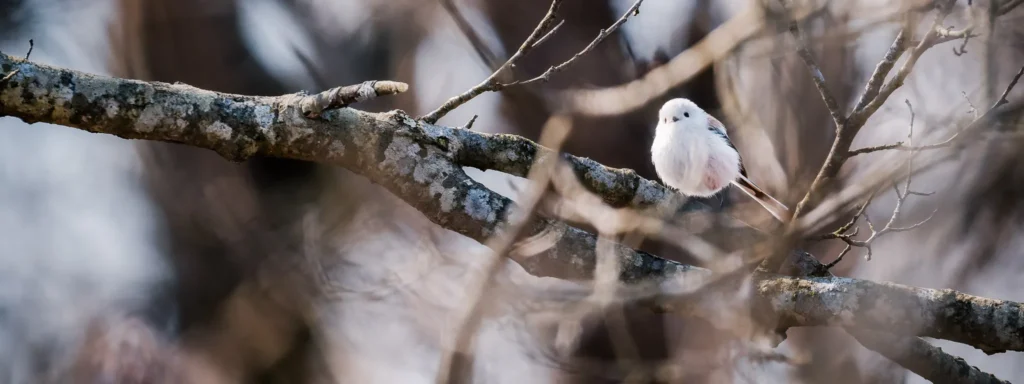
It’s easy to access and a good place to slow down and start observing rather than rushing.
Nearby, Aoba Park is worth exploring. Walking through the forest, you might find Ezo owls or deer moving quietly between the trees.
If you head into Sapporo, parks like Makomanai Park and Nopporo Forest Park offer more opportunities for wildlife photography, including Ezo owls, red squirrels, and other species.
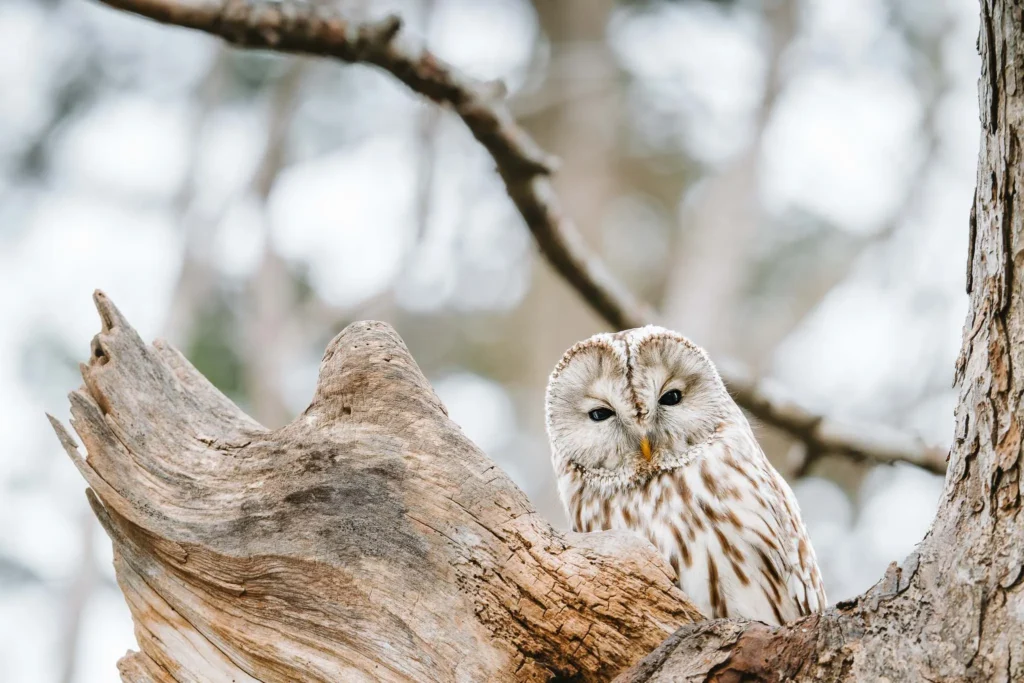
If you want more details on locations and what you can find, I’ve written a guide to wildlife and nature photography near Sapporo here:
Wildlife and Nature Photography Near Sapporo
It’s also a practical place to start a trip—if you’ve forgotten gear or need supplies, Sapporo is the best place to sort it out.
Wildlife Photography in Tsurui & Akan
If I had to choose one region for wildlife photography in Hokkaido, I’d go east.
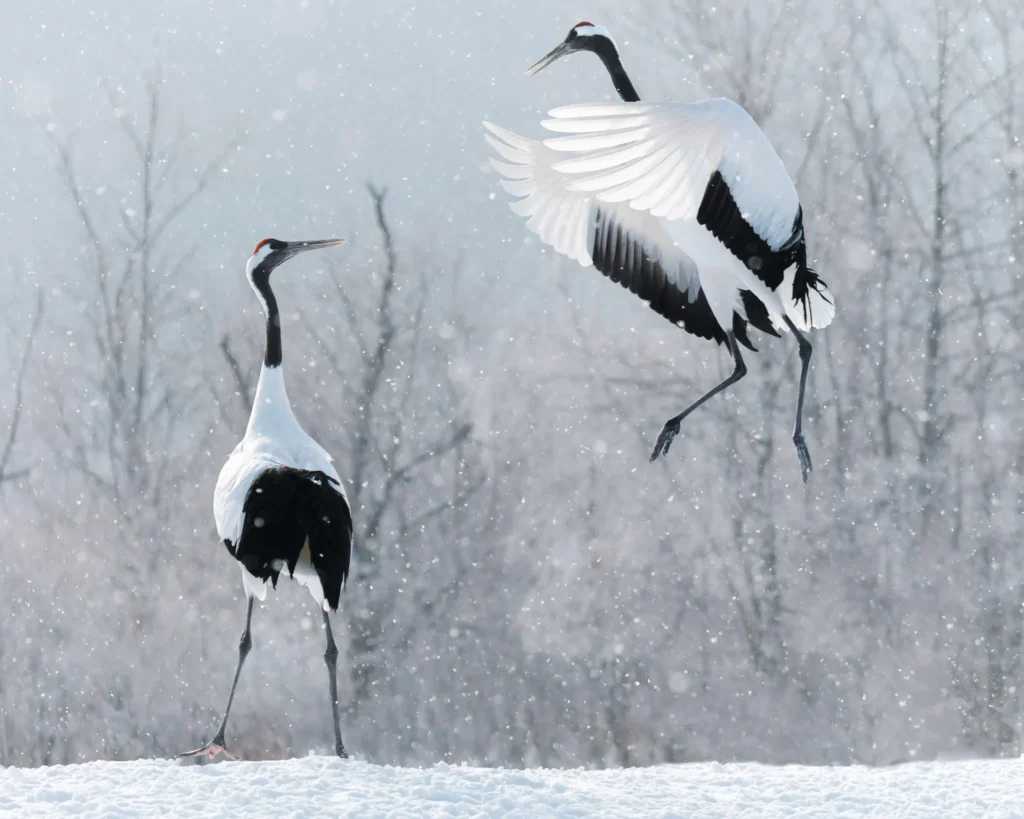
The Tsurui and Akan area is one of the most reliable places for photography, especially in winter.
This is where you’ll find red-crowned cranes, often photographed in misty river scenes early in the morning. It’s well known, but for good reason—the conditions are consistently strong.
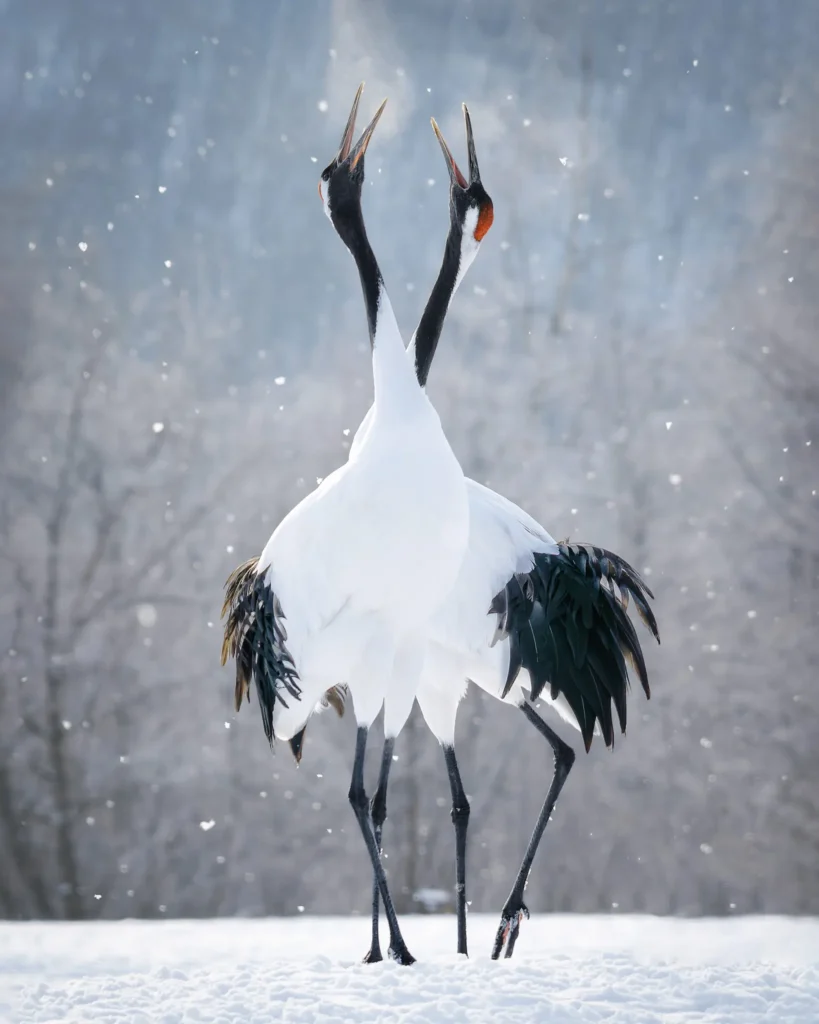
The Kushiro Wetlands (Kushiro Marsh) are also worth exploring. There are backroads that lead into the wetlands, and when I visited in winter I found eagles perched in trees and some interesting, quiet landscapes.
If you want a more detailed breakdown of where to go and what to expect, I’ve written a full guide to photographing red-crowned cranes and wildlife in Kushiro and Tsurui here: A Winter Photography Guide to Kushiro
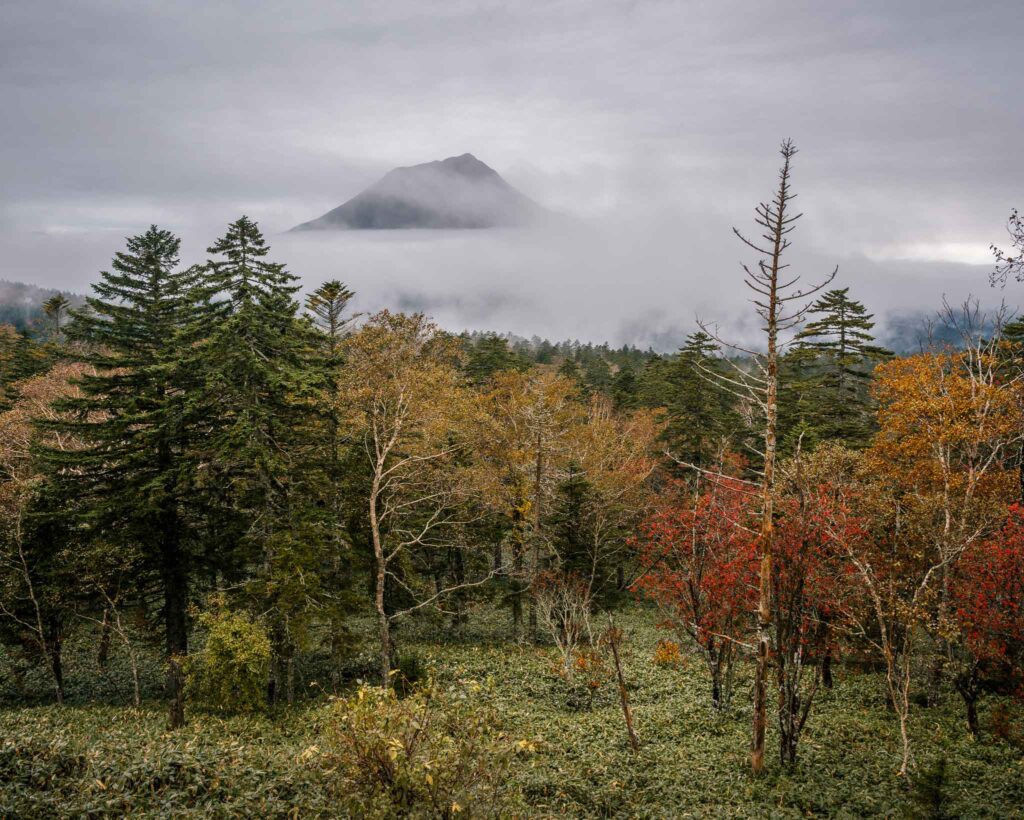
Around Lake Akan, it’s not just one location but a whole area (Akan-Mashu National Park), including Lake Kussharo and Lake Mashu, which makes it a good base rather than just a stop. In winter, whooper swans gather on the lakes, often with steam rising off the water, which can be surprisingly photogenic and much quieter than the crane spots around Tsurui. The landscape here feels more subtle—volcanic terrain, low cloud, and layered forests rather than obvious compositions—but that’s part of the appeal. It’s a good place to slow down and explore, especially if you want a mix of wildlife and landscape rather than focusing on one subject.
Shiretoko: Drift Ice & Wildlife Photography
Further east, Shiretoko Peninsula feels different.
It’s more remote, more exposed, and more dependent on conditions—but that’s exactly what makes it one of the most rewarding places for wildlife photography in Hokkaido.
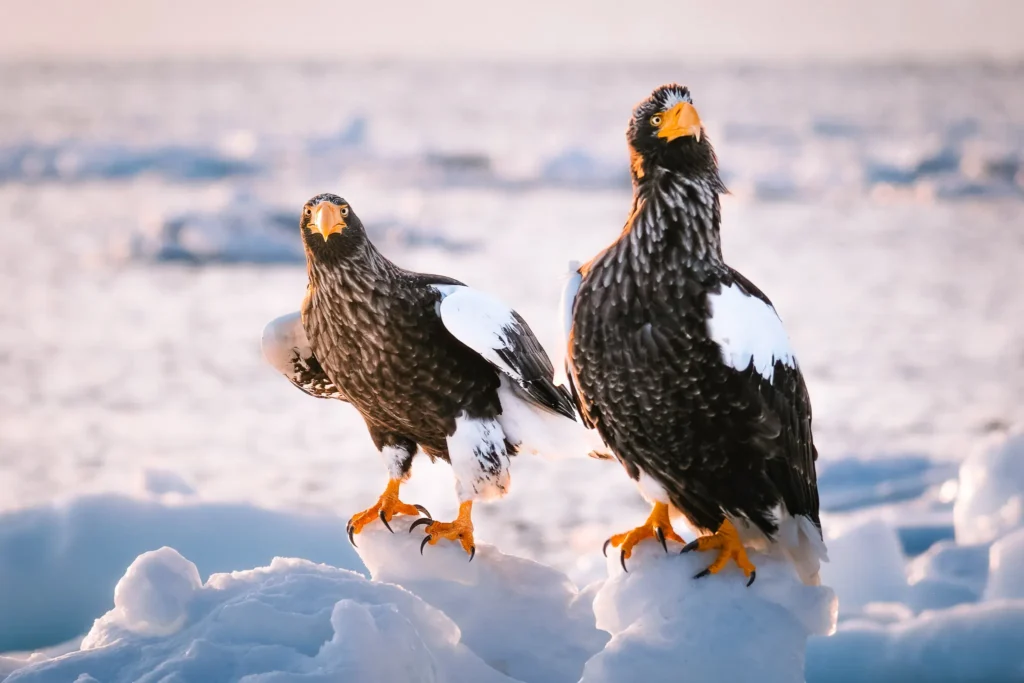
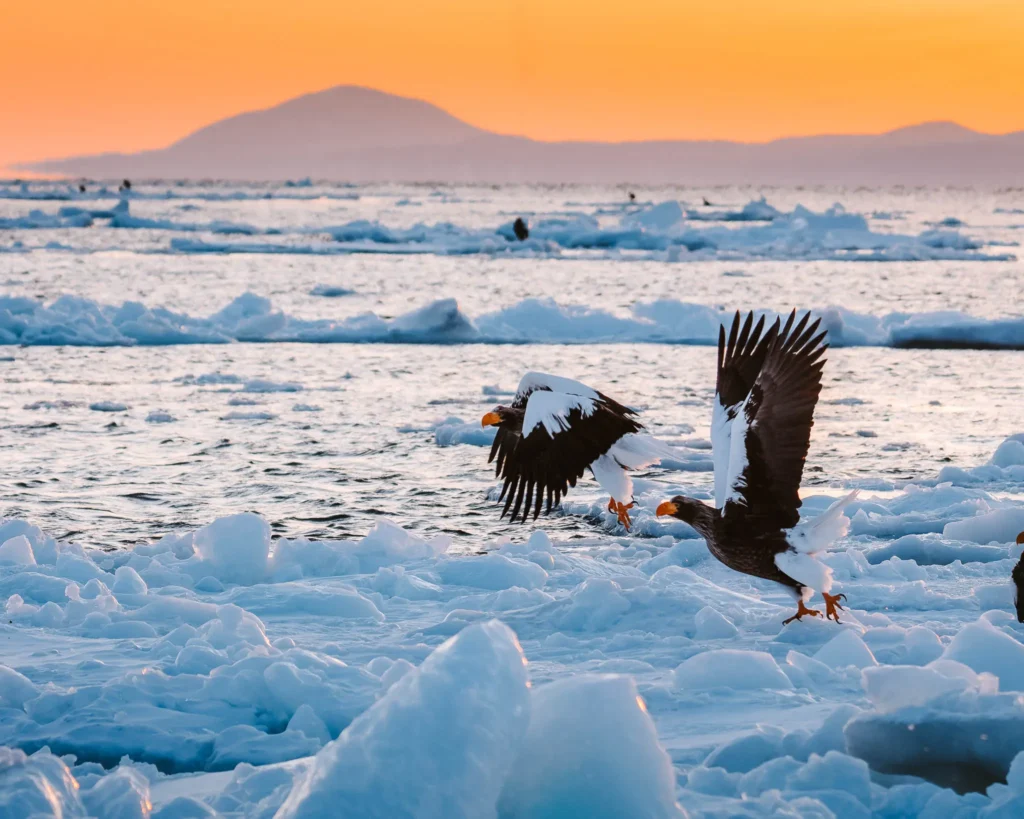
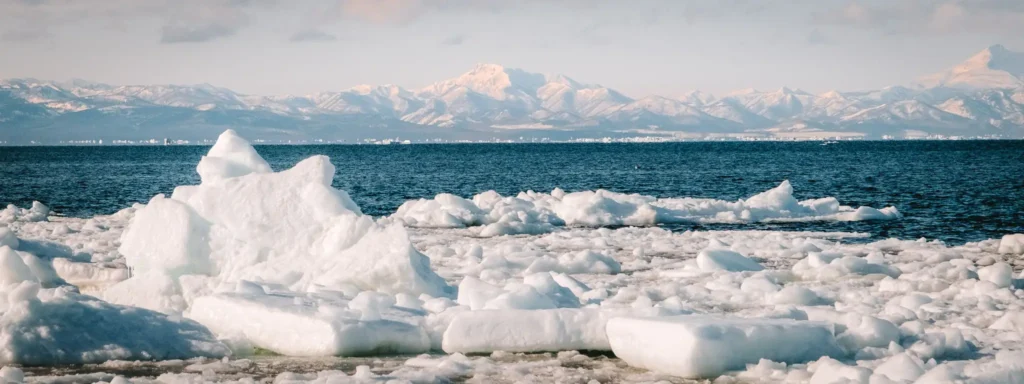
In winter, this is where you’ll find drift ice and large numbers of Steller’s sea eagles and white-tailed eagles. You can go out on boats into the drift ice at sunrise, which is one of the most unique wildlife photography experiences in Japan.
If you’re planning this, I’ve written a detailed guide on how to photograph Steller’s sea eagles in Rausu here:
How to Photograph Steller’s Sea Eagles in Hokkaido’s Rausu
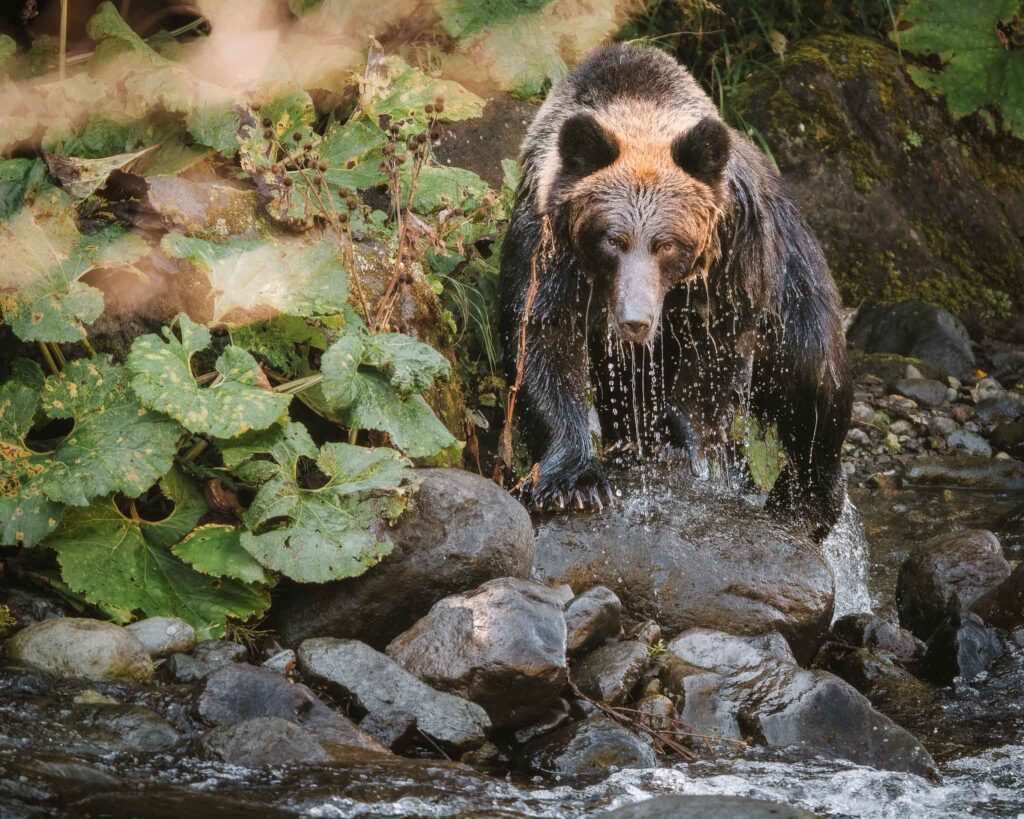
In autumn, it’s also one of the best places to see Ezo brown bears. Boat trips from Utoro often give a good chance of sightings, but if you explore on land you need to be careful—this is real bear territory, and it’s important to avoid disturbing them.
I wrote more about this in my guide to photographing Ezo brown bears in Hokkaido here:
Ezo Brown Bear Photography in Hokkaido
The peninsula itself is also strong for landscape photography, especially if you explore away from the obvious viewpoints.
This isn’t somewhere I’d rush. If I was going all the way out here, I’d stay a few days and work with the conditions.
Notsuke Peninsula: Minimal Landscapes & Wildlife
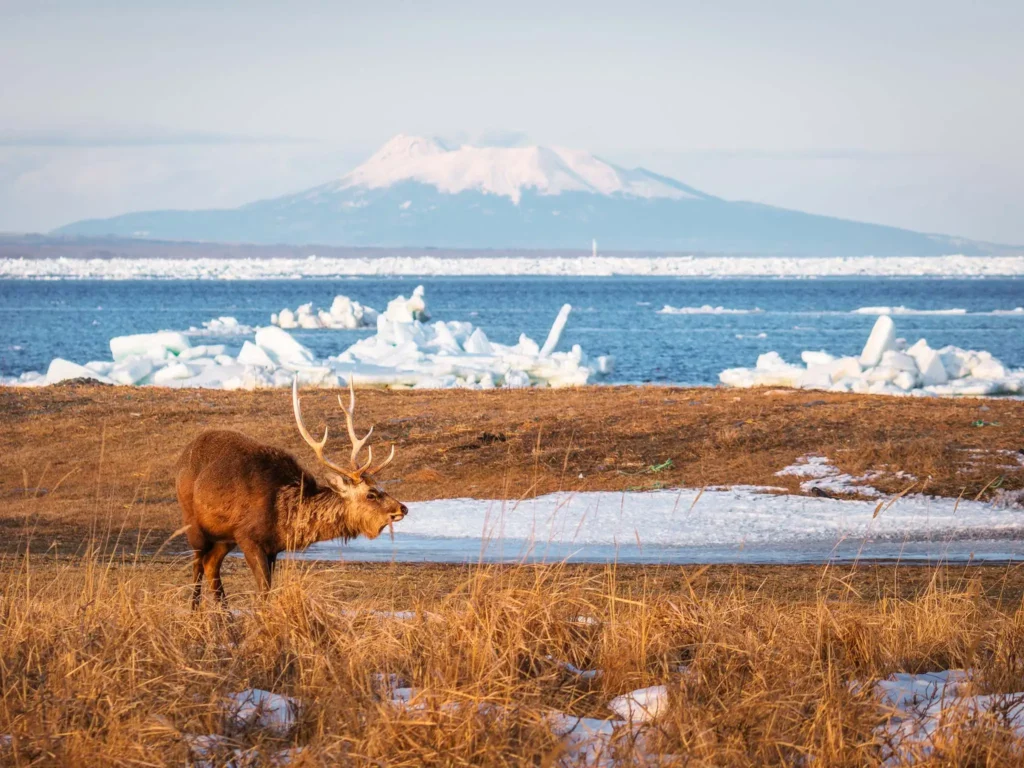
Notsuke Peninsula is one of Japan’s largest sand spits, just south of Shiretoko.
That exposed, shifting landscape gives it a unique, windswept feel that works well for minimalist landscape photography.
I went in winter, when the ghost forest created simple, quiet scenes. Wildlife was everywhere—deer and foxes moving across the snow—and along the outer beach there were old fishing shacks and boats sitting against drifting sea ice.
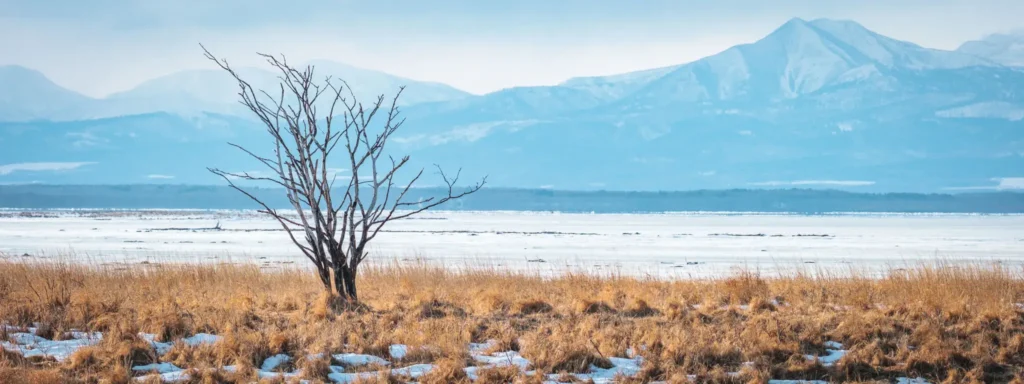
On the inner side, the water is calmer and often frozen, with people out ice fishing.
If you want a more detailed look at what makes this area special, I wrote a full Notsuke Peninsula photography guide here:
https://blog.brendanreevesphotography.com/the-notsuke-peninsula-a-photographers-dream-in-eastern-hokkaido/
It’s a place that feels open and slightly harsh, which suits a more minimal style of shooting.
Daisetsuzan: Landscape Photography & Adventure
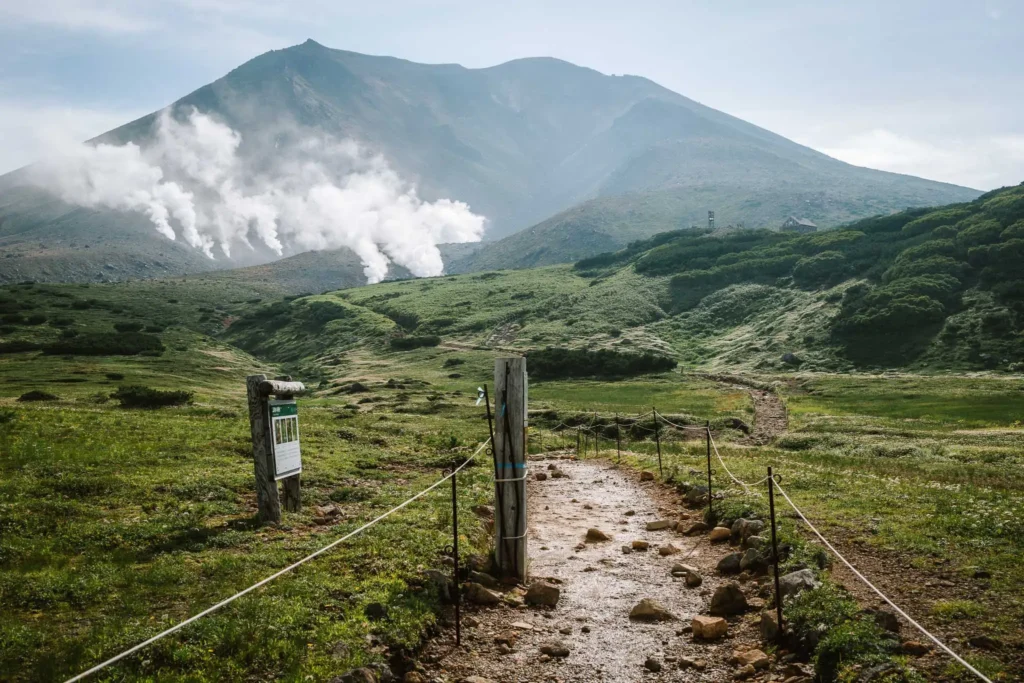
Daisetsuzan National Park is the largest national park in Hokkaido and home to its biggest mountains and volcanoes.
If I was prioritising landscape photography, this is one of the main areas I’d focus on.
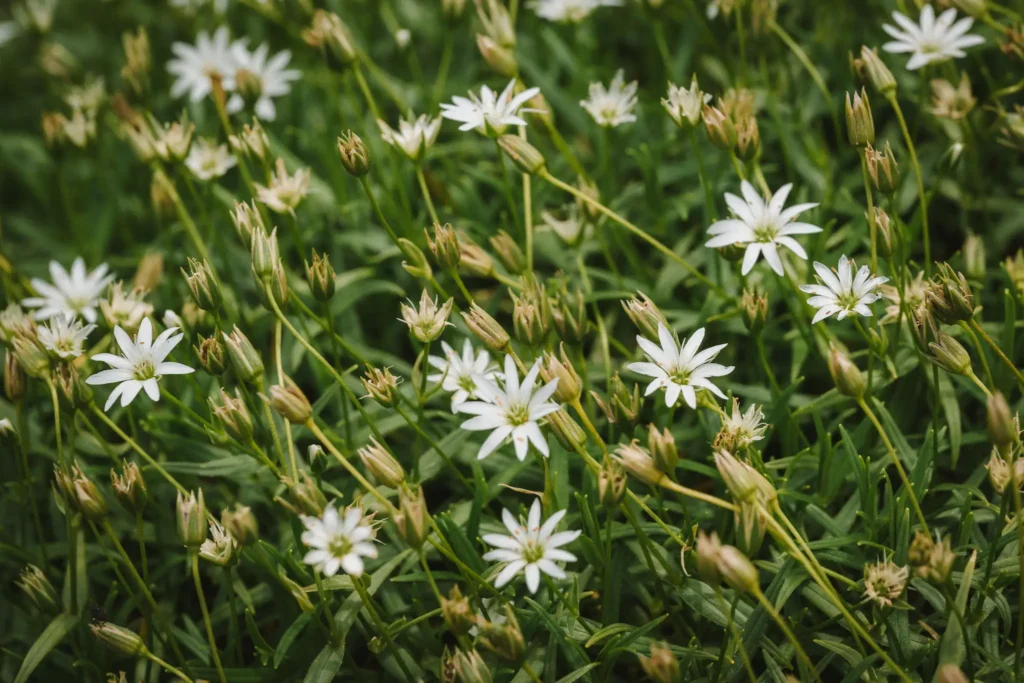
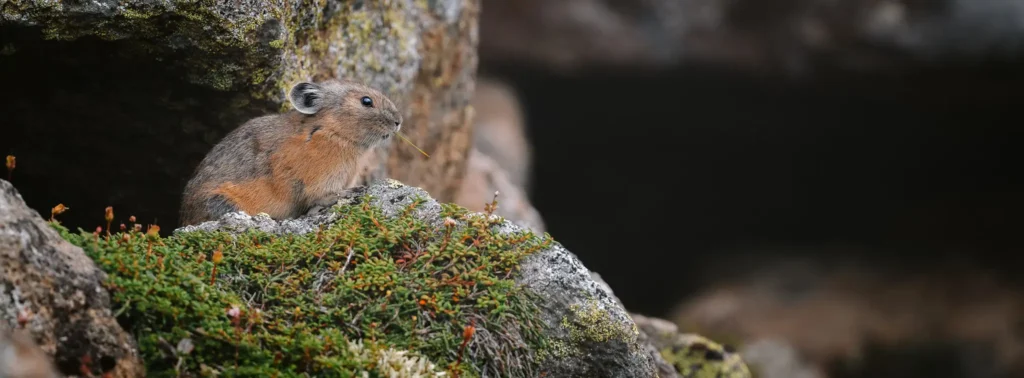
In summer, when the snow melts, the alpine areas are full of flowers, butterflies, and the high-pitched calls of pika. You can take a cable car up Mount Asahidake and continue hiking into the mountains.
For something more remote, the Tokachi range offers a more backcountry feel. I’ve been here in winter on skis and in summer on foot—both are great, but in winter it’s serious avalanche terrain and needs proper experience.
Between Furano-dake and Tokachi-dake there’s a shelter you can stay in, and the views from the ridges are huge—especially at sunrise.
From Kurodake, walking across to the Ohachi crater is also worth the effort, and if you’re lucky you might spot a pika like I did.
If you want a more detailed breakdown of the area, I wrote a full Daisetsuzan National Park photography guide here:
Summer in Daisetsuzan National Park
It’s more effort than many other locations in Hokkaido, but that’s also what makes it more rewarding.
Quieter Landscapes: Hakodate & Lake Onuma
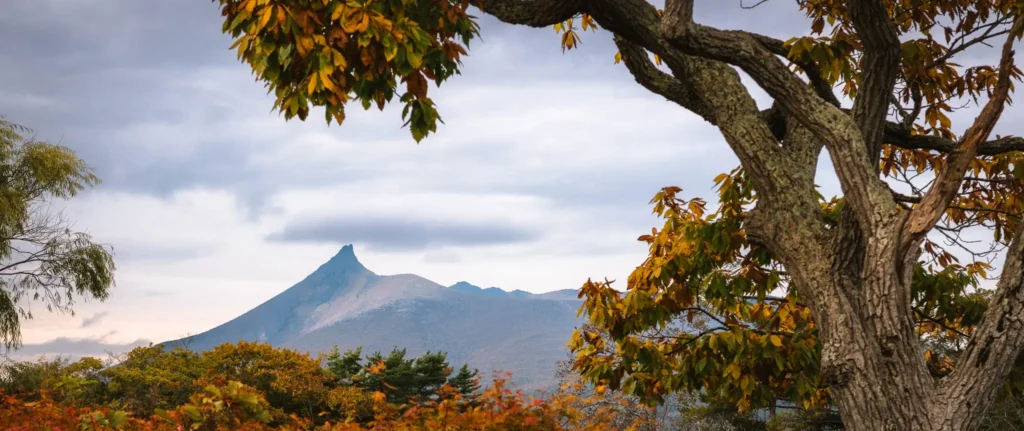
Lake Onuma with Mount Komagatake behind it makes for a strong landscape photography location.
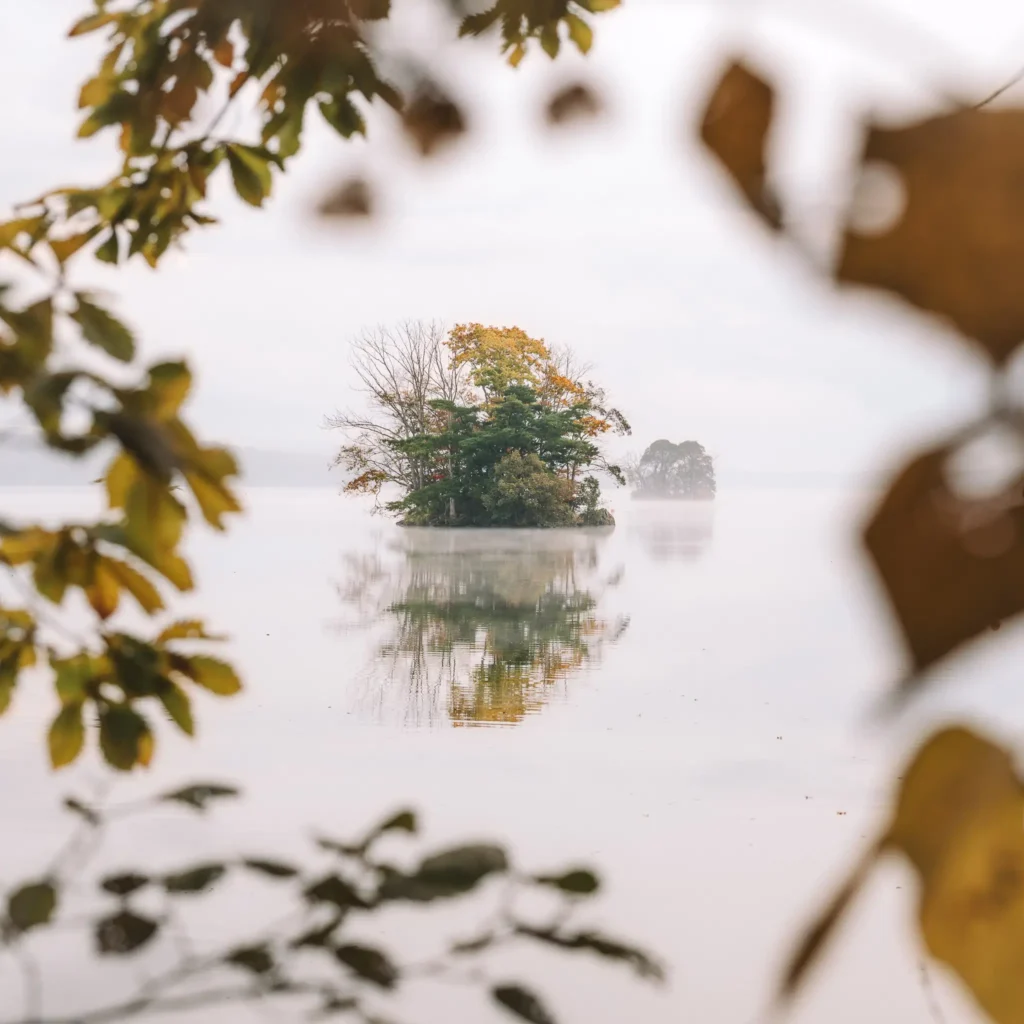
The lake is scattered with small forested islands, creating natural layers and compositions—especially when mist moves across the water.
I’ve spent time here in summer and autumn. Autumn is definitely the best—fewer insects, cooler air, and strong colour in the trees.
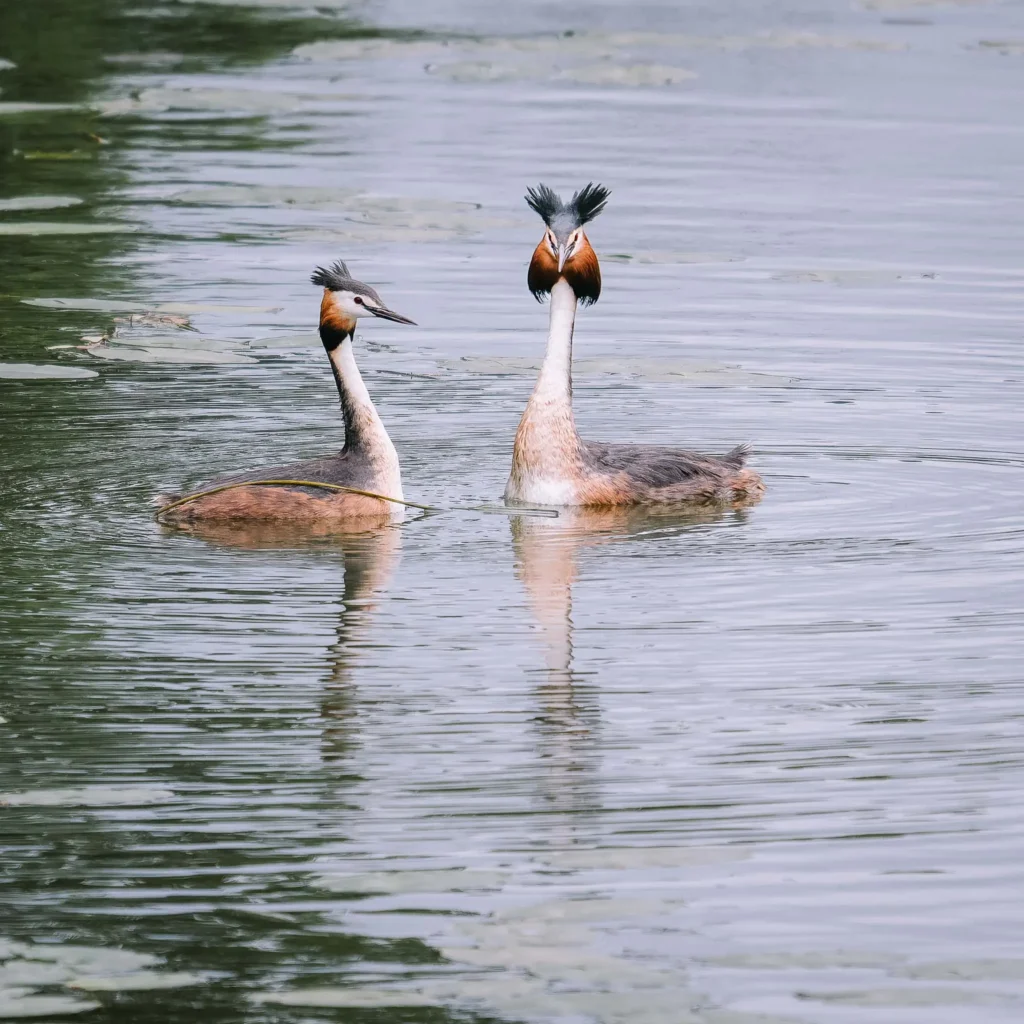
It’s also a good spot for wildlife photography. Birds like grebes and ducks are common, and occasionally eagles pass through.
If you want more detail on locations and conditions, I wrote a Lake Onuma photography guide here:
Lake Onuma Photography Guide
I haven’t been here in winter yet, but it’s high on my list. Snow and mist would completely change the feel of the place.
How I’d Approach the Trip
Rather than planning every day, I’d keep things flexible and work with the conditions—especially in winter.
If I had 7–10 days, I’d:
- focus on eastern Hokkaido (Tsurui / Shiretoko) for wildlife and landscapes
- then head to one or two other areas depending on weather and conditions
If I had less time, I’d choose one region and commit to it.
When to Go
Winter is easily the strongest season for photography in Hokkaido.
Snow simplifies the landscape, wildlife is easier to find, and conditions can be consistently good if you’re prepared for the cold.
Autumn is also strong—good colour, fewer insects, and different wildlife opportunities.
Summer, in my experience, is the weakest season overall, but Daisetsuzan is good at this time for alpine landscapes and hiking photography.
Final Thoughts
If I was planning a photography trip to Hokkaido, I’d prioritise time over distance.
Fewer locations, more time in each place, and a willingness to return to the same spot more than once. That’s usually when the better images happen.
One thing I found over time is that it’s not always obvious where to go. A lot of the best locations aren’t well marked, and figuring it out can take time—especially if you’re only here for a short trip.
That’s exactly why I put together my Hokkaido Nature Photography Map.
It’s based on places I’ve personally explored and returned to over multiple seasons, with notes on access, conditions, and what actually works for photography—not just a list of tourist spots.
If you’re planning a trip like this and want to make the most of your time, you can check it out here:
Hokkaido Nature Photography Map & Guide
It won’t replace time in the field, but it should give you a much better starting point.