
Wildlife and Nature Photography Near Sapporo
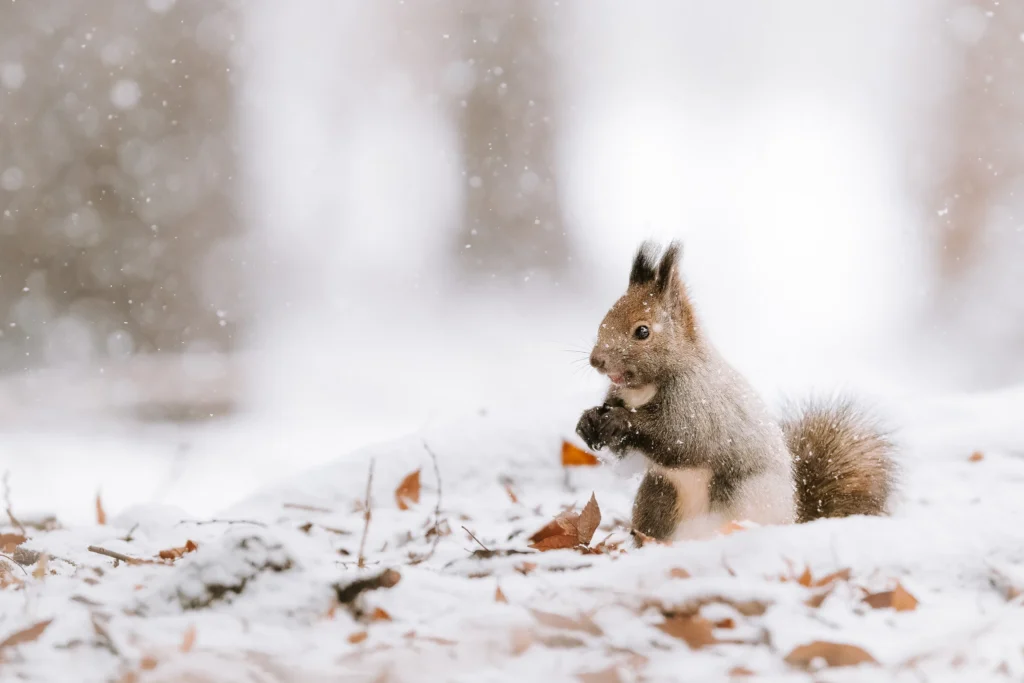
Sapporo is often seen as a base for travelling elsewhere in Hokkaido — a city you pass through on the way to mountains, wetlands, or more remote wildlife destinations. Even short visits can offer real opportunities for wildlife and nature photography near Sapporo, without needing to travel far from the city. But even if you never leave the city limits, Sapporo offers far more opportunities for nature and wildlife photography than most people expect.
Large forest parks, shrine grounds, wetlands, and green corridors run through and around the city, creating connected pockets of habitat rather than isolated fragments. Because these areas are visited daily by people walking, jogging, or commuting, many animals become accustomed to neutral human presence. For a photographer, this can make encounters more natural and less rushed than in quieter places where animals are startled by every movement.
Wildlife photography around Sapporo isn’t about ticking species off a list or finding guaranteed sightings. It’s about returning to the same places, learning their rhythms, and noticing how animals use the landscape through different seasons. Even on a short visit, slowing down and spending time in just one or two green spaces can be enough to see far more than you might expect.
Hokkaido is best known for its iconic wildlife — red-crowned cranes, Steller’s sea eagles, and brown bears — which usually require dedicated trips to specific regions. I’ve written about photographing those species separately, but this post focuses on the wildlife and nature photography opportunities closer to Sapporo.
Hokkaido Jingu and Maruyama Forest (Ezo Squirrels)
Hokkaido Jingu sits within Maruyama Park and is one of Sapporo’s most atmospheric places to visit, especially outside peak festival seasons. The shrine is surrounded by mature forest that feels surprisingly quiet given how close it is to the city, and that forest supports a wide range of birdlife throughout the year.
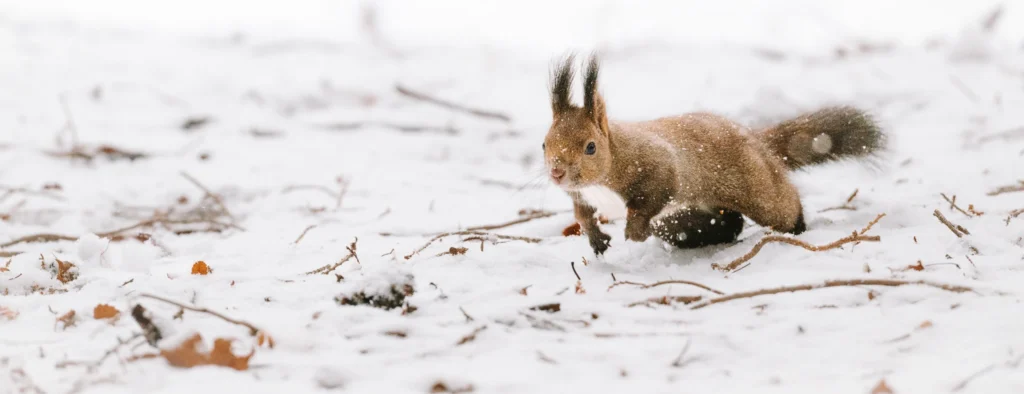
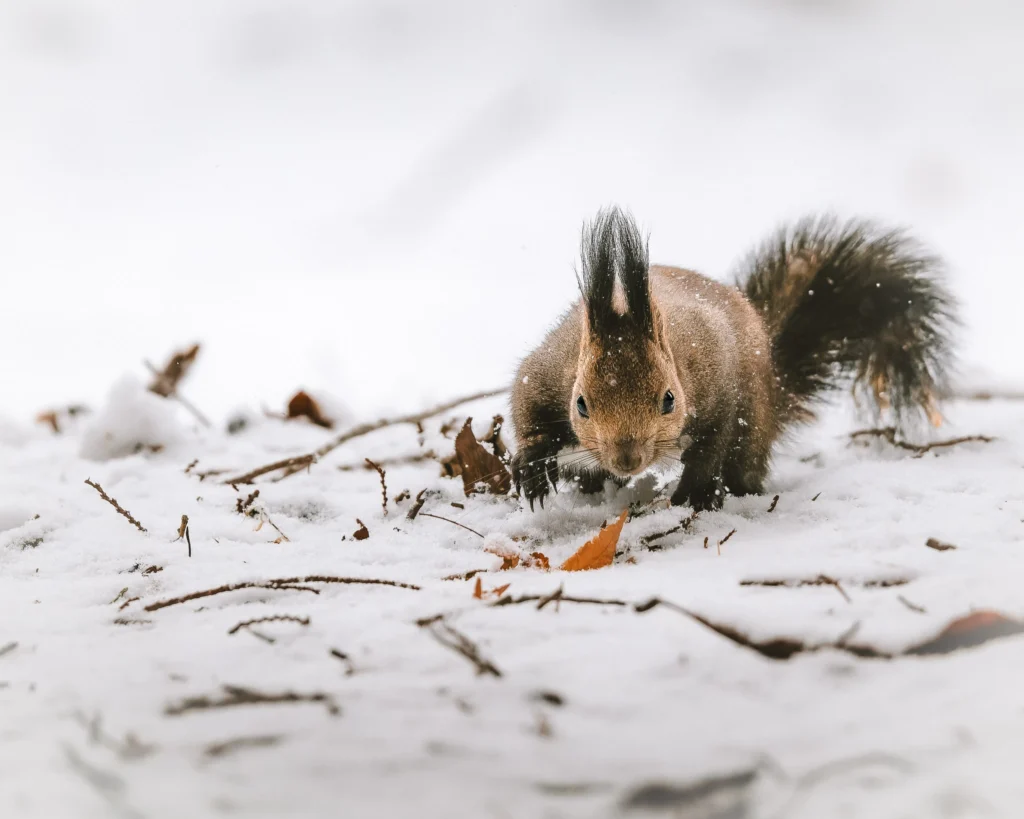
The animal I’ve seen most consistently here is the Ezo squirrel. This species is found only in Hokkaido and is slightly larger and stockier than the red squirrels found elsewhere in Japan. They’re fast, alert, and constantly in motion — chasing each other through the trees, digging for cached food, and darting across open ground before disappearing again.
Some of my favourite images here were taken in late autumn, during the first snowfalls of the season. Fallen leaves still cover the ground, the forest hasn’t fully settled into winter, and the snow helps simplify the background without overwhelming the scene. That short transition period can be visually rewarding, but it doesn’t last long.
I’ve usually worked here with a longer zoom like my z180-600, keeping distance and letting the squirrels move naturally through the frame rather than trying to get close.
Makomanai Park (Black Woodpeckers)
Makomanai Park is a large forest park on the southern edge of Sapporo. It feels more open and less managed than some of the central parks, with long paths, mature trees, and enough space that wildlife doesn’t feel tightly constrained.
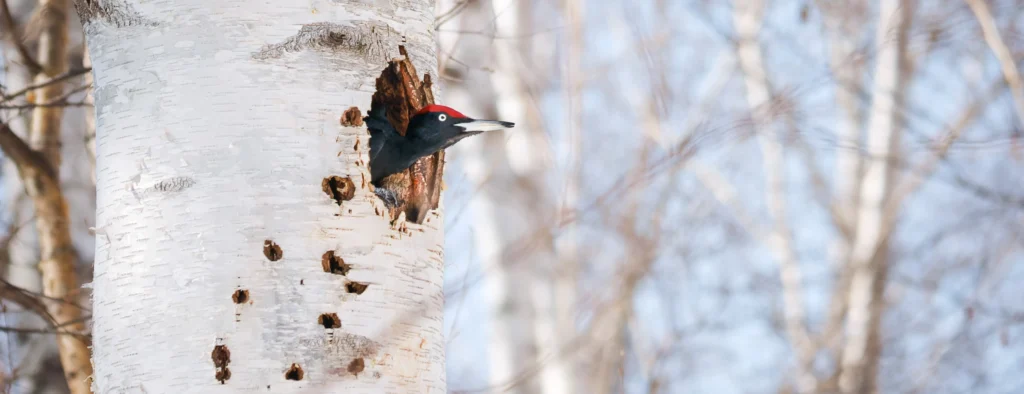
The most memorable animals I’ve photographed here are black woodpeckers. They’re Japan’s largest woodpecker and aren’t especially common across the country, as they rely on large tracts of mature forest. Because of that, many people in Japan never see one in their lifetime, even though they live here.
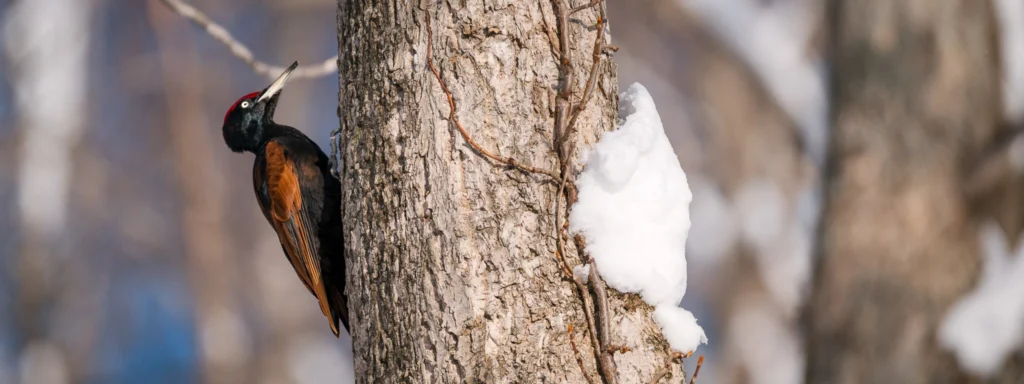
What surprised me most was how unconcerned they were with people. As long as nobody interfered, they seemed happy to carry on with their routines — moving between trees, calling loudly, and hammering at trunks. I spent several afternoons watching them appear, disappear, then re-emerge nearby, often poking their heads out briefly before flying off again.
They’re visually striking birds, but also slightly awkward in how they move. There’s something both imposing and a bit clumsy about them, which makes them interesting subjects beyond just being “rare”. Photographing them here felt less like chasing a subject and more like being allowed to observe something normally associated with much wilder places.
Makomanai isn’t somewhere I expect to see them every visit, but it’s a place where I’ve had repeated encounters over time — which, for wildlife photography, matters far more than a single lucky sighting.
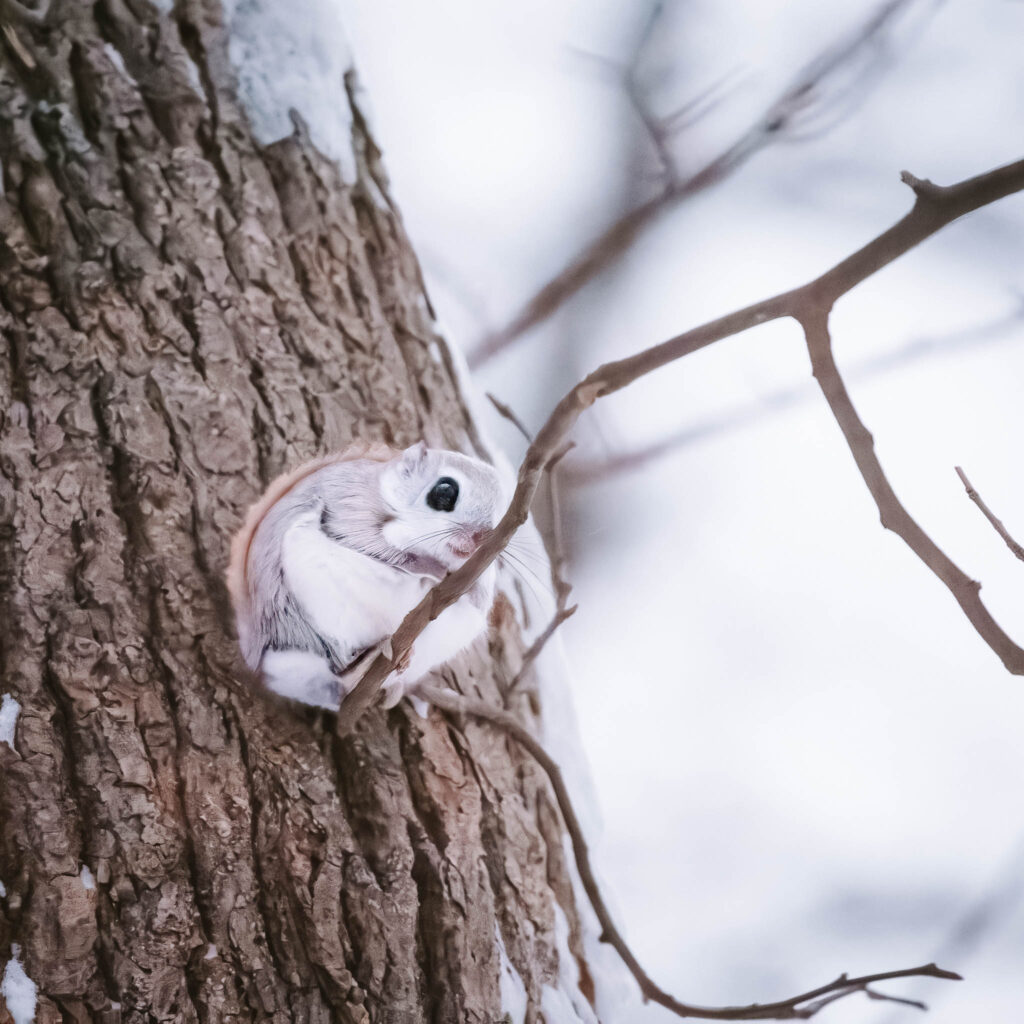
Forest Edges Near Futomi (Flying Squirrels / Momonga)
On the outskirts of Sapporo, near residential areas and small forest windbreaks, I’ve had a few encounters with Hokkaido’s flying squirrels, known locally as momonga. These animals are found in northern Japan and parts of Hokkaido and are strictly nocturnal, which immediately makes them some of the hardest mammals to photograph.
During the day they remain hidden inside tree cavities. In winter, however, there’s sometimes a short window about an hour before sunset when they briefly poke their heads out of their nest holes. Often this is just long enough for them to relieve themselves before retreating back inside. It sounds unglamorous, but for photographers it’s one of the few chances to see them in usable light.
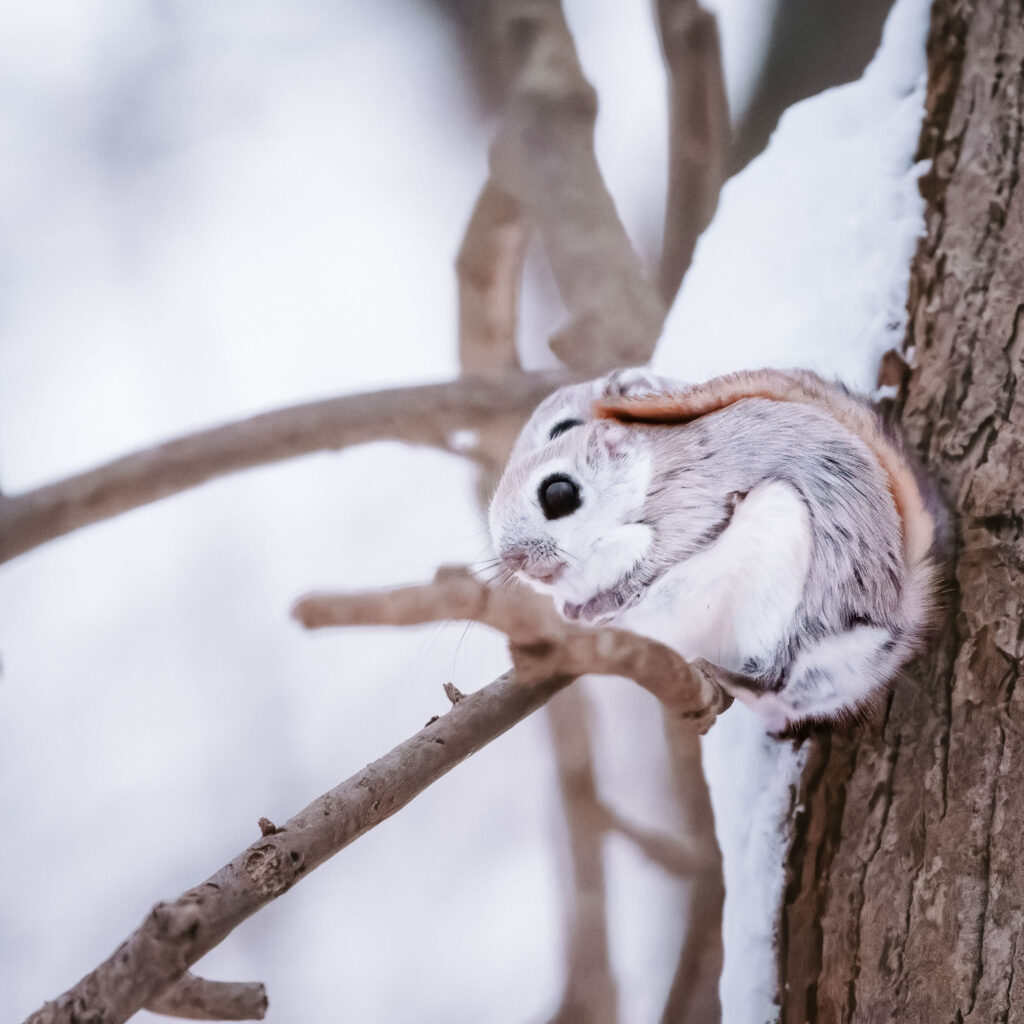
Just after sunset, they may emerge properly and begin gliding between trees. At that point, light levels drop extremely fast. I don’t use flash — even though it might make flight shots technically possible — so photographing them in motion becomes very difficult. Freezing a glide without artificial light is close to impossible in most conditions.
Most of the images I’ve made of them so far are only average, and I’m fine with that. Seeing them at all feels like a privilege. I plan to return, ideally to get a cleaner image of one peeking out from its nest hole before dark rather than trying to chase flight shots.
For this kind of work, lens choice matters more than reach. I’ve found a faster prime more useful than a long variable-aperture zoom once the light fades, even if that means giving up some magnification.
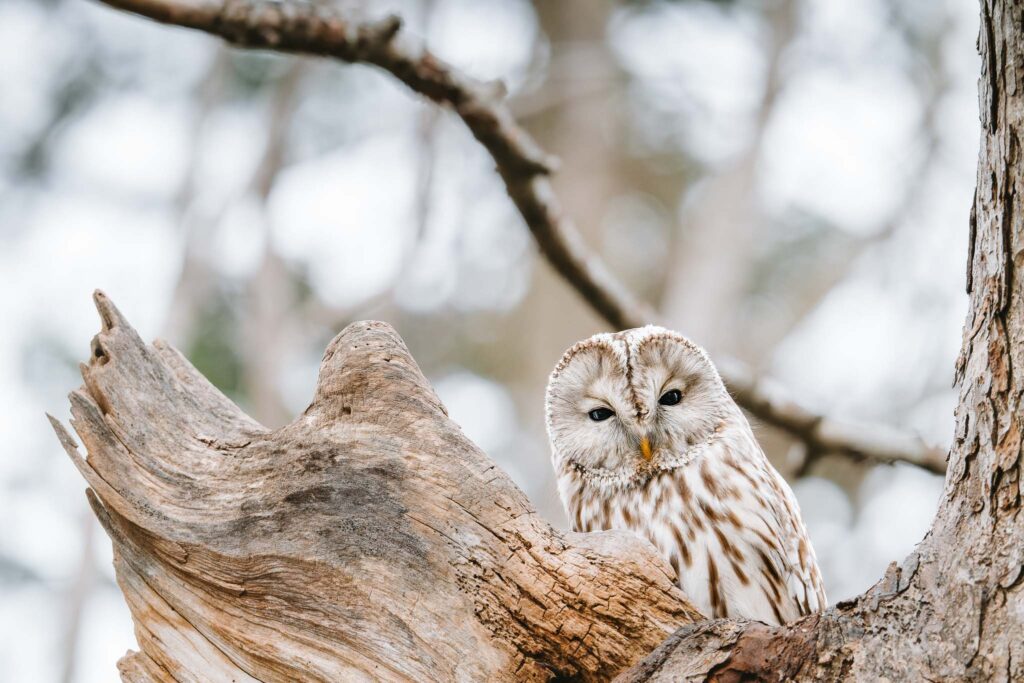
Nopporo Forest Park (Ezo Owls)
Nopporo Forest Park sits right on the edge of Sapporo, but once you’re inside it feels vast. Old forest, wide trails, and long stretches without buildings make it easy to forget how close you are to the city. It’s one of the best examples of how large green spaces can support wildlife even in heavily populated areas.
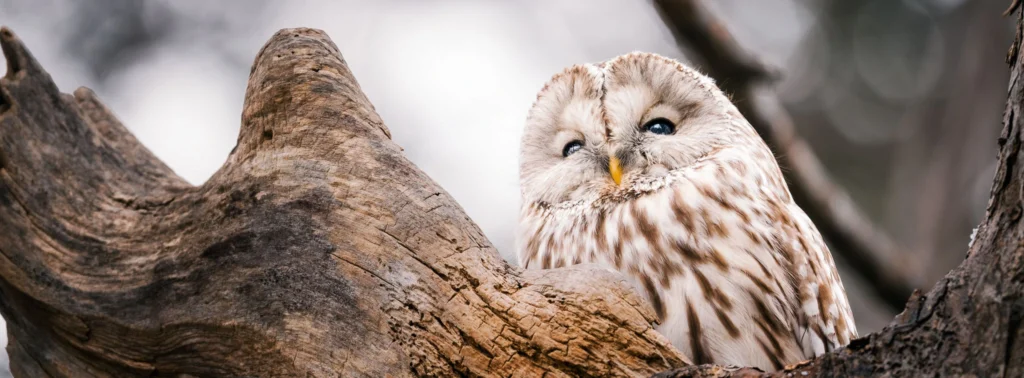
This is where I’ve had my most consistent encounters with the Ezo owl. The Ezo owl is a subspecies of the Ural owl and is found only in Hokkaido. It’s a large, pale owl with a calm, almost thoughtful expression, and seeing one in daylight feels surprisingly intimate.
Finding them here hasn’t been about luck so much as time. Wandering slowly, listening, and occasionally speaking with locals passing by — using my very limited Japanese — eventually led me to areas where owls had been seen before. When I’ve found them, they’ve usually been perched quietly, watching from above rather than moving around.
Photographing them has been more about restraint than action. I haven’t managed any flight shots of owls anywhere yet — here or elsewhere. Every encounter so far has involved birds that stayed still far longer than I had light or time available. I’d love to photograph one in flight someday, but I’m not in a rush. Sitting beneath an owl as it watches the forest below is already enough to make the visit worthwhile.
What makes Nopporo special isn’t that owls are easy to find — they aren’t — but that the park is large enough, quiet enough, and familiar enough to them that encounters can happen without disturbance. It’s a place that rewards patience and repeat visits, which suits this kind of photography perfectly.
A Pattern Worth Paying Attention To
What these places have in common isn’t how rare the animals are, but how familiar they are with neutral human presence. In parks and forests where people pass through regularly without causing harm, animals often behave more predictably and with less stress.
For photography, this means learning places rather than chasing moments. Returning to the same areas, noticing seasonal changes, and accepting that many visits will produce nothing at all is often what leads to the most meaningful encounters.
Conclusion
Sapporo is far better placed for nature photography than many people expect. From shrine forests and urban parks to wetlands and forest edges, there are real opportunities to observe and photograph wildlife without travelling far — as long as you’re patient and respectful.
The locations mentioned here are only a small part of what’s available. I keep track of places I’ve photographed across Hokkaido — for both landscape and wildlife photography — in my Hokkaido Nature Photography Map. It’s a working map I use to plan trips and return to places over time, rather than a checklist of guaranteed sightings.
If you’re interested in exploring Sapporo or the wider Hokkaido area with a camera, you can browse more posts on the blog or sign up to the newsletter for future updates.