
How I Work as a Photographer With ADHD: One Year of Hard Lessons and Small Wins
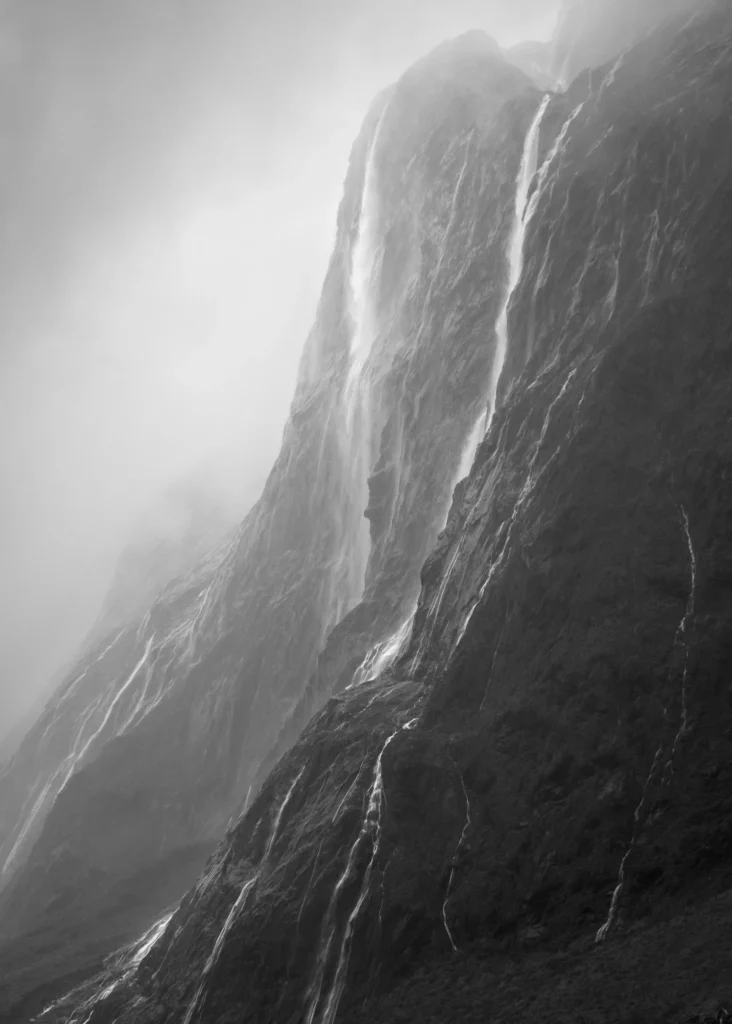
It’s been one year since my ADHD diagnosis, and in that time I’ve realised something important: I don’t want to build a photography business shooting things I don’t care about. Nature is what inspires me. It’s where my brain settles, where I actually feel present, and where my best work happens.
I want to share that with others — not just beautiful images, but the feeling of quiet connection that comes with standing in front of something bigger than yourself. If my work can help even a few people appreciate nature more, and maybe treat it better, then it’s worth doing.
I’m still figuring out what it means to be an ADHD photographer and how to build a business that actually fits my brain.
Trying to build that kind of business with ADHD has been a challenge. Here’s what I’ve learned in the process.
1. The Hardest Part: Starting Anything at All
For me, the biggest ADHD issue isn’t finishing work — it’s starting it.
I’ll be driving somewhere random, or stuck doing a boring job, dreaming up amazing ideas for my business. Blog posts I’ll write. Prints I’ll make. Projects I’ll start. Everything feels possible.
Then I get home, sit at the computer… and it’s like the ideas never existed.
Motivation gone.
Can’t remember what I was excited about.
Brain says: Let’s play computer games instead.
Or I suddenly want to run out the door to photograph foxes or snow-covered trees, and ten minutes later I’m out in the field… realising I forgot my battery, or SD cards, or did zero planning and have no idea where to go.
This used to drive me insane.
Eventually I realised it wasn’t laziness — it was ADHD avoidance. I wrote more about that discovery in this earlier post: Photography, ADHD, and the Fight to Make It Happen.
I procrastinate most on things I:
- think will be tricky
- don’t fully understand
- don’t know how to start
- or fear I’ll look stupid doing
Once I accepted that, a few simple tools started helping.
The 5-Minute Rule
I tell myself: Just do 5 minutes. If it still sucks, stop. But 90% of the time, once the brain kicks in, I don’t want to stop.
Modified Pomodoros
Pomodoros are basically a simple work/break timer system: set a timer → work for a short burst → then take a short break.
The classic version is 25 minutes work + 5 minutes break, but I’ve learned that doesn’t work for my ADHD brain — at least not at first.
So I changed it.
I start tiny: 15 minutes of work → 5 minutes break. Fifteen minutes feels small enough that my brain doesn’t reject it.
But here’s the rules that actually makes it work:
- No screens during the break.
- No phone.
- No computer.
- No “just checking something.” Nothing that hijacks my attention and derails the session.
Instead, I look out the window, stand up, stretch, drink water, stare at one of my prints on the wall — anything boring and low-stimulation. It’s basically torture for an ADHD brain, but that’s the point.
The breaks are meant to give your brain a little rest without pulling you into a distraction rabbit hole.
And the way my brain reacts is interesting:
once I get into a work rhythm, the timer going off actually annoys me. I don’t want to stop.
That irritation is useful. It keeps the momentum going.
If I try to work straight through without breaks, I burn out faster and lose focus. But with forced mini-breaks, I can stay hyperfocused for much longer without mentally crashing.
It’s strange, but it works.
Brutal Exposure Therapy
Put the work out. Let my peers see it. Let people judge or not judge. Most of the time people are supportive. The negative reactions I imagine don’t happen. And if they did… it would probably say more about them than me.
2. Perfectionism: The Mask Behind “Rushing” and Being Careless
For most of my life, I’ve been known as the guy who rushes. The one who forgets things. The one who doesn’t plan properly, makes mistakes, and always looks a bit unorganised.
And honestly — that reputation isn’t completely wrong.
So for years I assumed I was the opposite of a perfectionist. I thought perfectionism was something careful, meticulous people struggled with… not someone like me who’s always in a hurry and dropping the ball.
But when I got deeper into photography, I realised something that actually shocked me:
I am a perfectionist — in the things that matter to me.
And that perfectionism slows me down more than anything.
I’ll spend hours on a single image, adjusting tiny details no one else will ever notice. Not because the photo isn’t good, but because I don’t want it to look sloppy. I don’t want people to look at my work and think: “Yep, that’s Brendan — rushed again, didn’t think it through.”
hat fear — of reinforcing the image that I’m careless — pushes me to re-edit, over-edit, tweak endlessly, and sometimes freeze completely.
I publish a photo, notice something small I don’t like, panic, take it down, re-edit it, apologise to the client…
And most of the time the client just laughs and says: “What mistake? It looks great.”
Sometimes the imperfection actually makes the photo feel more human. But my brain doesn’t believe that while I’m in the middle of obsessing over it.
Video is even worse. A simple YouTube edit that should take a day turns into weeks or months because I can’t make peace with it being “good enough.” I cringe at myself on camera but also weirdly enjoy filming — the perfect ADHD contradiction.
Discovering that I do have perfectionism — hidden under years of looking messy and chaotic — was honestly surprising. And accepting it has helped me understand why certain tasks feel impossible and why small details can trap me for hours.
It’s not about the edit.
It’s about fear.
So now I’m trying to fight it by setting limits: one edit session, one revision, post it, move on. No endless tweaking. It still feels wrong and uncomfortable, but it’s the only way I can stop perfectionism from eating days of my life.
3. Decision Paralysis: The Silent Work Killer
ADHD makes small decisions feel like life-or-death choices.
- What paper should I use?
- Which layout should I put on this page?
- Should I go to this location or that one?
- Should I publish this blog now or tomorrow?
- Should I re-edit the photo just one more time?
Each decision can take forever — or stop me completely.
This is the part of ADHD that slows my business the most. Not the photography. Not the creativity. The constant tiny choices.
What helps is limiting myself to two choices instead of twenty, and giving myself default settings so I’m not re-deciding things all day. My brain cannot be trusted with endless options.
Planning the day or week ahead of time helps too — because deciding in the moment is impossible. If the plan already exists, I just follow it like a robot. Perfect.
I still struggle to write the plan, though. My ADHD brain hates that step. Work in progress.
4. The ADHD Traits That Actually Help My Photography
A lot of people only hear about the negative sides of ADHD — procrastination, forgetfulness, distraction.
But ADHD also comes with traits that genuinely help in creative work. Here’s how they show up in my photography:
Hyperfocus once something finally grabs my attention
People think ADHD means being unable to focus. But the reality is different:
But the reality is different — ADHD includes something called hyperfocus, which is basically the opposite.
Once something becomes interesting or stimulating, ADHD brains can focus way harder than “normal” brains.
For me, that moment is usually the first good photo of the day. After that:
- everything sharpens
- I become absorbed in the scene
- I can wait longer for wildlife
- I notice micro-changes in light
- I stop feeling tired or bored
It’s the closest thing to a superpower ADHD has.
Sensitivity = emotional, moody images
ADHD nervous systems tend to be more sensitive — to light, sound, emotion, environment, mood.
That sensitivity is uncomfortable in normal life… but in photography, it lets me feel the scene deeply.
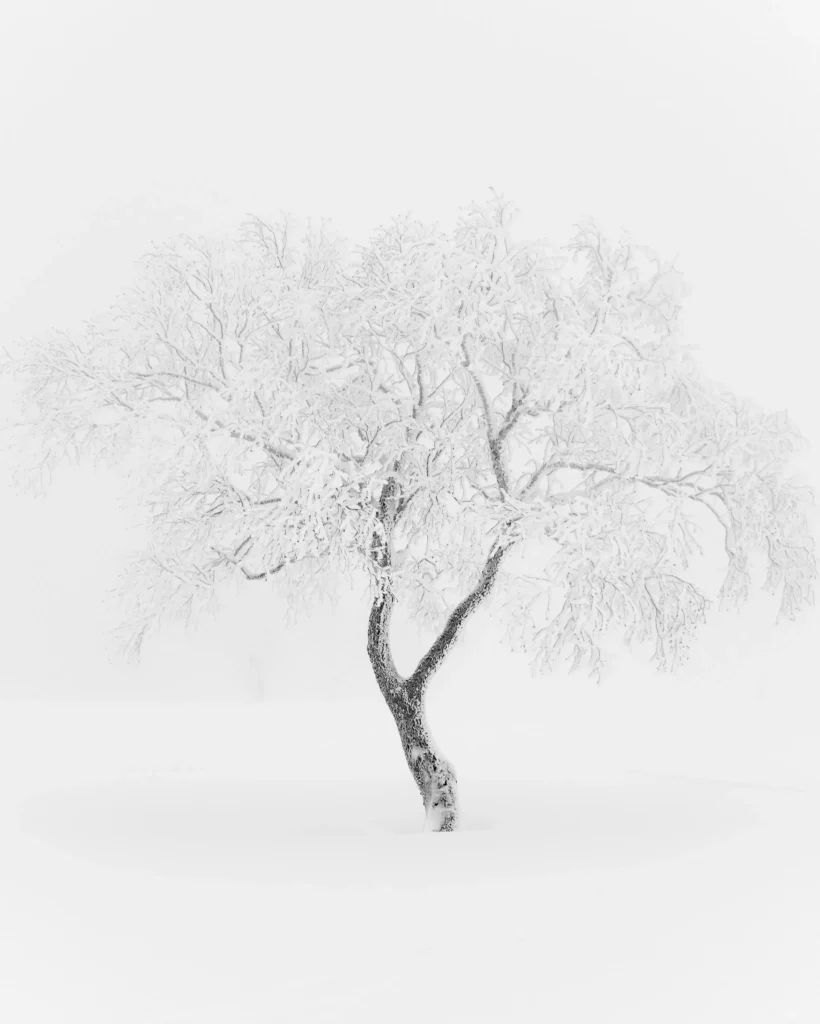
Fog, snow, stillness, atmosphere — I don’t just see them, I feel them. I talked more about that experience in my post: Photography as Meditation — How It Helps Calm the Mind
That emotion comes through in the images.
Someone without ADHD might look at a forest and think: “nice trees.” I look at it and feel calm, awe, melancholy, peace — whatever’s there.
That’s why my favourite shots aren’t technically complex — they’re emotional.
Novelty-seeking = noticing things others walk past
ADHD brains are wired for novelty. We scan constantly for something interesting or unusual — because novelty gives dopamine.
This makes me naturally notice:
- small patterns in chaos
- unexpected angles
- subtle wildlife movement
- shifts in wind or light
- things other people filter out
People without ADHD often “tune out” visual information. ADHD brains tune in — constantly.
It’s not magic. It’s how ADHD attention works.
Curiosity + restlessness gets me outside
Most people procrastinate by doing nothing. ADHD procrastination looks different — we seek stimulation.
For me, that means I randomly go shoot:
- foxes
- snow-covered trees
- misty rivers
- sunsets
- forests
- deer
- whatever feels exciting
Yes, it’s avoidance…
but it gets me out shooting far more often than a “disciplined routine” ever would.
This leads to more photos, more content, more practice.
Obsessive interests → deep mastery
ADHD has something called “hyperfixation.” When we care about something, we go deep: research, practice, test, refine.
For me that means:
- paper testing
- printing workflows
- editing styles
- Camera setup
- mapping locations
- blog creation
- learning new tools
It’s intense — but it builds real skill.
This is why your photos look consistent and polished despite the chaos: you obsess your way into mastery.
Constant ideas (if I catch them)
ADHD brains generate ideas constantly.
The challenge is remembering them. But I’m learning to:
- write them in my phone
- keep a notebook
- record voice notes
Those random idea bursts have led to:
- blog topics
- my Japan Photo Map
- new locations
- new projects
- new editing experiments
These ideas are where my creativity lives.
5. What I’m Learning, One Year In
If I had to sum up everything so far, it would be this:
- Starting is the hardest part
- Momentum is everything
- Perfectionism can hide behind fear
- Small decisions drain more energy than big ones
- Nature is medicine for my brain
- Ideas need to be written down instantly
- Hyperfocus is powerful but dangerous without boundaries
- My best work comes from curiosity, not pressure
I’m not “cured” or “sorted out” or even close to fully consistent.
But I’m learning to work with my brain instead of forcing it to behave like everyone else’s.
Running a photography business with ADHD isn’t smooth or predictable. But it’s honest, creative, and mine. And for now — that’s enough.
If this resonated, feel free to explore the rest of my blog — and if you want new posts as I publish them, you can join my newsletter here: