Nikon 180–600mm Real World Review: 1.5 Years of Wildlife Photography
I don’t do technical reviews. I don’t sit in a studio photographing ISO charts or brick walls. I spend my time in forests, snowstorms, rivers, and beaches—with cold fingers and wildlife that never does what you want.
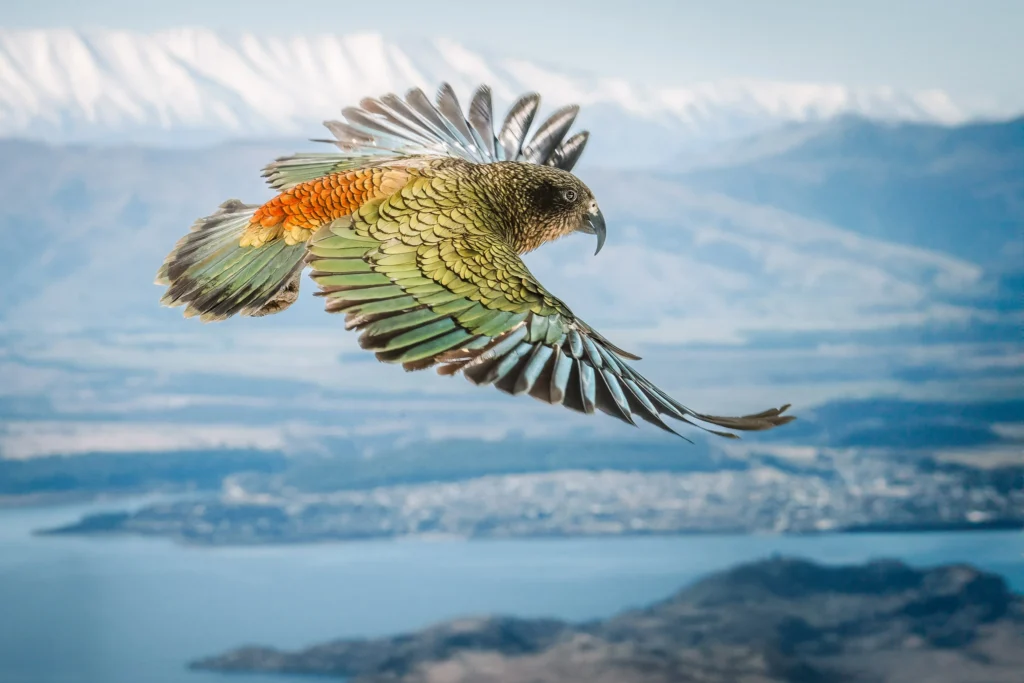
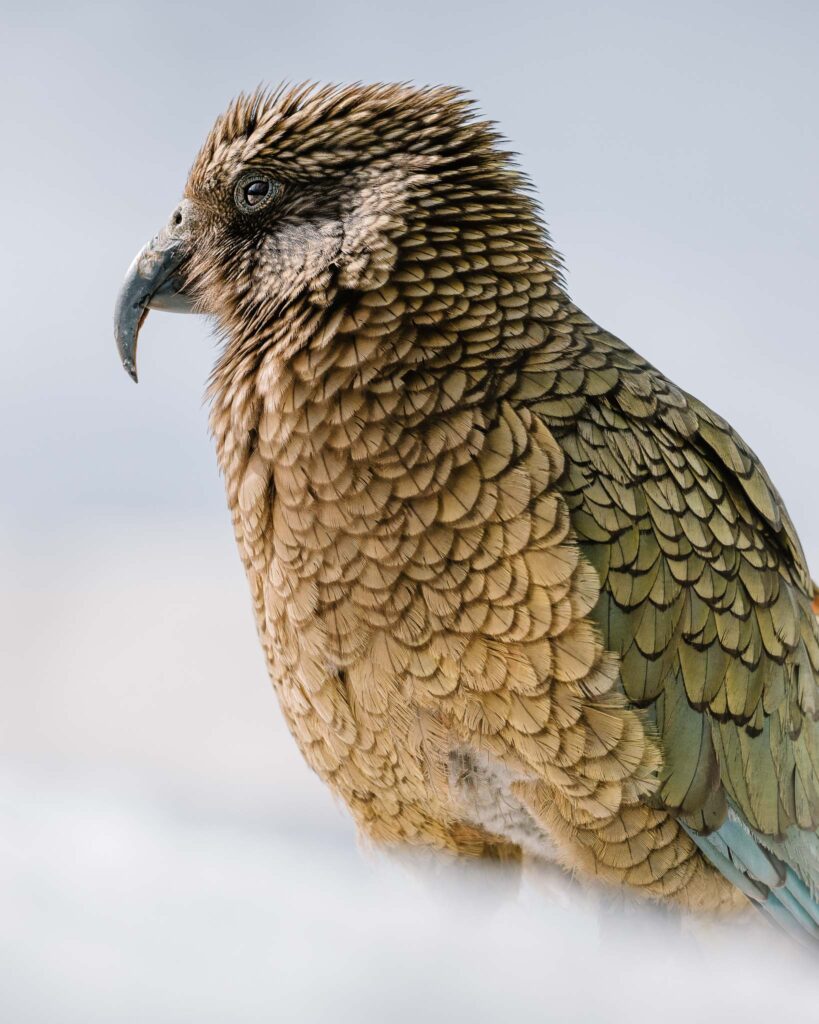
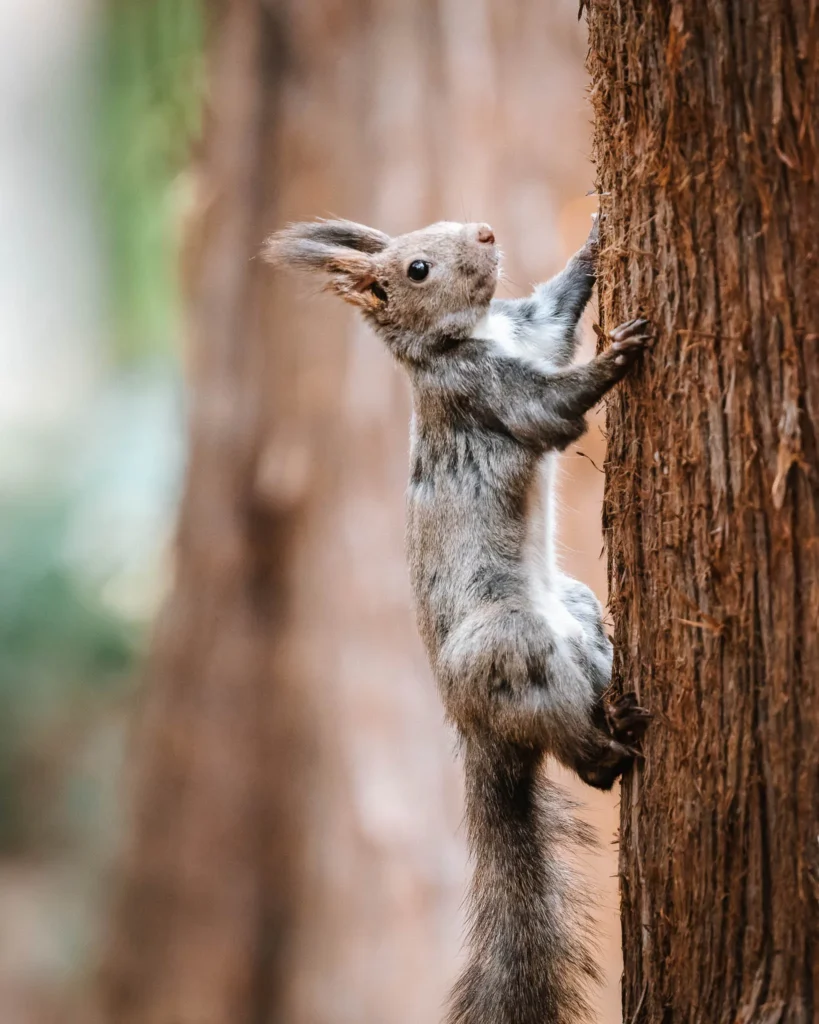
This is my real-world Nikon 180–600mm review, based on 1.5 years of actual field use across Japan and New Zealand—brown bears in Shiretoko, foxes and squirrels in Hokkaido, monkeys in Kyushu, kea in the Southern Alps, and even the occasional surf and ski session.
If you want a real-world review of the Nikon Z 180–600mm based on genuine field experience—not specs—this is for you.
Why I Bought the Nikon 180–600mm
Japan’s wildlife—especially in Hokkaido—is shy. Foxes keep their distance, deer disappear quickly, and bears… well, you don’t want to get close to those anyway. I needed a lens with:
- Reach
- Durability
- Weather Sealed
- Reliable autofocus
- and a price that doesn’t require selling a kidney
The Nikon 180–600mm fit that perfectly. And after months of use, it has become my main wildlife lens.
A Lens Built Like It Means Business
The first thing I noticed was the build.
This thing is a tank.
The internal zoom makes a huge difference—not just for durability, but for balance. When you zoom, the lens doesn’t extend, so nothing shifts forward. After using an extending zoom like the Tamron 150–500mm, the Nikon’s internal zoom feels steady and confidence-inspiring. Making it easy for hand holding even though its bigger than the Tamron, making it much easier to hand-hold even though it’s physically bigger than the Tamron.
Harsh Weather? This Lens Doesn’t Care
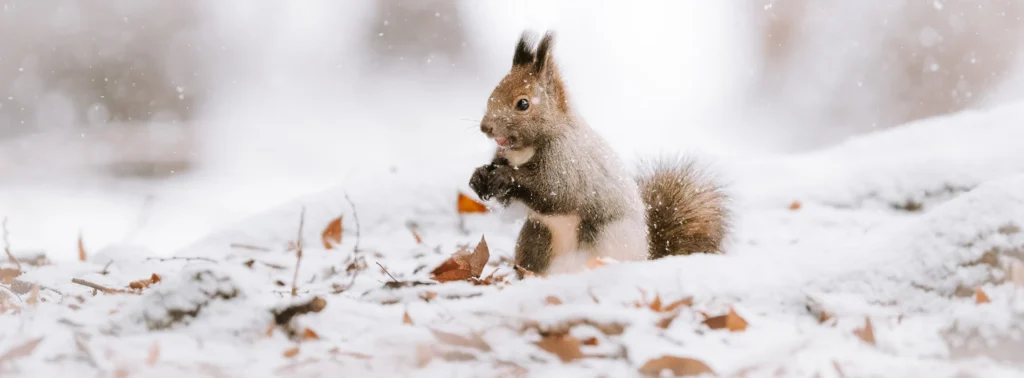
I’ve put this lens through some genuinely nasty conditions: heavy snowfall in Sapporo, sideways rain in Hokkaido, below-zero mornings, and New Zealand alpine wind and drizzle. One day I was photographing squirrels in a full snowstorm—big flakes, moisture everywhere—and the lens didn’t even flinch. No fogging, no stiffness, no strange behaviour. Just solid performance. Of course, no weather sealing is completely bulletproof, and you still need to be sensible in extreme cold, rain, or big temperature changes where condensation can happen. But in my real-world use, after 1.5 years of not babying it at all, the 180–600mm has handled harsh weather exceptionally well.
Handling: Big, But Surprisingly Manageable
Yes, it’s a big lens. No point pretending otherwise. But not unmanageable.
For short bursts, it’s fine handheld. For longer sessions—waiting for a bear to move, or tracking birds—I’ll switch to my monopod or tripod. When walking around, I attach a Peak Design strap directly to the lens lugs and just sling it over my shoulder. Works perfectly.
For long hikes, I sometimes carry my tiny Nikon 300mm f/4 PF instead. But the moment wildlife becomes the actual goal, I take the 180–600mm every time.
I also use the RolanPro lens coat, which is made from a tough waterproof Oxford-style fabric (more like a hard canvas than soft neoprene). It’s tight to get on, but once it’s on, it doesn’t move at all and gives the lens proper protection. I tend to swing long lenses into things when I’m climbing around in the forest or snow, and this cover has already saved the barrel more than once — and helps keep the resale value intact.
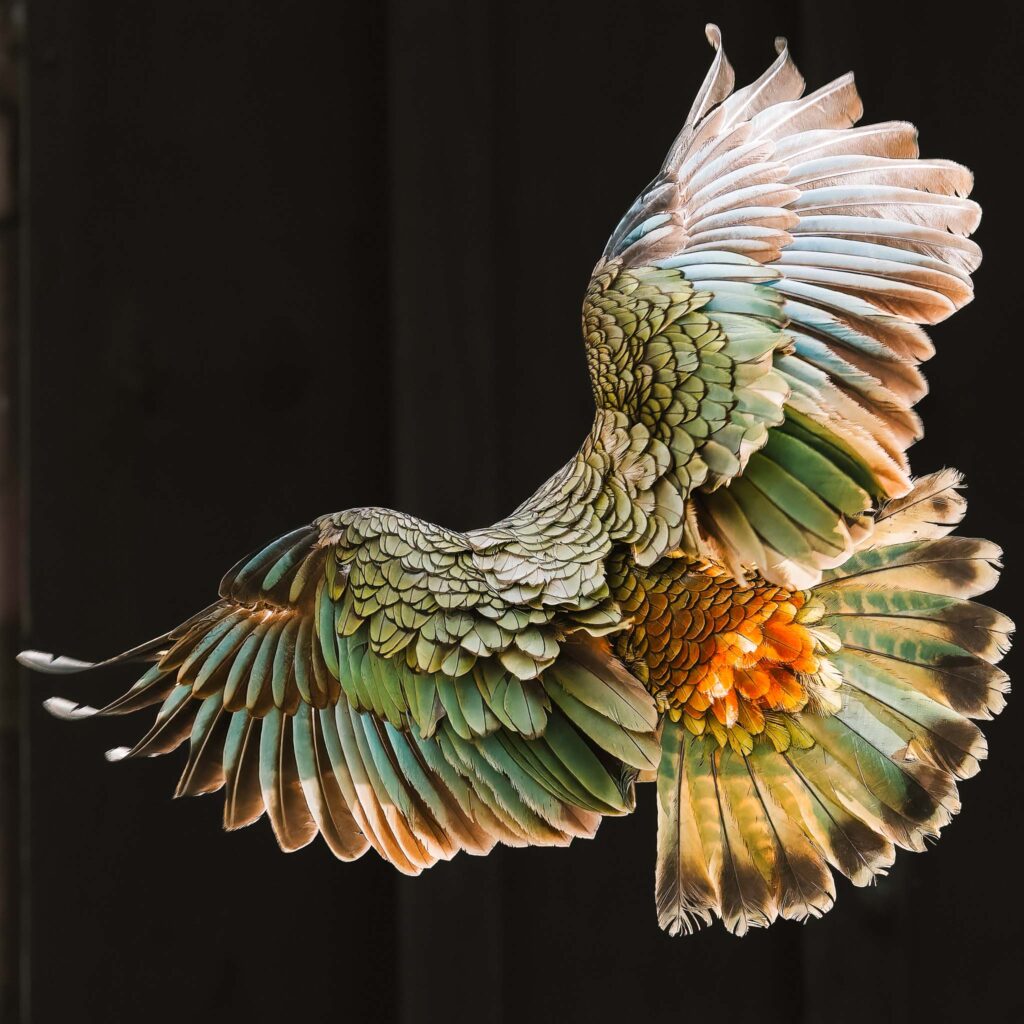
Image Quality
In short: fantastic.
Sharp throughout the range, especially where it matters—300–600mm.
The lens is absolutely useable wide open at F5.6 – f/6.3, and with modern sensors (like the Z8), ISO performance makes low light far less stressful than it used to be.
Stop it down to f/7.1 or f/8 and you get a small jump in sharpness, but at the cost of ISO.
Most of the time I keep it wide open.
Real Experience: Photographing Brown Bears in Shiretoko
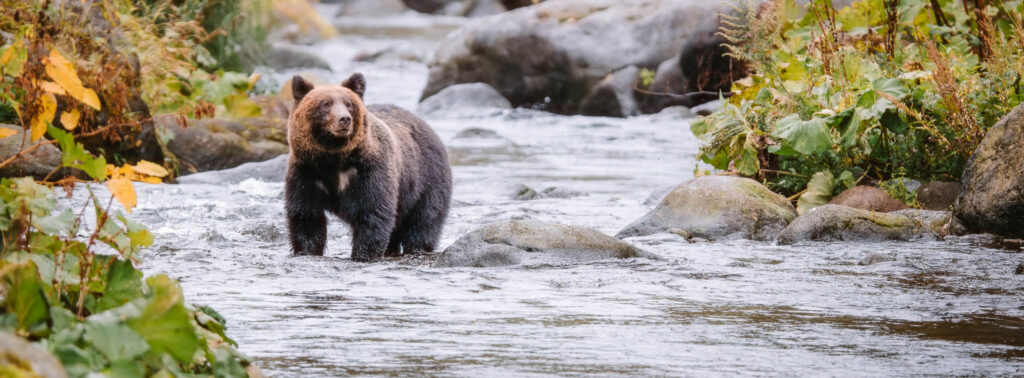
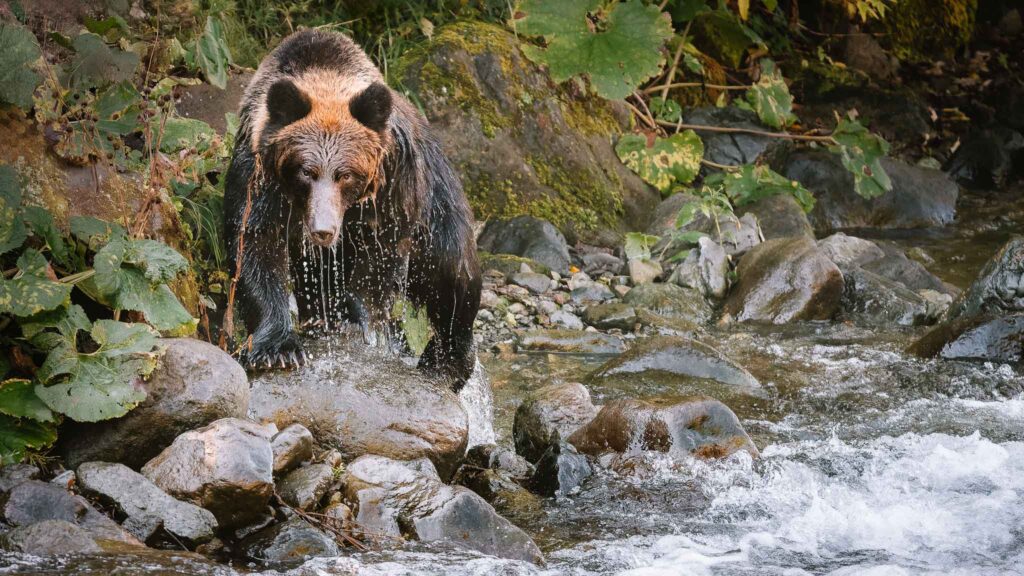
One of the times the 180–600mm really proved its value was while photographing brown bears in Shiretoko. I was standing a safe distance away while a bear moved up and down a river, sometimes coming a bit closer, sometimes wandering further off.
If you want to see the full story and photos from that day, I wrote a separate post here: How to Photograph Ezo Brown Bears in Hokkaido – Tips, Ethics & Camera Settings
The lens made it easy to adjust without changing my position. At 180mm I could include more of the surroundings, and at 600mm I could get tighter shots when the bear paused or looked up. When it walked further downstream, I just zoomed in instead of moving.
Having that zoom range meant I could keep a safe distance the entire time while still getting a good variety of images — a much better option than trying to walk closer or constantly change positions.
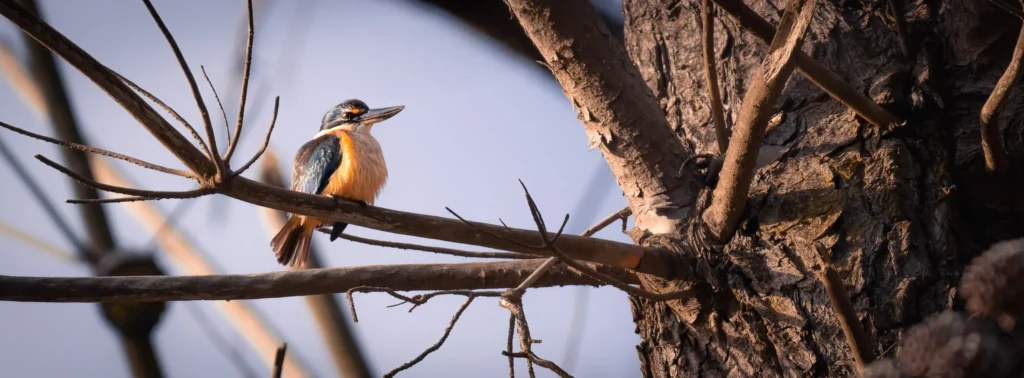
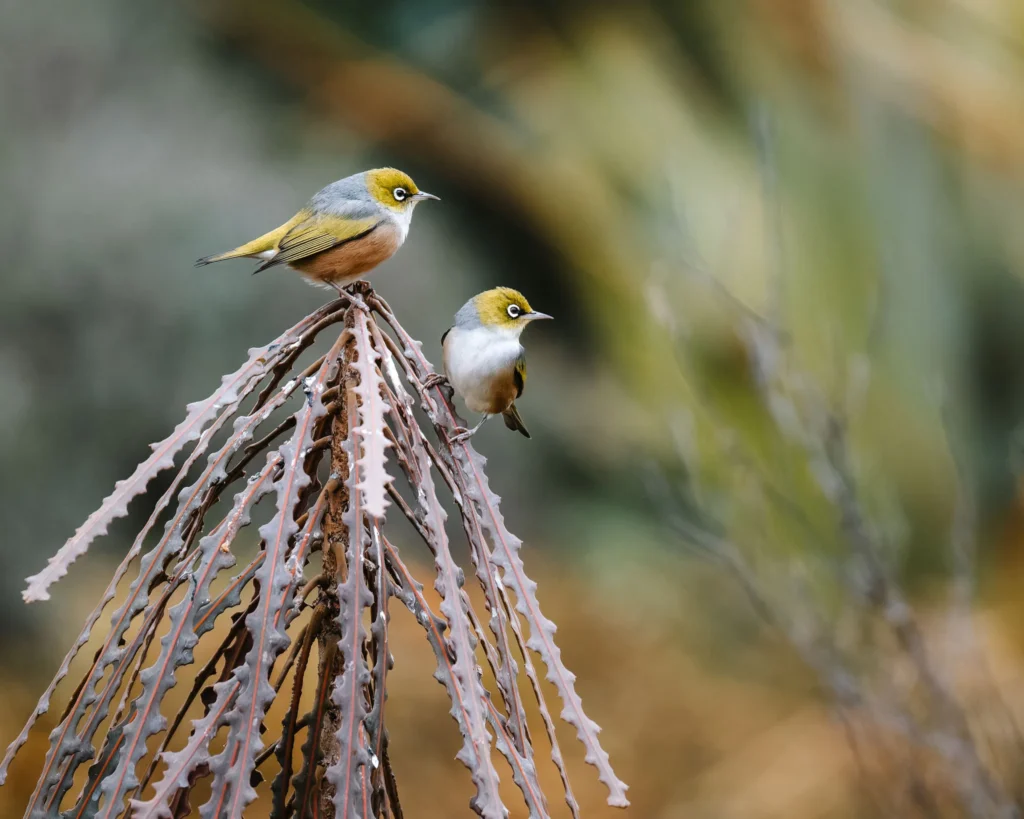
Real Experience: Photographing Birds Through Branches
Birds love hiding behind branches. Autofocus systems don’t.
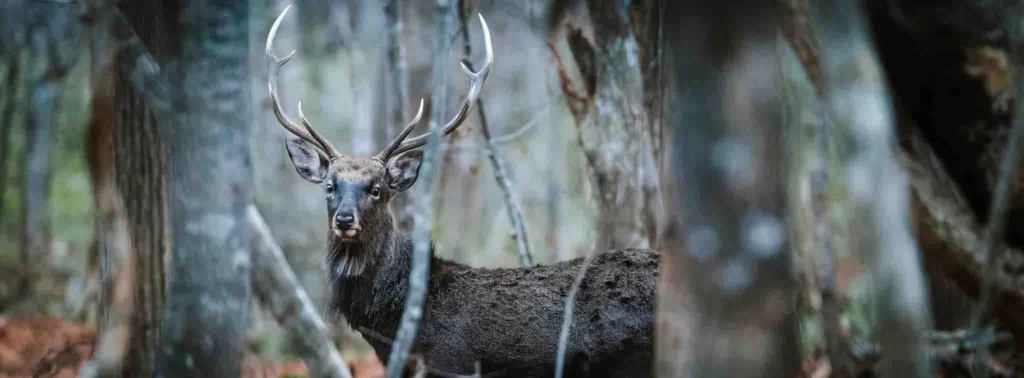
If you’ve ever tried photographing a small bird in a tree, you’ll know the problem: the camera focuses perfectly on a random twig, and the bird ends up soft. It’s frustrating, and it happens constantly with long lenses
My solution is simple and works every time because my Nikon Z8 is set up with back-button focus and custom controls I can reach without taking my hand off the grip:
- AF-ON: medium wide area + animal detection (general tracking)
- FN1 (front button): single-point AF (precision override when branches confuse the camera)
Because these buttons are right under my fingers, I can switch between wide-area tracking and pinpoint accuracy instantly, without looking away or moving my hands.
I’ve used this to nail shots of:
- birds half-hidden in dense branches
- foxes behind long grass
- monkeys obscured by trees
Without this setup, the camera would have kept grabbing the wrong branch, and half those images simply wouldn’t exist.
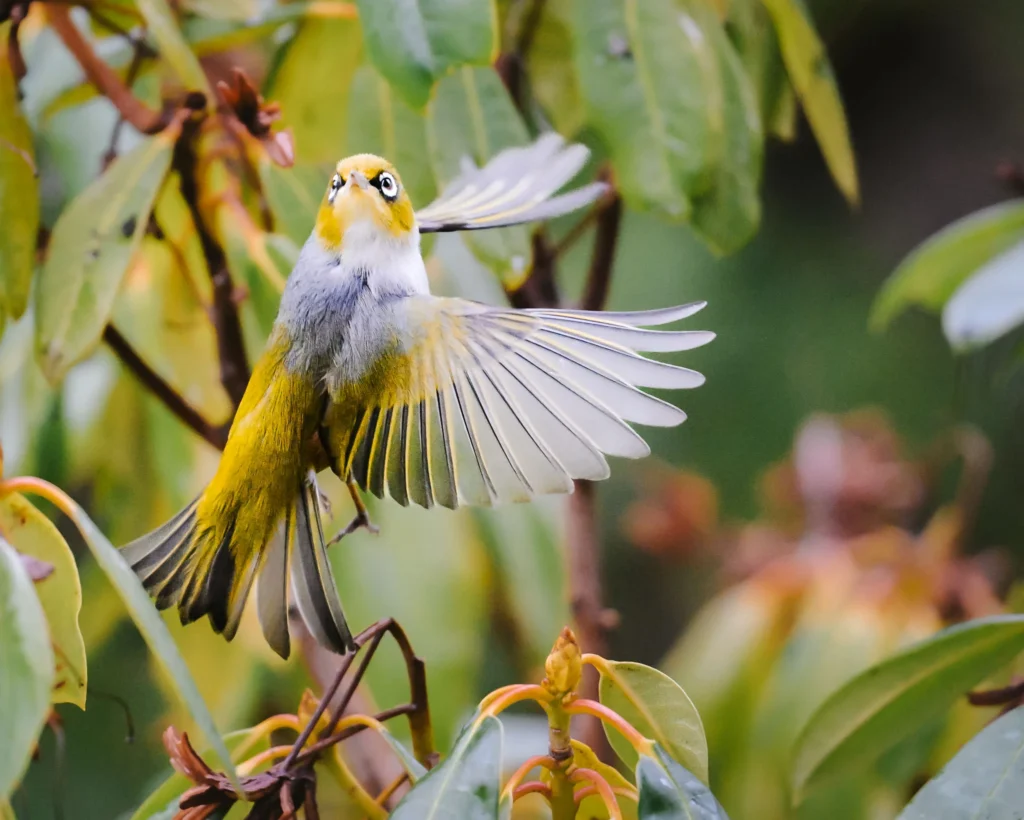
Autofocus Performance (With Nikon Z8)
Autofocus performance on the 180–600mm is genuinely impressive, especially on the Nikon Z8. It snaps into focus quickly and holds onto subjects well as long as they’re not deep behind branches or heavy clutter. It’s not as blisteringly fast as my Z 70–200mm f/2.8 — that lens is in a different league — but it’s definitely quicker and more confident than my old Tamron 150–500mm.
In clean scenes, it locks immediately. In messy scenes, my custom setup (AF-ON for wide-area tracking and FN1 for single-point precision) lets me take control instantly. Combined with the Z8’s excellent subject detection, the lens handles everything from slow-moving bears to fast birds in flight with surprisingly reliable accuracy.
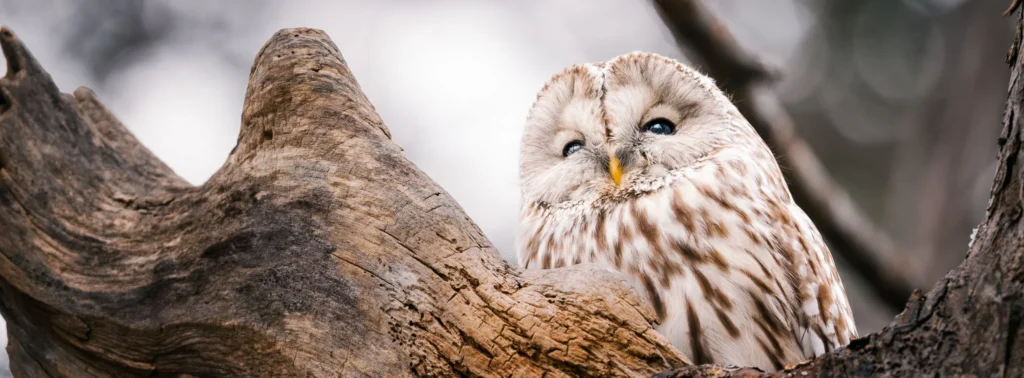
Teleconverter Performance
occasionally use the Nikon Z 1.4× teleconverter with the 180–600mm, but only when the light is good. Once the TC is attached, the maximum aperture drops, so at the long end you’re shooting at around f/9 instead of f/6.3. That extra loss of light can push the ISO up quickly if conditions are dim, which is why I avoid using it in dark forests or early/late in the day.
But in bright conditions, the 1.4× TC works surprisingly well. There’s a small drop in sharpness, but it’s genuinely minor — and I consistently get better results than simply cropping a 600mm image, especially for small birds or distant subjects. Autofocus still works well too, as long as you’re not shooting through heavy clutter or in low light.
In my experience, the biggest limitation at extreme distances isn’t the teleconverter or the lens — it’s atmospheric distortion. Heat shimmer, steamy river air, or cold ripples will soften the image long before the optics do.
Used in the right conditions, the 1.4× TC adds genuinely useful reach without ruining image quality.
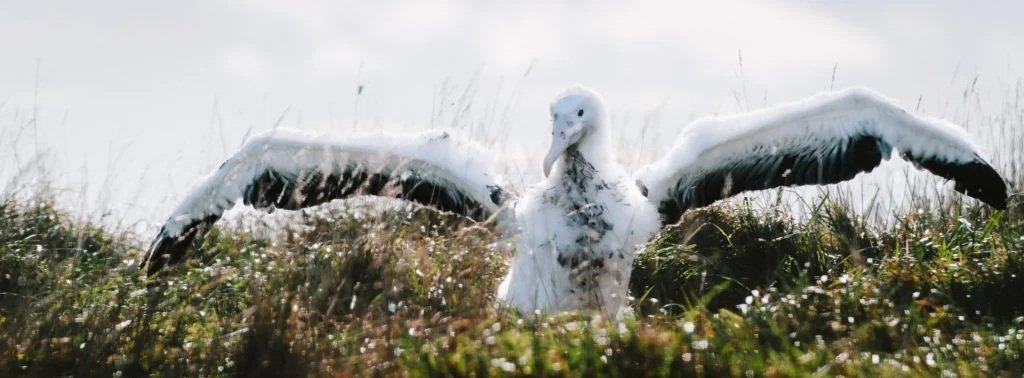
Comparisons to Other Lenses I’ve Used
Nikon Z 100–400mm f/4.5–5.6
The 100–400mm is lighter, smaller, and very sharp. It’s a great lens, but for me the missing reach was the deal-breaker. I often need the full 600mm for wildlife here in Japan, and the extra 200mm makes a noticeable difference. The 180–600mm is also more affordable, which made the choice even easier. Both are excellent, but for wildlife the 180–600mm simply suits my needs better.
Tamron 150–500mm f/5–6.7 (used on my old Fujifilm X-H2S)
I got some great photos with the Tamron — the image quality genuinely impressed me, especially for the price. But compared directly to the Nikon, I don’t think the Tamron is quite as good in terms of sharpness and micro-contrast at the long end.
The biggest difference, though, is handling. The Tamron’s extending zoom shifts the weight forward when zoomed in, and that front-heavy feel made it less stable for me in the field. The Nikon’s internal zoom keeps the balance centred, and despite being the physically larger lens, it actually feels easier and more confidence-inspiring to use.
Nikon 300mm f/4 PF (with F-mount adapter)
This lens is tiny, extremely sharp, and genuinely one of Nikon’s most underrated lenses. It’s perfect for hiking or days when I’m not sure whether I’ll see wildlife — the size and weight make it an easy “just in case” option.
With the 1.4× teleconverter it still produces great images, but the autofocus does struggle more in that configuration compared to the 180–600mm on its own.
I don’t carry both lenses at the same time, but they work brilliantly as a pair depending on the situation:
- Long hikes or uncertain wildlife chances: the 300mm PF is ideal because it’s so light and small.
- Dedicated wildlife days: I take the 180–600mm for the reach, flexibility, and overall reliability.
Who Is the Nikon 180–600mm Good For?
This lens is a fantastic choice for anyone who wants serious reach without paying the extreme prices of Nikon’s super-telephoto primes. It suits beginners through to experienced shooters because the handling is predictable, the internal zoom keeps the balance stable, and the autofocus — especially on bodies like the Z8 — is fast and reliable. You don’t need elite technique to get sharp images.
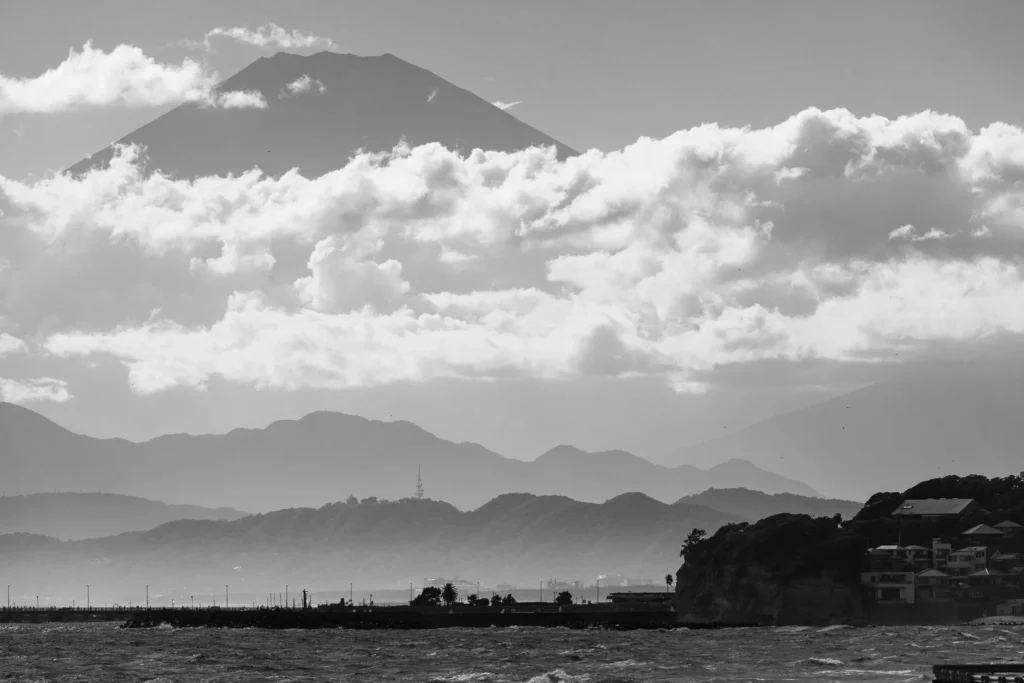
Where it really shines is dedicated wildlife photography: bears, birds, foxes, deer, and general nature subjects where you need the flexibility to move from 180mm environmental scenes to tight 600mm portraits instantly. It’s also excellent for distance landscapes, picking out distant ridgelines, isolating details, and compressing scenes. And while it’s not a surfing lens in the traditional sense, the reach makes it great for shooting surfers from beaches or elevated lookouts.
It’s not the best choice for people who hike long distances or want to keep their pack weight as low as possible — this is a big lens, and you feel it. For those situations, a smaller prime or a lighter telephoto is a better match. But for shorter walks, wildlife-focused outings, travel where weight isn’t a critical factor, or any trip where wildlife is the main goal, the 180–600mm is the lens I rely on.
The only photographers it won’t suit are those who truly need fast apertures like f/2.8 or f/4 for low-light action or professional sports. For everyone else, the 180–600mm offers a rare mix of reach, versatility, image quality, and price that’s very hard to beat.
The One Thing That Annoys Me
The tripod foot is not ARCA compatible.
You have to screw on your own plate. My current one keeps coming loose and drives me mad. Tamron built ARCA right into their foot. Nikon should too.
Final Thoughts
After 1.5 years of real use, in real weather, on real wildlife, the Nikon Z 180–600mm has earned its place in my kit. It’s one of the best value wildlife lenses available today.
It’s sharp, rugged, versatile, and reliable.
It handles Hokkaido’s winter.
It nails autofocus with the Z8.
It gives both reach and flexibility.
And it costs a fraction of what the big primes do.
If you enjoyed this review and want more real-world photography tips, location guides, and behind-the-scenes stories from Japan and elsewhere, feel free to explore the rest of the blog. And if you’d like updates when new articles come out, you can join my email list below— I send occasional updates, nothing spammy.
If you’re planning a photography trip to Hokkaido, I also have a Nature Photography Guide to Hokkaido — a growing map of the exact locations I’ve used this lens, including bear spots in Shiretoko, fox and deer areas on the Notsuke Peninsula, crane locations near Kushiro, and a range of landscape and winter photography spots around the island. You can find it in my shop if you want to explore it.
Gear Mentioned in This Review
Note: This is an affiliate link. It doesn’t cost you anything extra, but it helps support the blog.
Here are the exact items I used while testing the Nikon 180–600mm:
Main Lens
- Nikon Z 180–600mm f/5.6–6.3 VR → https://geni.us/6bvhy
Teleconverter
- Nikon Z 1.4× Teleconverter → https://geni.us/A79hfE
Lens Cover / Protection
- RolanPro Hard Canvas Lens Coat (Nikon 180–600mm size) → https://geni.us/28IUBr
Camera Body Used
- Nikon Z8 → https://geni.us/fwlAw
Carrying / Support Gear
- Peak Design Slide Strap → https://geni.us/dT5z
- Monopod Ifootage Cobra 3 Strike → https://geni.us/hObNAk4
- Tripod Ifootage Gazelle TC7 → https://geni.us/oZ2P5Z