
Photographing in Hokkaido Through the Seasons
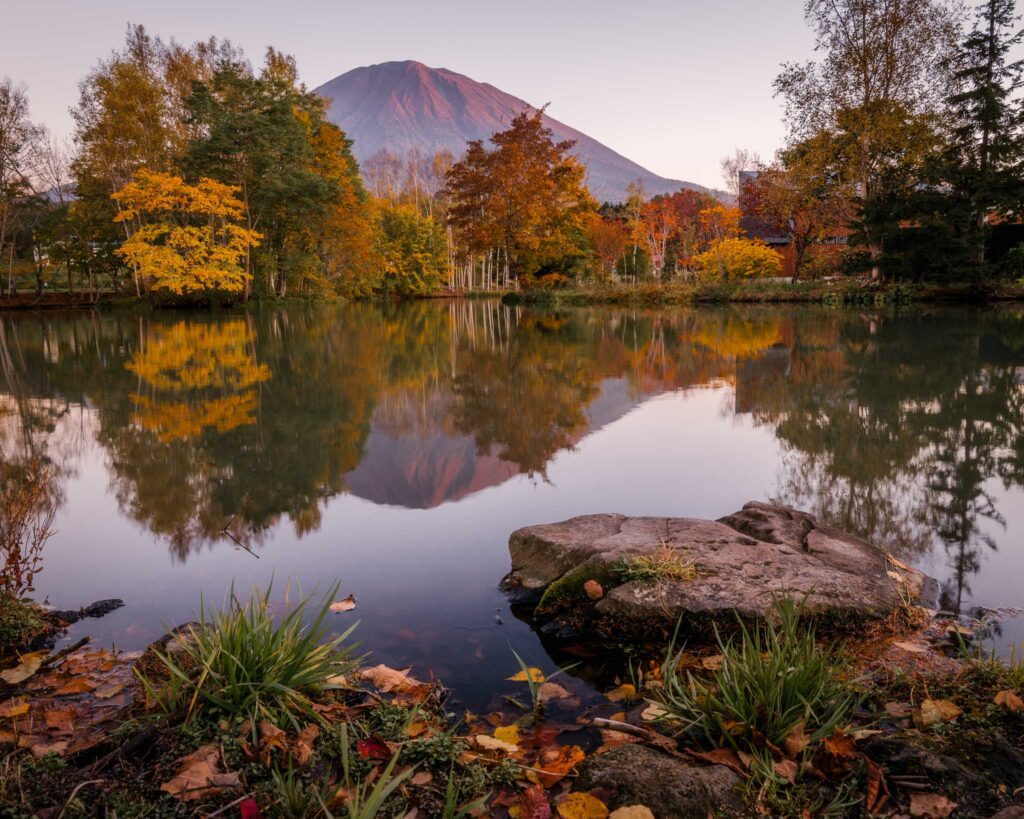
I’ve spent the last few years photographing in Hokkaido through all four seasons, but I’ve been coming here — Japan’s wild north — on and off for around 15 years. Most of that time was for winter, chasing snow and skiing. Only recently did I start exploring it beyond the ski season, curious about what this wild, beautiful island looks like without its snow coat.
What surprised me most wasn’t that the seasons change — all of Japan transforms with the rhythm of spring, summer, autumn, and winter — but how amplified those changes feel here. From –25°C winters to +30°C summers, Hokkaido seems to live its seasons more intensely. The light, the sounds, and even the mood of the land shift dramatically.
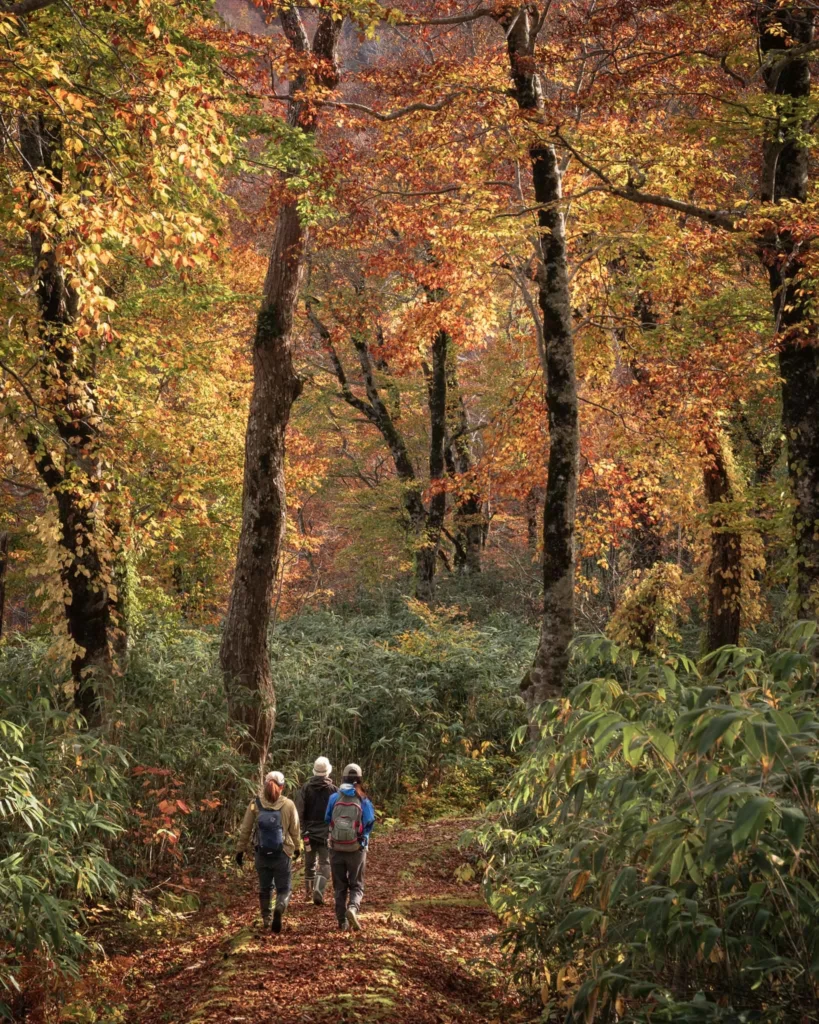
Hokkaido is Japan’s northernmost main island, and it feels very different from the rest of the country. It only became part of Japan in the mid to late 1800s, and even today people call it “the empty part of Japan.” Only about five million people live here — not much for Japan’s 120 million, but coming from New Zealand, where the whole country has five million, it still feels busy to me. Both places are stunning and wild, but Hokkaido’s extremes in weather, temperature, and atmosphere make it feel almost like another world.
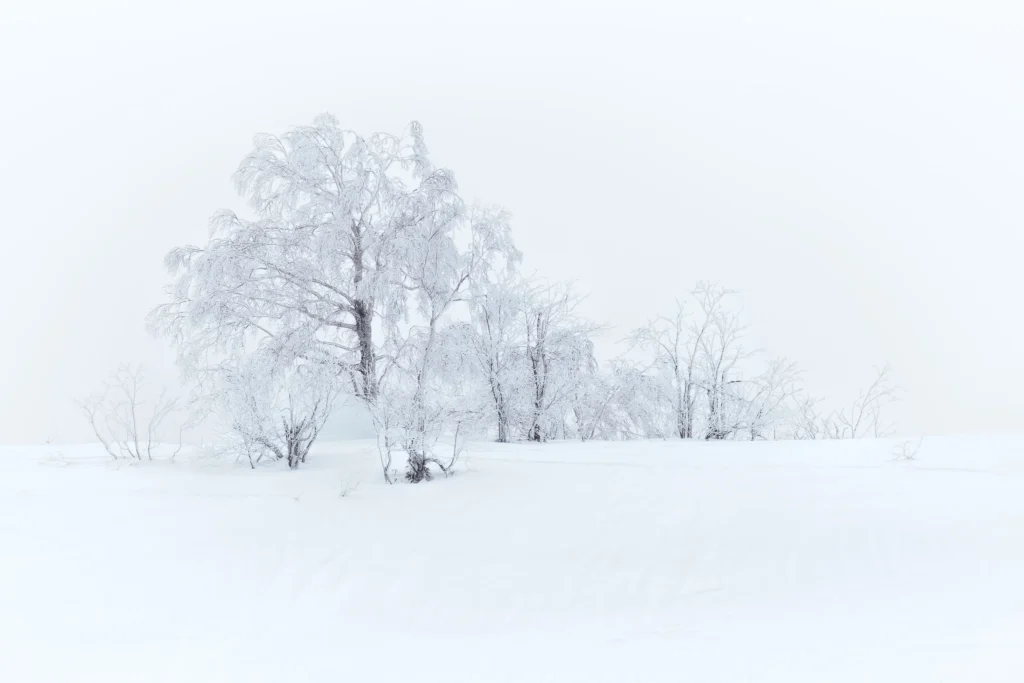
Winter — Silence, Snow, and Survival
This is the season I know best. After years of chasing winters around the world, skiing and spending time in Japan’s forests, this is where my love for photography began.
Backcountry skiing in Hokkaido’s birch forests, I’d often stop to catch my breath and just listen — to the silence. The trees, stripped bare and loaded with snow, turned the forest into a monochrome dream. Photographing scenes like that — sometimes with skiers moving through the white — became more satisfying than the skiing itself.
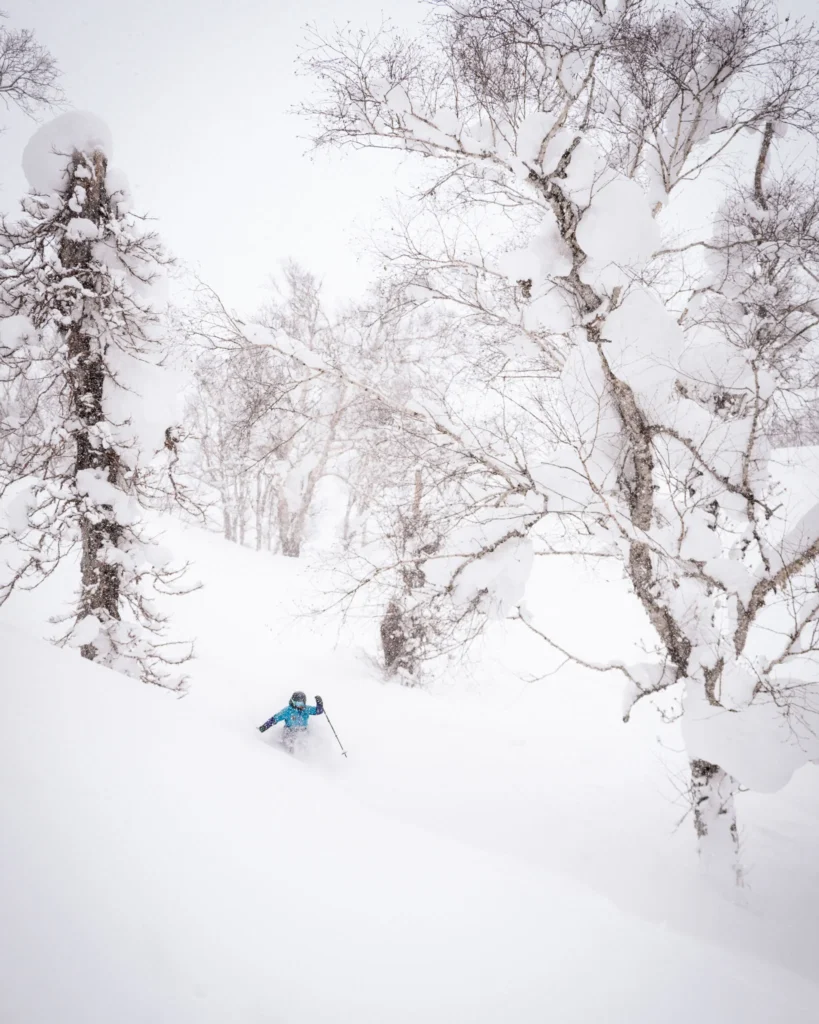
I love finding old, gnarly trees buried in snow and imagining how long they’ve stood there. Despite the stillness, the forest isn’t lifeless. If you look and listen carefully, you might spot an Ezo squirrel darting between branches, a red fox trotting through the powder, or even an Ural owl watching from the trees.
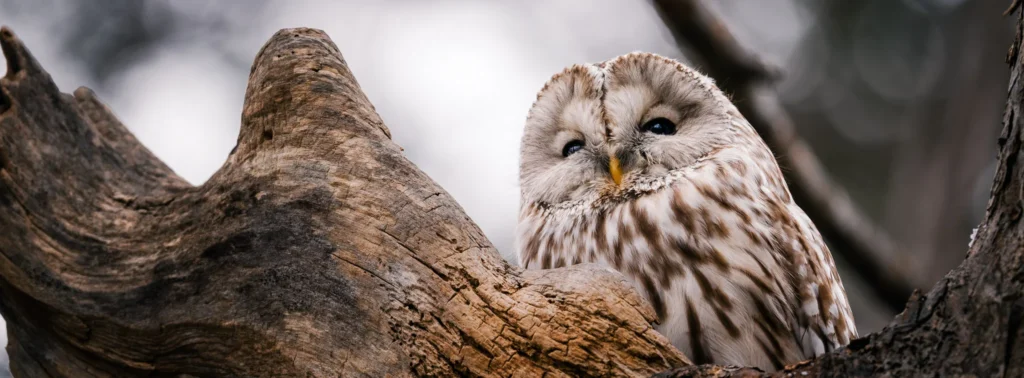
Later, I travelled east to Kushiro and Shiretoko for winter wildlife — cranes dancing in the snow and Steller’s sea eagles along the frozen coast of Rausu (see my crane blog and eagle blog). Winter in Hokkaido offers a mix of minimalist landscapes and world-class wildlife photography.
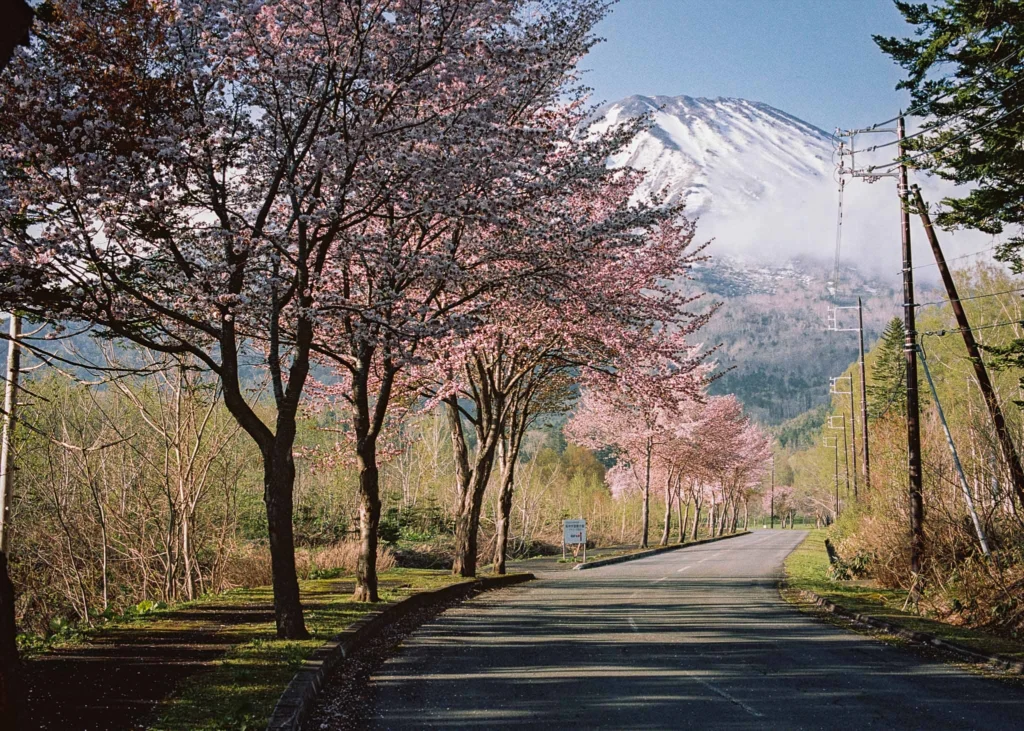
Spring — Thaw and Transition
As the snow melts, life rushes back in. The forests shift from white to bursts of colour — even before turning green, some trees flare with reds and golds like a mini autumn. Cherry blossoms appear in places like Hakodate Castle, while bears wake from hibernation and start to roam.
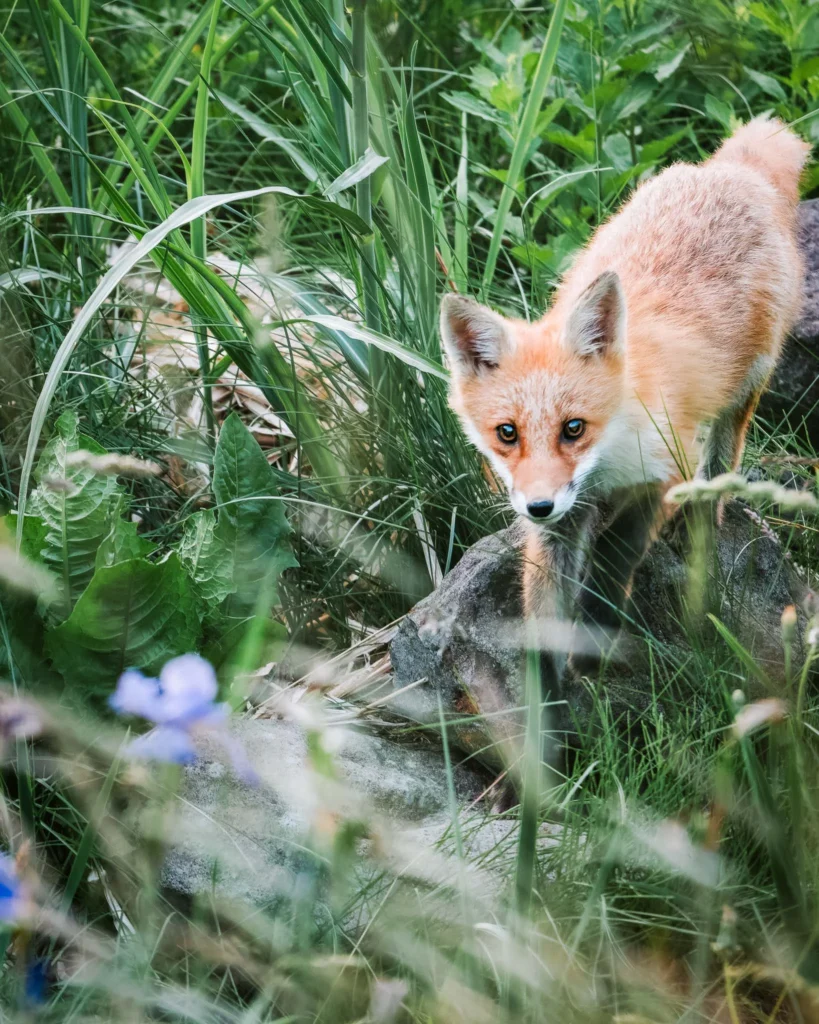
Birdsong returns, insects buzz, and the air feels alive again — though also hazier, with more moisture in the atmosphere. Spring is short but full of character, a great time to capture those flashes of colour before everything becomes solid green.
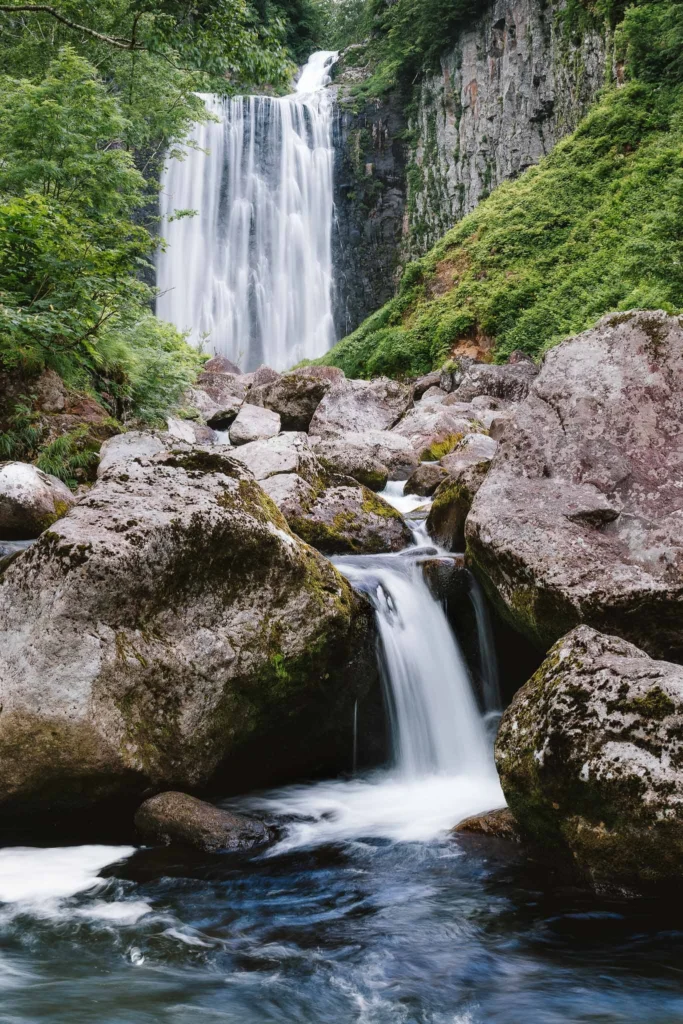
Summer — Life in Overdrive
By summer, Hokkaido is a wall of green. The forests are thick, humid, and loud — alive with birds, cicadas, and mosquitoes. It’s almost hard to believe this is the same landscape that’s silent and white in winter.
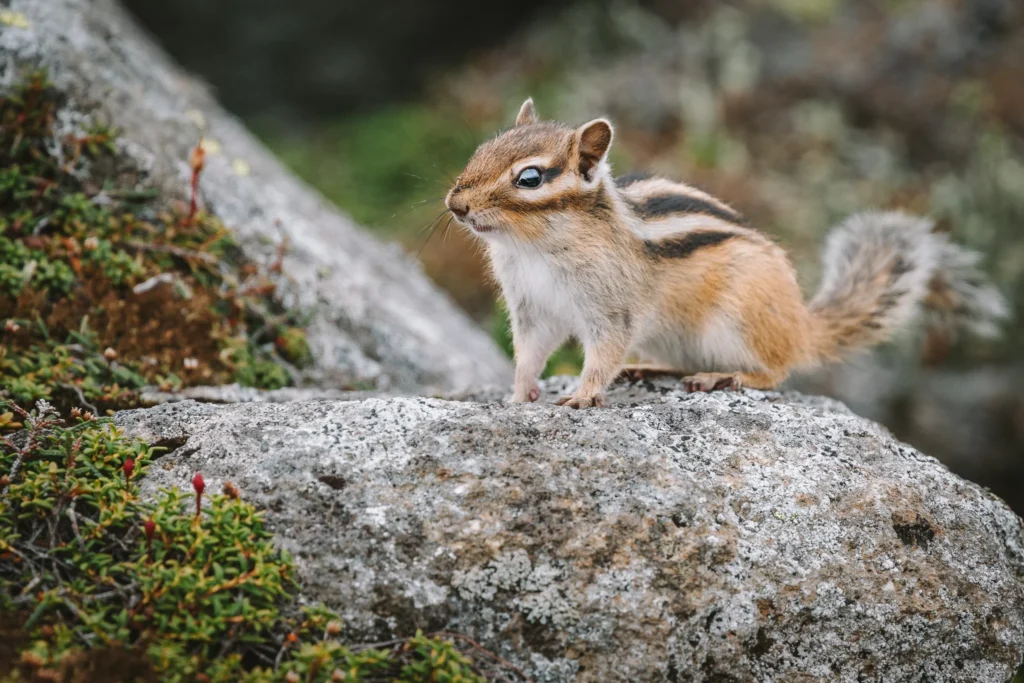
Up high in Daisetsuzan National Park, the palette changes again — alpine flowers, volcanic plateaus streaked with colour, and little pika and chipmunks darting between rocks.
Down low, bring repellent. I learned the hard way at Lake Onuma, trying to shoot a sunset while clouds of biting insects swarmed me, even through long sleeves and a head net.
Hokkaido is meant to be Japan’s cool escape, but don’t be fooled — 30 °C with 80 % humidity still hits hard if you’re used to New Zealand’s South Island climate. Still, after so many winters, I enjoy the warmth.
Autumn — Fire Before the Snow
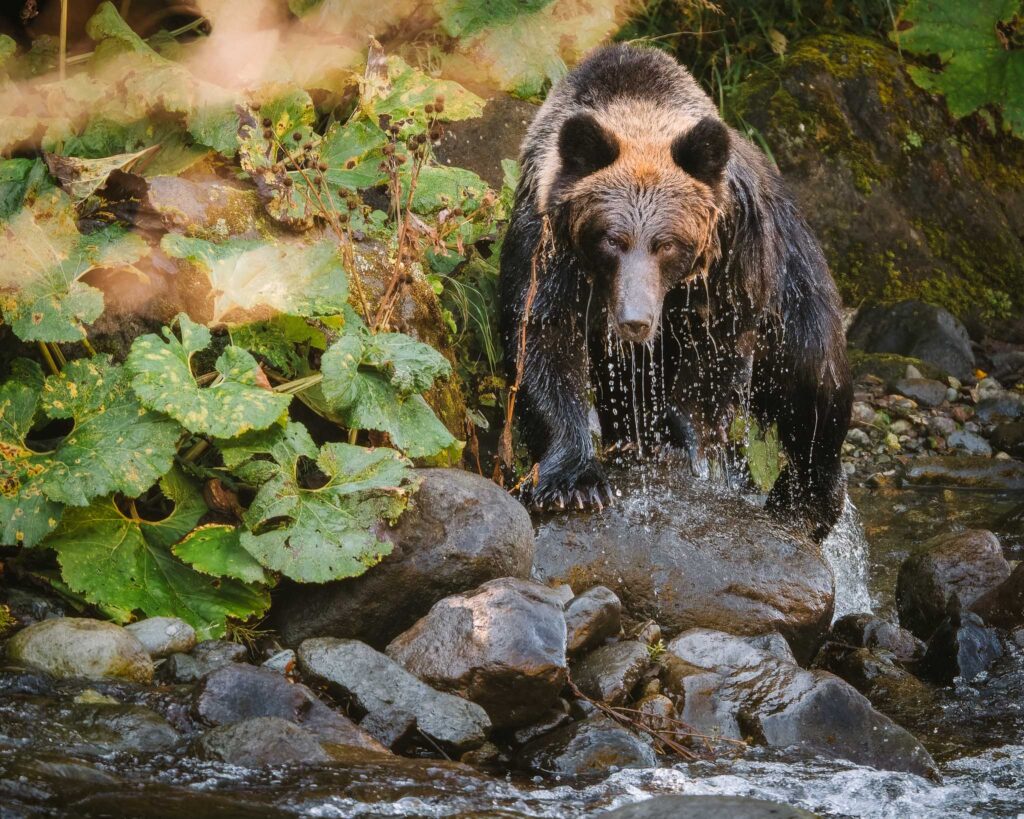
Autumn might be Hokkaido’s most underrated season. Tourist numbers drop, but it’s easily one of the most beautiful times to visit. The forests explode with colour, snow dusts the peaks again, and bears catch the last salmon in September and early October — incredible wildlife opportunities if you’re cautious (see my bear blog)
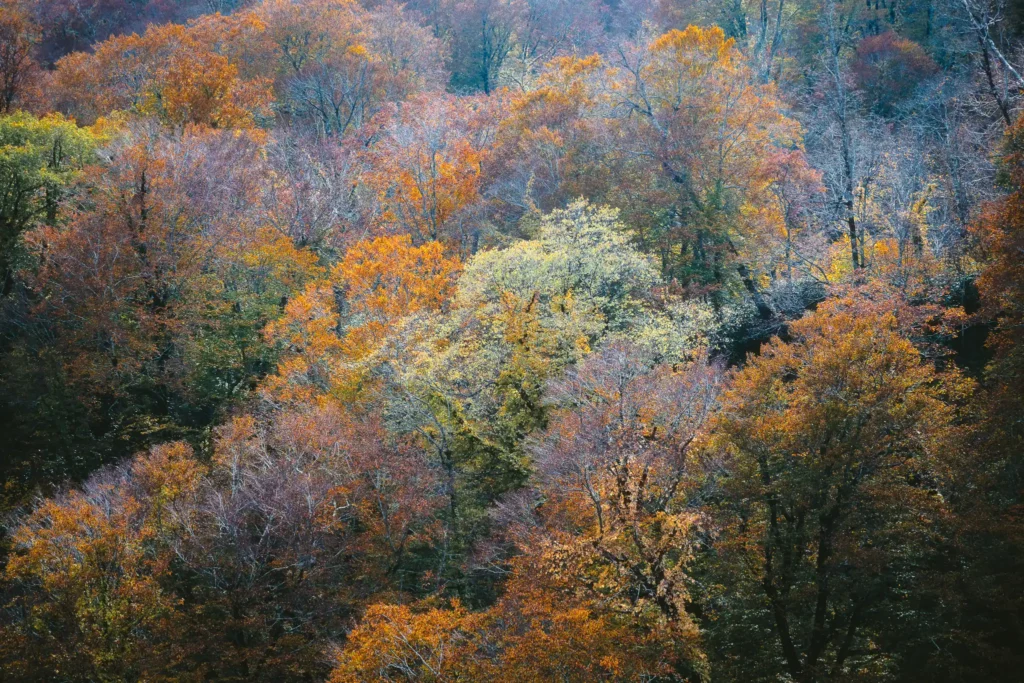
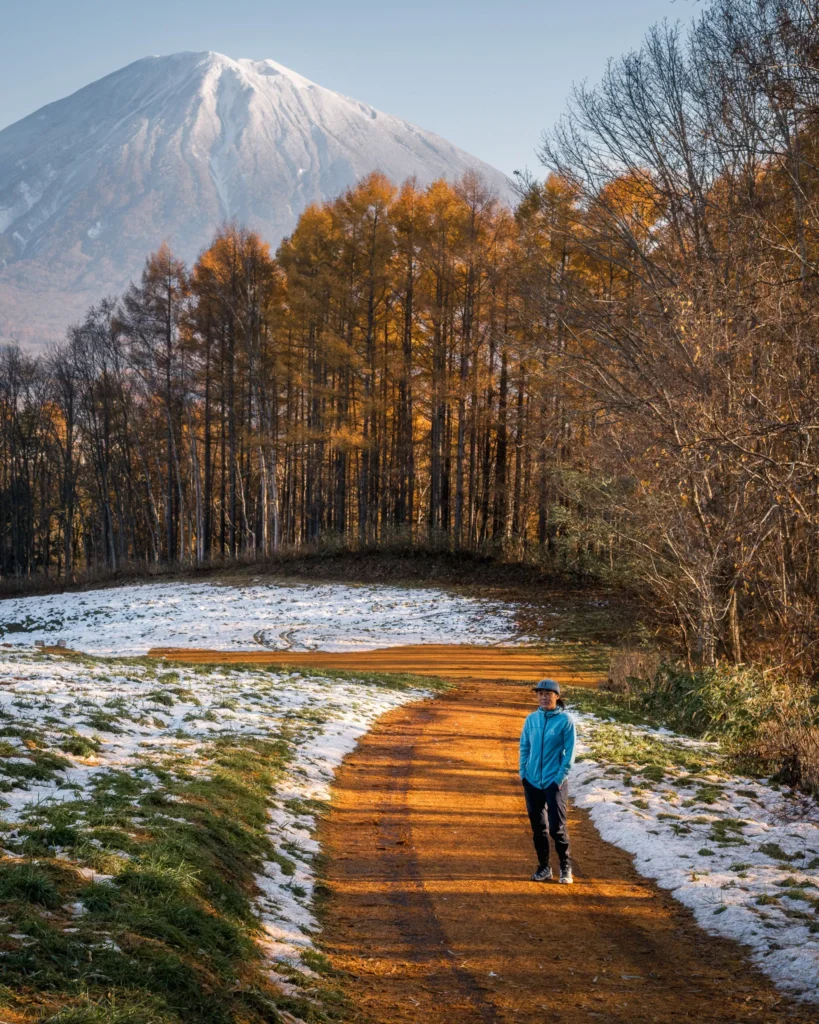
As temperatures drop, the insects disappear and the forests grow quiet again. Around places like Lake Onuma and Mt Yotei, the reds and golds make every scene come alive.
Reflections
Japan as a whole lives deeply by its seasons — spring blossoms, humid summers, colourful autumns, and snowy winters shape life everywhere. But in Hokkaido, the contrast feels amplified. The shifts aren’t only visual; they change the energy, the silence, and even how people move and think. Photographing here through the year has taught me patience and adaptability, and how closely nature and rhythm shape daily life in Japan.
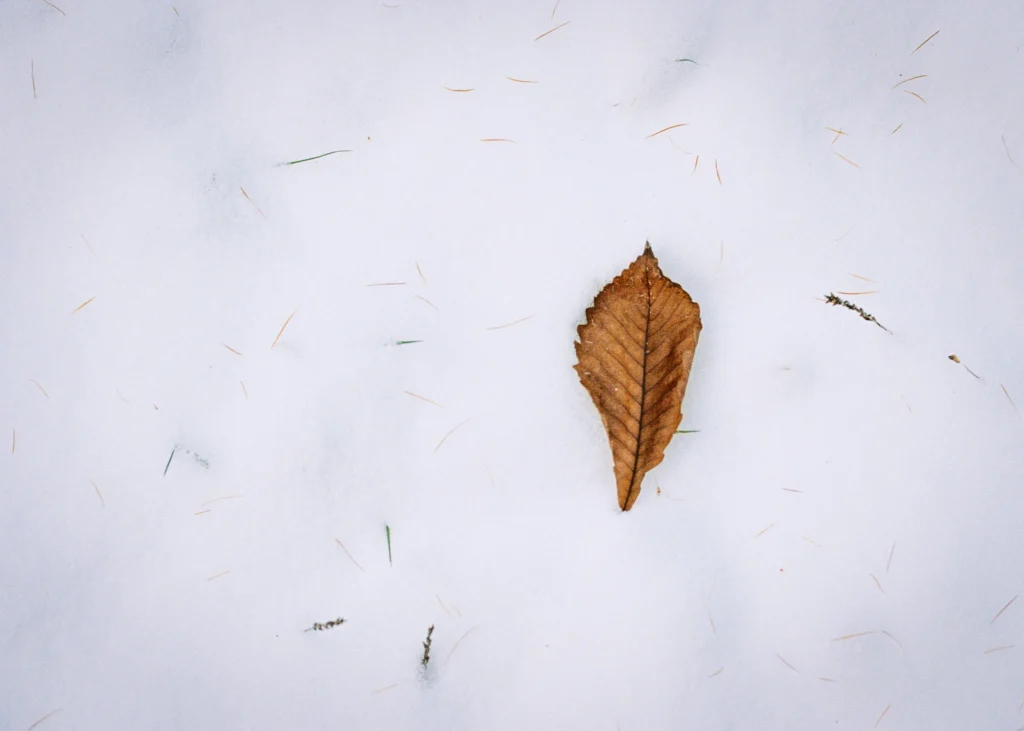
And somehow, I see those same contrasts reflected in Japan itself. From the outside, people often imagine Japan as a perfectly harmonious country — quiet, polite, efficient, and balanced. But when you live here, you see that the harmony people talk about is only part of the picture — there’s plenty of tension and contradiction underneath it.
There are layers of strict rules, procedures, and expectations — yet right beside them, moments of surprising disorder or neglect. A society that values calm and precision also tolerates tangled power lines, chaotic traffic squeezed through narrow streets, and endless stretches of concrete coastline in the name of safety. It’s not the flawless image often seen from afar, but something far more human — a constant balancing act between beauty and control, order and chaos.
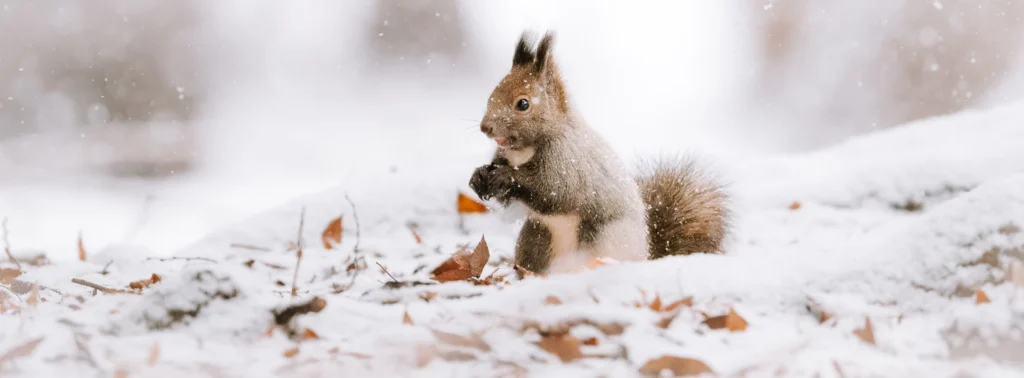
Just like the seasons here, Japan swings between extremes. Maybe that’s what makes it such an endlessly fascinating place to photograph — and to try to understand.
If you’re planning to photograph this wild island, you can explore the spots I’ve marked on my Hokkaido Nature Photography Map. Some are well-known, others are random places I stumbled across — but all show a different side of Hokkaido’s ever-changing seasons. I update the map regularly as I explore new areas, so it’s become an ongoing record of my journey through Hokkaido.