
Mindful Photography: How Slowing Down Improves the Way You See
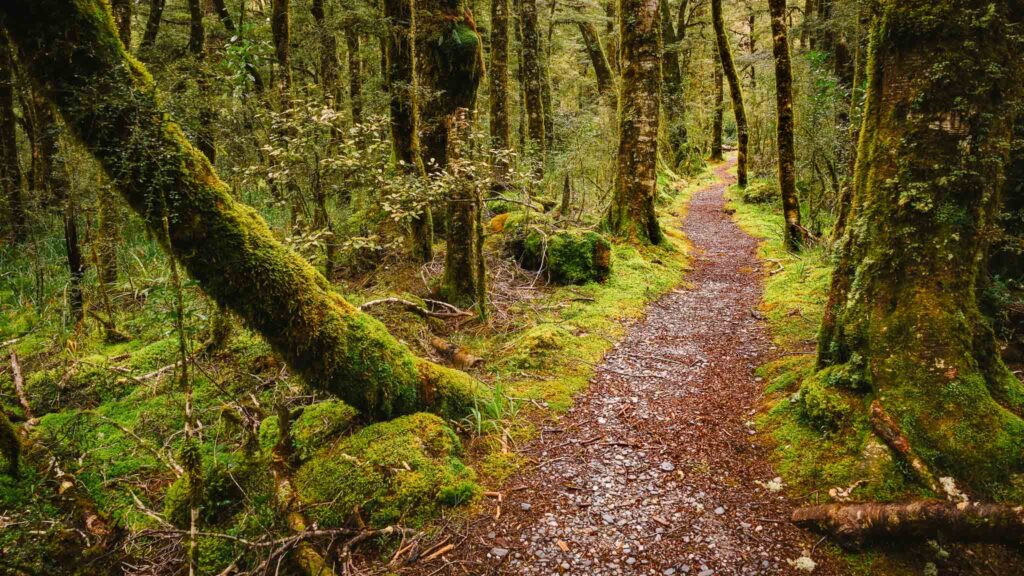
Mindful photography isn’t about taking better photos.
It’s about slowing down enough to actually see what’s around you.
For me, slowing down isn’t just a nice idea — it’s often necessary. With an ADHD mind, switching from one thing to another can be surprisingly difficult. My attention can get stuck, hyper-focusing on something stressful or unhelpful, and it doesn’t easily let go. Even when I’m physically in a beautiful place, my mind can still be somewhere else entirely.
Mindful photography has become one of the most effective ways I’ve found to interrupt that loop and re-engage with the present moment. But ironically, becoming present doesn’t come easily for me — it’s something I have to actively work toward. That’s where engaging the senses really helps. By deliberately listening, feeling, and observing what’s around me, my attention slowly shifts out of my head and back into the environment. From there, photography starts to feel grounded again, rather than driven by noise or tension.
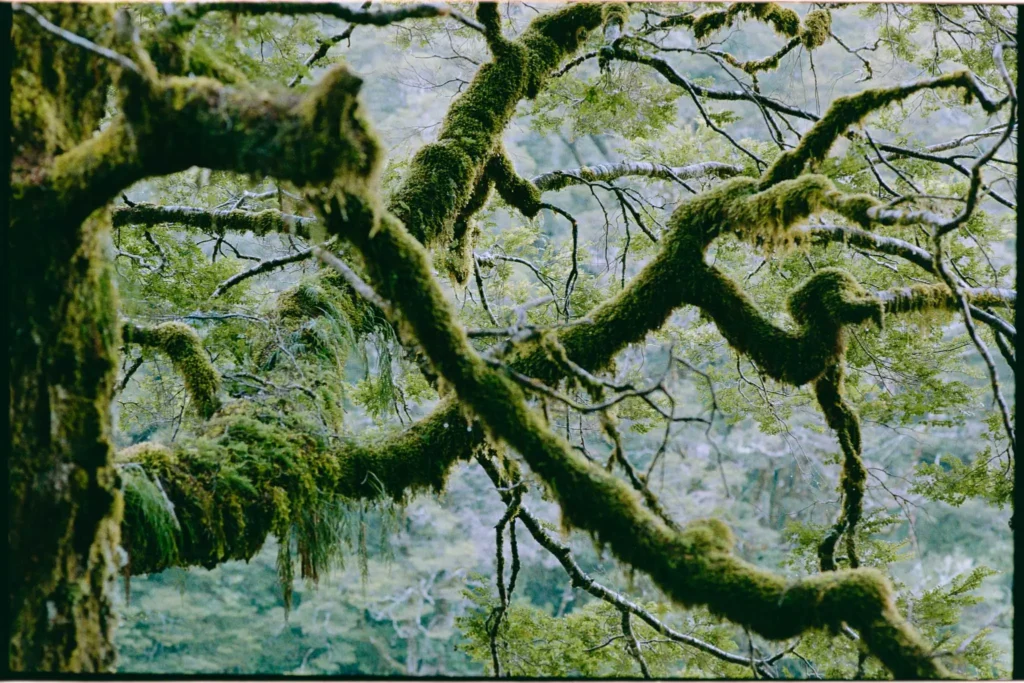
For me, this practice works best in nature, away from crowds and built-up environments. Cities and busy places tend to overwhelm my nervous system — there’s too much noise, movement, and stimulation competing for attention. Out in nature, everything feels simpler. My mind settles more easily, and being present takes far less effort.
This aligns closely with the Japanese practice of shinrin-yoku, or forest bathing. The idea is that spending time in nature, deliberately engaging the senses and breathing fresh air, can reduce stress and blood pressure and support overall health. There’s research suggesting that trees release compounds called phytoncides into the air, which may help the body relax and increase the release of endorphins — the chemicals associated with feeling calm and content.
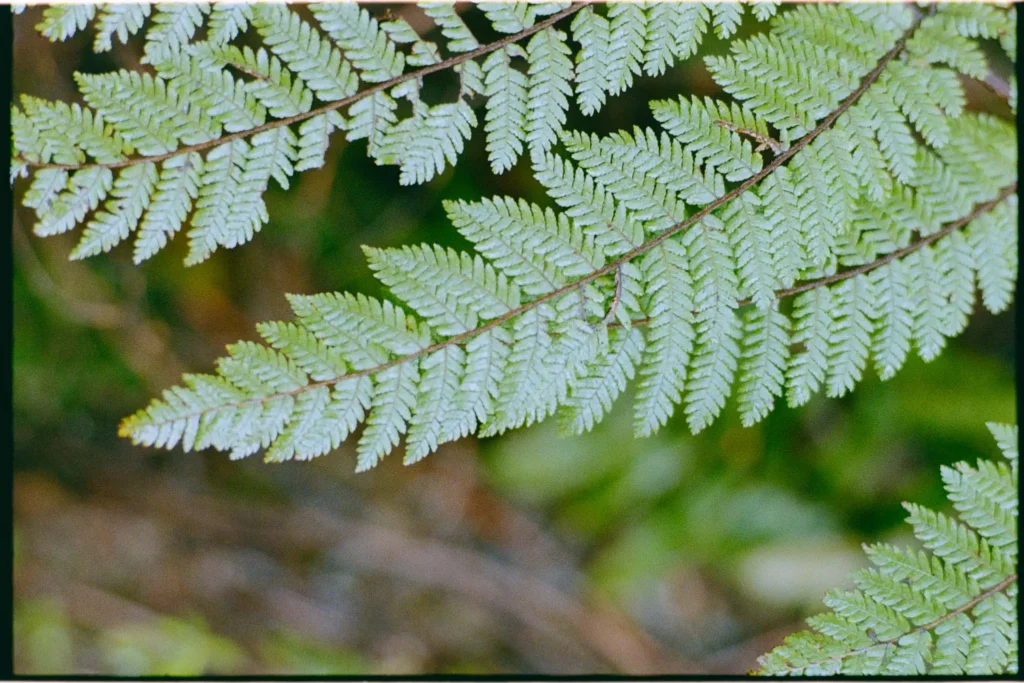
I don’t think about this in a scientific way while I’m out walking with a camera, but I can feel the effect. In nature, presence comes more naturally. Sometimes it even feels quietly spiritual. I can understand why many early cultures and belief systems were animistic, shaped by a deep connection to the landscapes around them. When you slow down and really pay attention, it’s hard not to feel part of something larger.
I’ve written before about photography as a form of meditation and how it helps calm an overactive or anxious mind, particularly in the context of ADHD and mental overwhelm. This post builds on that idea, but focuses more on the practice of mindful photography itself — how slowing down, engaging the senses, and letting go of expectations can help you become present while shooting, and in turn shape how you see and respond to the world through the camera.
If you’re interested in the more personal, mental-health side of this, you can read that post here: Photography as Meditation: How It Helps Calm the Mind.
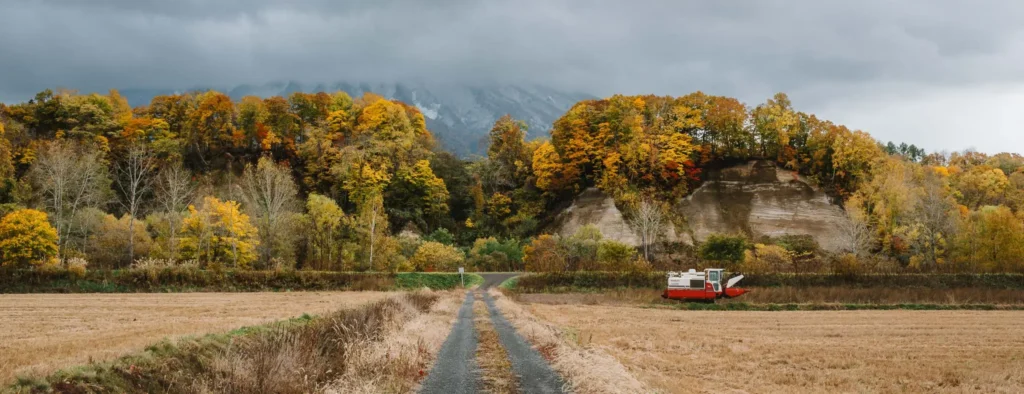
Starting Slow and Engaging the Senses
I usually begin with a gentle walk or by simply sitting somewhere quiet. Before I even think about taking photos, I try to engage my senses.
I listen to what’s happening around me — wind, birds, distant sounds.
I notice what I can feel on my skin — the temperature, the breeze, the ground beneath my feet.
I look around without intention — light, shapes, textures, movement.
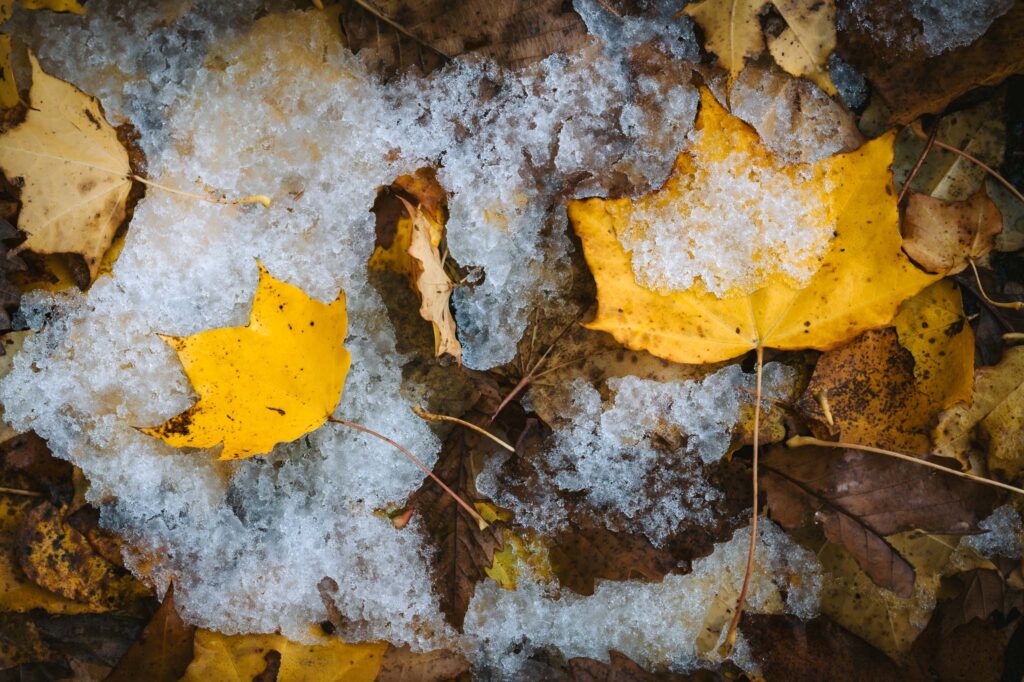
Trees, stones, bark, leaves, shadows — whatever is there.
This isn’t about searching for a photo yet. It’s about tuning in to what’s already happening and allowing my awareness to shift outward instead of being stuck in my head. I find this much easier in a quiet place, somewhere I can wander slowly without pressure. A simple photo walk is often enough.
Just Start Shooting — Without Expectations
Once I feel a little more settled, I’ll start taking photos.
At first, I don’t worry about whether the photos are good or not. I just photograph what catches my eye — something interesting, something that feels right in that moment. I’ll often take a few quick frames and then play around a bit: different angles, different compositions, moving closer or further away.
The first few photos are often awkward or forced, and that’s fine. I’ve learned not to judge that stage. Once my eye “switches on,” it becomes easier and easier to see photographs. Eventually, it can feel like I can’t stop noticing things worth shooting.
And honestly, the photos themselves don’t really matter at this stage.
What matters is the process — being present, enjoying the act of seeing and responding to the world. The end result is secondary.
Shoot for Yourself, Not for Others
One of the most important parts of mindful photography is letting go of judgment.
Don’t take photos of what you think others will like.
Don’t take photos based on trends or expectations.
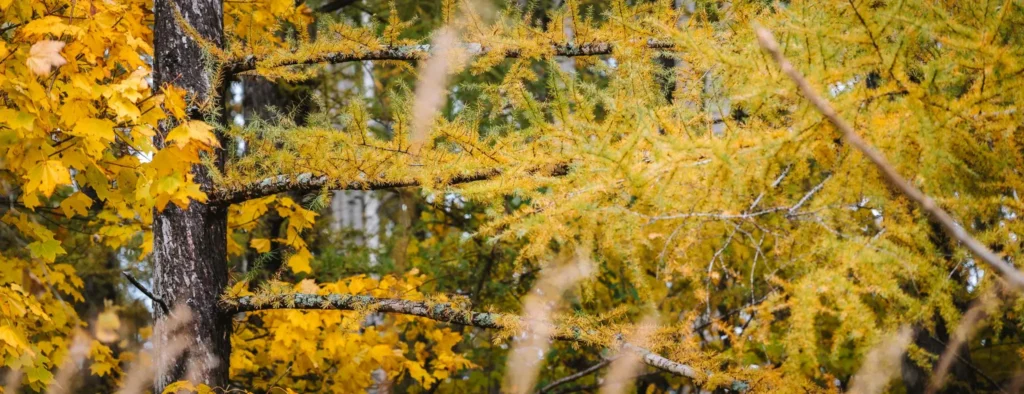
Take photos of what you notice. What draws your attention. What feels good to photograph in that moment.
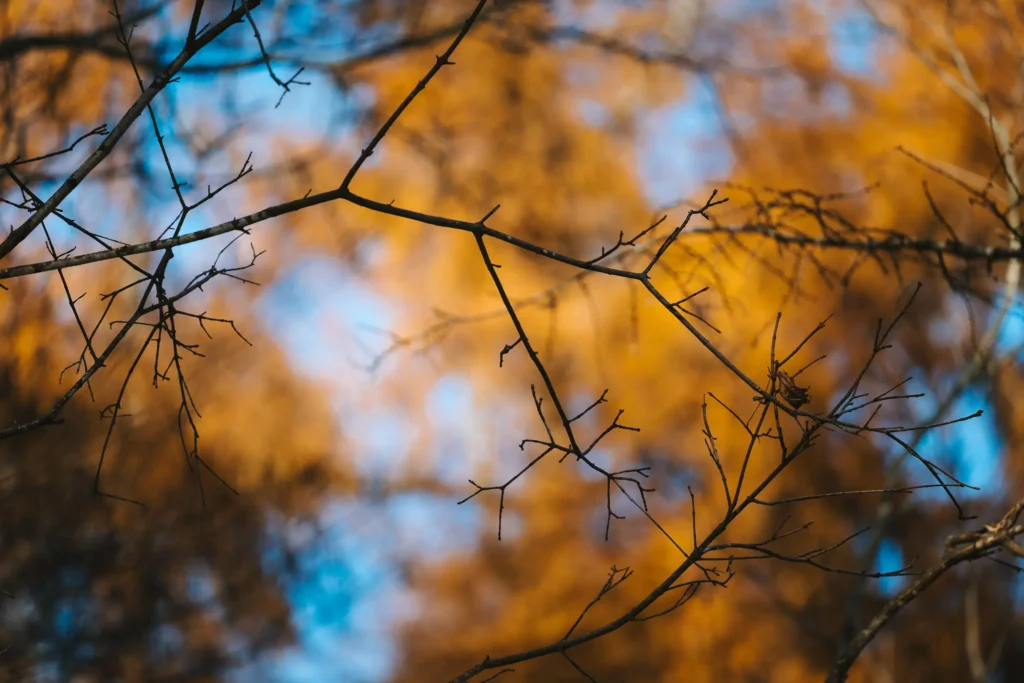
Sometimes that might be tree bark. Sometimes a single leaf. Sometimes something that looks completely random from the outside. It doesn’t matter.
This isn’t for anyone else. It’s for you.
If someone walked past and thought, Why are they taking a photo of that? — that’s irrelevant. Mindful photography is about what you see and feel, not about how it looks to others.
Forget the Rules and Keep the Gear Simple
This approach works best when you remove as many mental obstacles as possible.
Use gear you’re already familiar with. It doesn’t matter if it’s a phone, a DSLR, or a mirrorless camera. What matters is that you’re not distracted by menus, settings, or technical decisions. The camera is simply a tool to frame what you see.
Forget photography rules.
Forget the rule of thirds.
Forget what you “should” do.
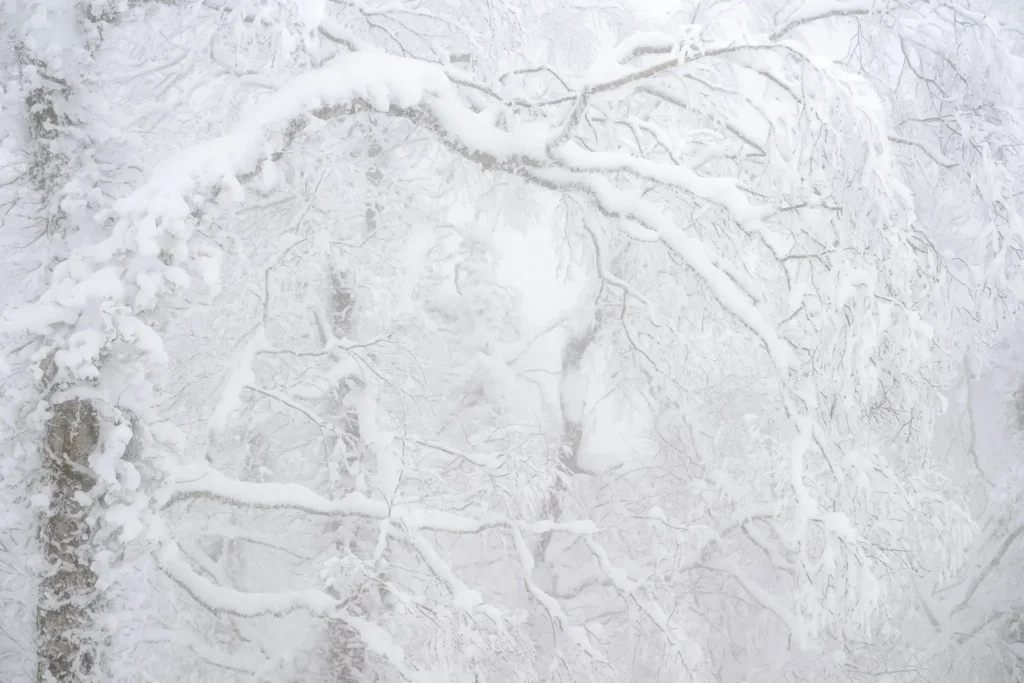
If something looks or feels right to you in that moment, that’s enough.
If You Struggle to Be Present
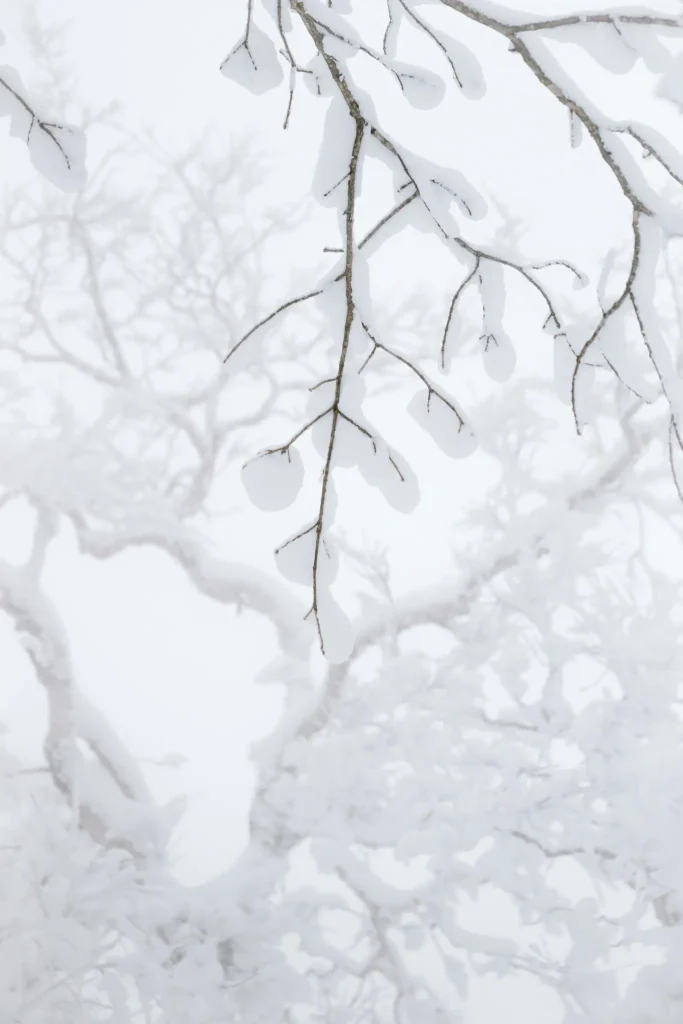
Some days, it’s harder to settle into the moment — and that’s normal.
When that happens, I find it helps to actively ground myself by taking notes. That might mean mentally naming what I can see, hear, and feel, or even recording a quick voice note. Writing or speaking can anchor awareness and slow the mind enough to reconnect with the environment.
Reflection: Learning From What Resonates
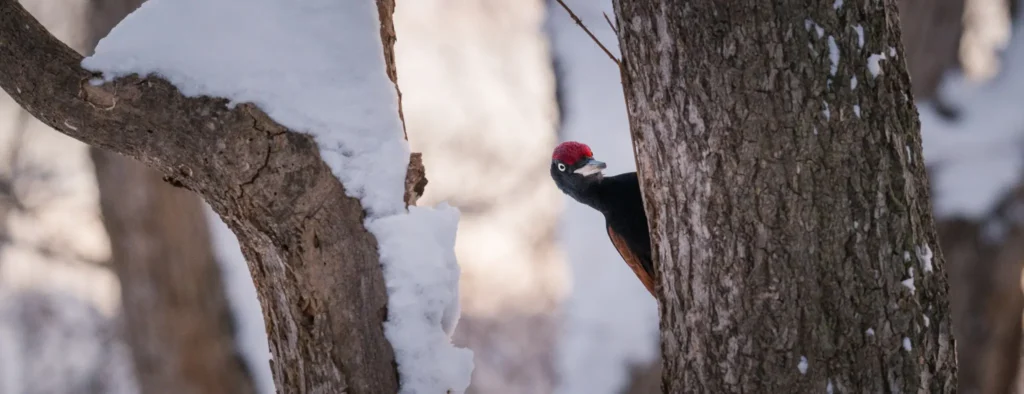
After the walk, I like to review the photos.
Often, I’ll look at some images and think, Why did I even take that? They no longer connect with me at all — and that’s fine. Those images can be ignored.
What’s interesting are the ones that still resonate.
Those are the photos worth studying. Asking questions like:
- What drew me to this?
- What feeling does it give me?
- What was I trying to say when I took it?
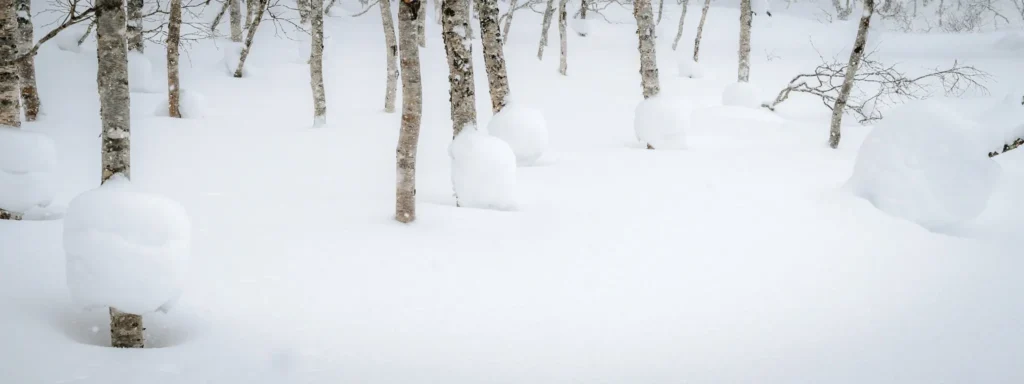
This reflection isn’t just useful for mindful photography — it improves all photography.
In fact, learning to see what you want to photograph — and learning how to visualise the final image — is part of that bigger journey of becoming a stronger photographer, as I discuss more in this post about why you can’t visualise the final image yet.
Over time, this practice has quietly shaped how I work. I notice light more easily, trust my instincts more, and worry less about whether an image fits a particular idea of what it should be.
Completing the Process With Prints
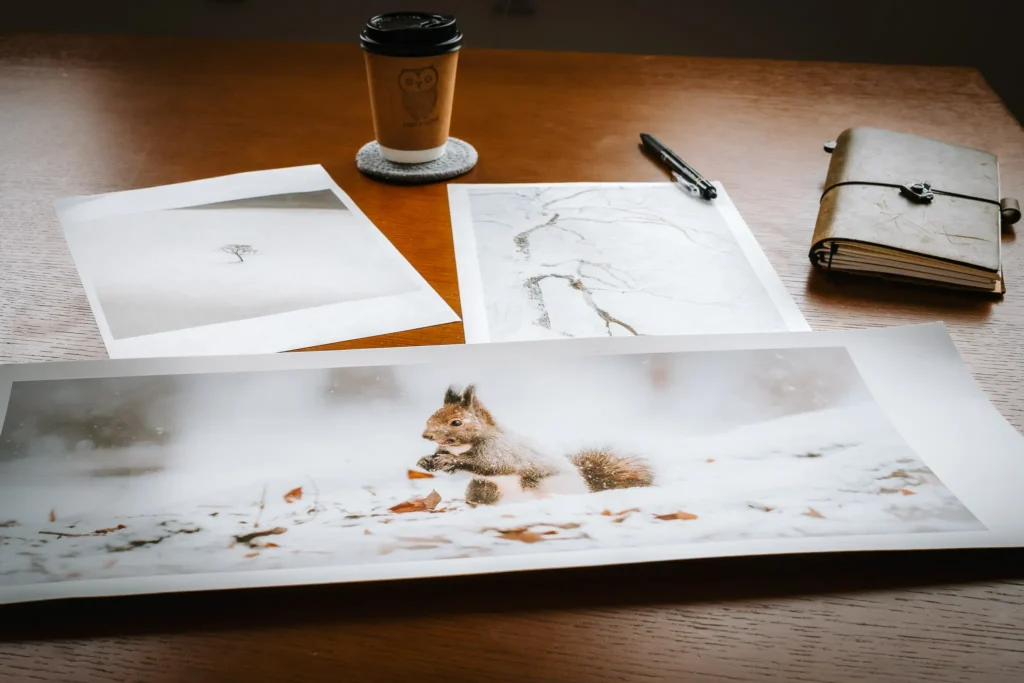
For me, printing is an important final step.
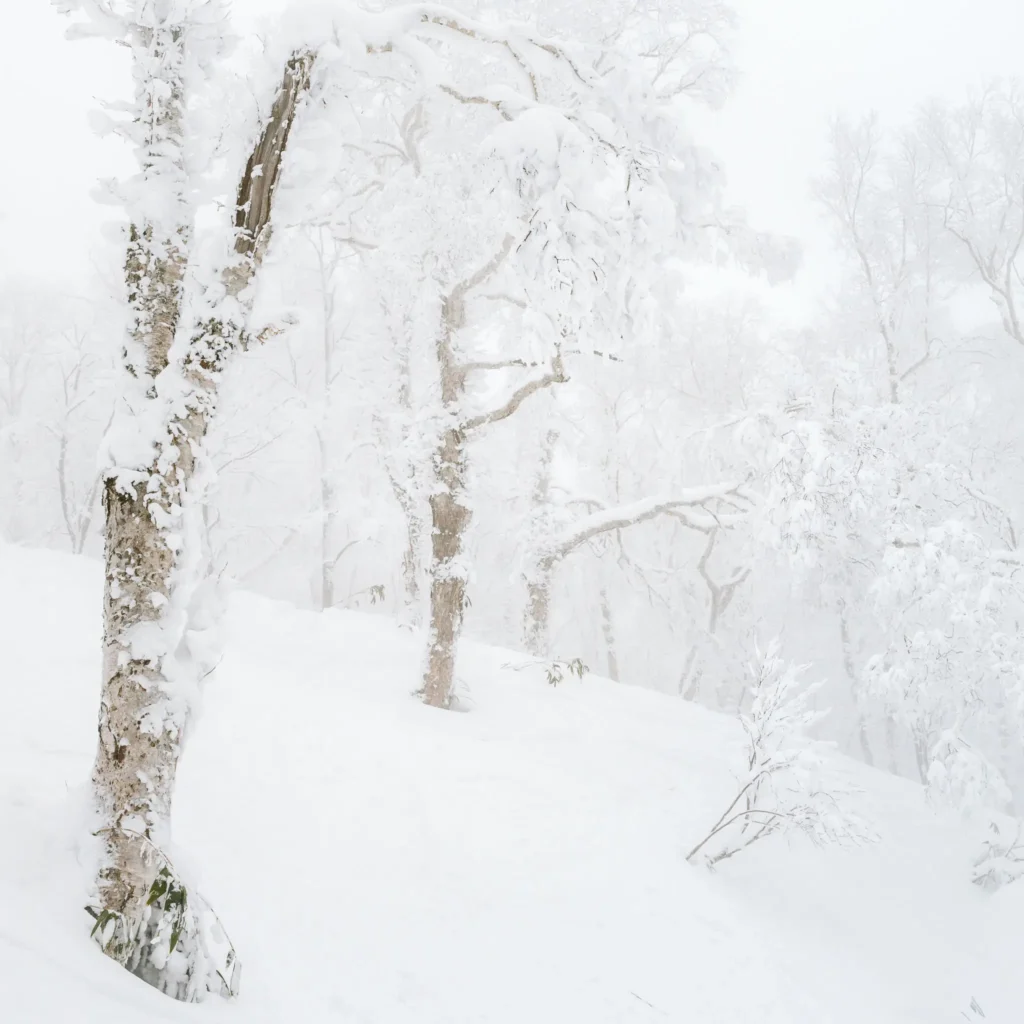
Holding a physical print feels like completing the process. It’s tactile and real — very different from quickly scrolling past an image on a screen. Sitting down with a print allows me to slow down again, study it properly, and connect with it on a deeper level. That connection is harder to achieve digitally.
Editing — Optional, But Meaningful
Some people hate editing, and that’s completely fine. If editing doesn’t appeal to you, shoot JPEG and use the photos as they are.
Personally, I sometimes enjoy editing — especially when approached mindfully. Sitting down with good music, taking time to study an image, and gently shaping it to bring out the feeling I experienced when I took it can be deeply satisfying.
Again, it’s not about perfection. It’s about engagement.
Final Thoughts
Mindful photography isn’t about productivity, results, or validation.
It’s about presence.
Slow down.
Shoot what feels right.
Let go of judgment.
If you do that consistently, not only will photography become more enjoyable, but you’ll also start to understand your own visual language more clearly — and that carries over into every kind of photography you do.
If this way of slowing down and paying attention resonates, you’ll find more reflections like this throughout the rest of the blog, where I explore photography as an ongoing process of learning how to see. If you’d like to follow along with future posts and photo journeys, you can also sign up to the newsletter to hear about new work as it’s published.