
Ski Photography Tips: How to Photograph Skiing with Best Gear, Settings, and Techniques
Some of the links in this post are affiliate links. If you buy something through them, I earn a small commission at no extra cost to you. It helps support this blog and the work I put into creating these guides. I only recommend gear I personally use and trust.
If you’re looking for ski photography tips, this guide will help you capture everything from carving turns to powder shots while making the most of your gear and camera settings.
One of the main reasons I started getting into photography was to take photos of skiing. Little did I know the rabbit hole it would lead me down as I got more and more into photography.
The ways to capture good ski photos vary a huge amount and depend on your creative vision and the sub-genre of skiing you are trying to capture.
Telling the Story Through Ski Photos
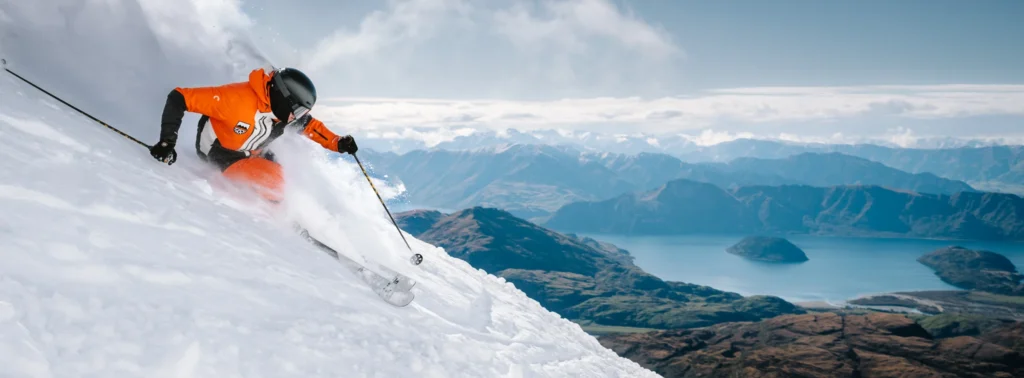
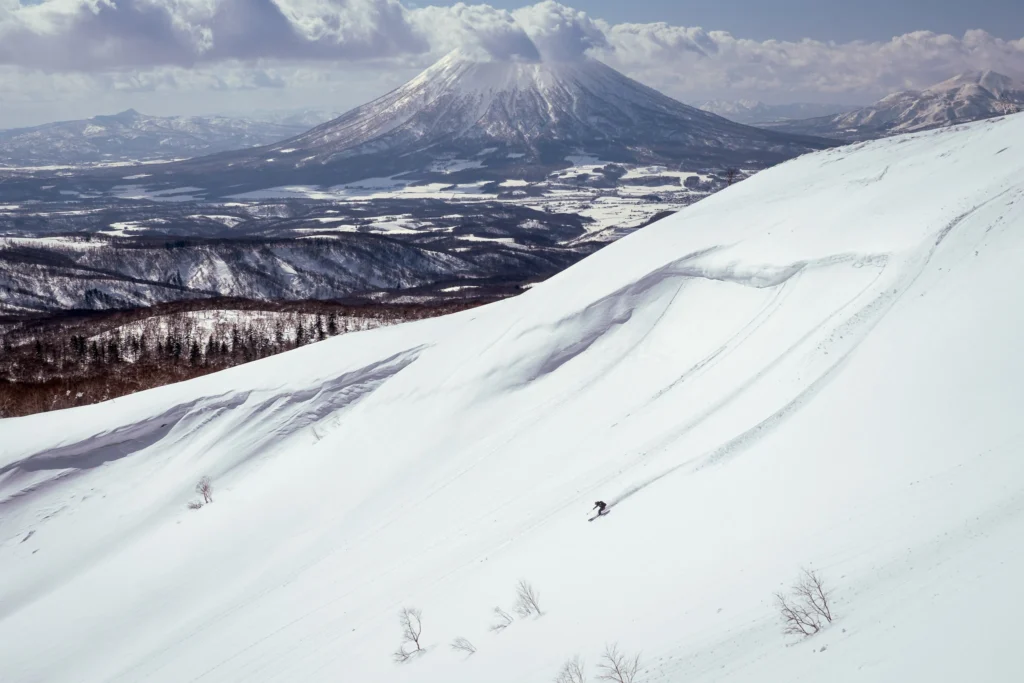
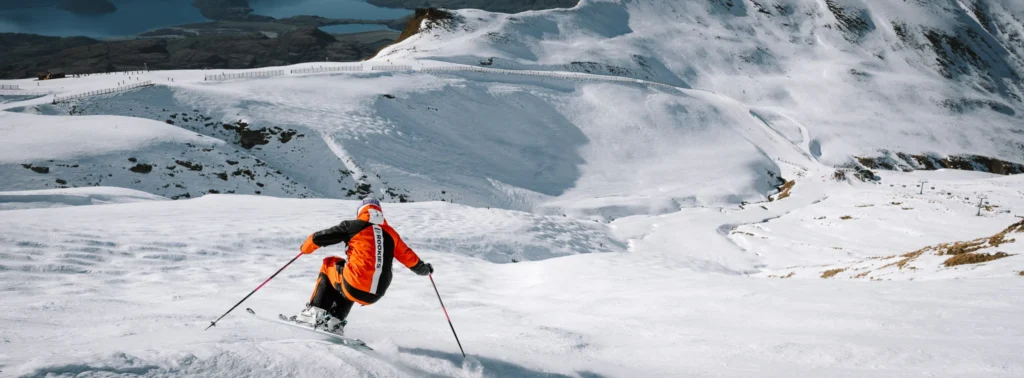
Some of my favorite ski photos show good, strong ski technique (this is the ski instructor in me), and also show the environment around the skier — like the forest, snow conditions, surrounding mountains, or the view below. This helps tell a story bigger than just the skier: it’s about the skier traveling through and engaging with the environment.
If your subject is not a strong skier, I suggest especially focusing on the larger, wider story — not a super tight photo that will highlight bad technique. Tight shots can be great, but the skier’s technique has to be on point. These ski action shots often work best when the skier is both technically strong and well-framed in their surroundings.
Learn to Ski Before Photographing Skiing
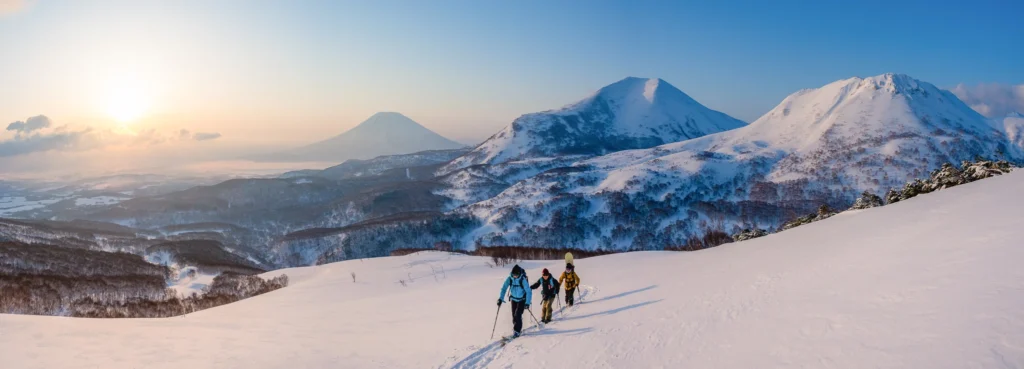
The first thing to get right is to make sure you can ski (or learn to ski). You’ll need to access places around ski areas or in the backcountry that would be difficult to reach if you are not a strong skier. The stronger the skier you are, the more places you can access, and it also helps you recognize what good skiing looks like. I recommend getting lessons, even if you’re already decent, so you understand ski technique and why it matters in photos.
Camera Gear for Ski Photography
If you want the best ski photography gear, it doesn’t have to mean the most expensive — but it should be reliable in cold and snowy conditions. Here are some things you should consider when selecting a camera.
Burst Speed
A camera that can shoot in bursts for a decent period of time is helpful, but it doesn’t need to be super fast. Most modern cameras are plenty fast enough for skiing.
I use a Nikon Z8, and when photographing skiing I usually set it to around 7–8 frames per second. For fast skiers, maybe 10 fps. Any more than that and you just fill up your buffer and memory cards too quickly, and you end up deleting 90% of the shots. With 7–10 fps I get plenty of options for picking the perfect part of the turn or jump.
It’s important the camera can sustain these speeds for at least 3–4 turns before the buffer fills up. Some cameras slow down after a few seconds, while others can keep going. This depends on the camera buffer and also the speed of your memory cards. I use the Lexar 256GB Professional CFexpress Type B GOLD in my Z8 for the highest burst speeds, and a Lexar Professional 2000x UHS-II 128GB SD card as a secondary card. Both are fast enough for continuous ski shooting without slowing down.
Autofocus
You want a decent autofocus system. Most new cameras from the big brands are good enough now, but some older systems can struggle. I used an Olympus EM1 II, then a Fujifilm X-H2S, and now the Nikon Z8. The Z8 has the highest hit rate, but once I learned how to work with each autofocus system instead of fighting it, all were usable.
Recommended Lenses for Ski Photography
Great for closer range photos, tree skiing, or when you want a smaller one-lens solution (like ski touring in the backcountry). Long enough for most situations and wide enough for environment shots.
Big and heavy, but stunningly sharp. On the 45MP Z8 I can crop heavily without losing quality. The f/2.8 aperture isolates the skier beautifully, though it makes nailing focus harder. It also doubles as an excellent portrait lens between ski shots.
With 1.4× Teleconverter
I sometimes add the Nikon Z 1.4× teleconverter, turning the 70–200mm f/2.8 into a 98–280mm f/4. Quality loss is minimal (about 95% of the original) and autofocus still feels quick. It’s great for tighter shots, shooting a full line from further back, or compressing the background.
Weather Sealed Gear is Essential
I always use weather-sealed equipment. In New Zealand or Europe, sunny clear days make this less of an issue. But in Japan, it’s often snowing hard. I’ve had my gear out in all kinds of weather and never had issues thanks to weather sealing. I wouldn’t trust non-sealed gear in heavy snow.
For tips on handling gear in sub-zero conditions, check out my Winter Photography Guide.
Camera Settings for Ski Photography
If you’ve ever searched for the best camera settings for ski photography, here’s what I recommend:
Shutter Speed
I usually start around 1/1000 sec — fast enough to freeze action and keep skiers sharp. If I want motion blur, I go slower. If it’s very bright, I might go faster to avoid overexposure.
Aperture
- f/4–5.6: My go-to range. Forgiving for focus, still gives subject separation.
- f/2.8: Strong separation, but harder to nail focus.
- f/8 or higher: To show more environment.
ISO
I now mostly use Auto ISO. It gives me flexibility to keep shutter and aperture where I want. In the past I kept ISO locked at base, but modern sensors + DXO PureRAW make higher ISOs much cleaner and noise free.
Exposure Compensation
I often overexpose by around +0.3 to +0.7 stops in snow. Cameras tend to meter snow too dark, making it look grey. Adding a little exposure helps keep snow looking white and can save time in post, especially in flat light conditions. If you don’t do this and you shoot RAW it’s still easy to fix later, but overexposing slightly can give you cleaner results out of camera. I always keep histogram or highlight warnings on to avoid blown highlights.

How to Photograph Carving Turns
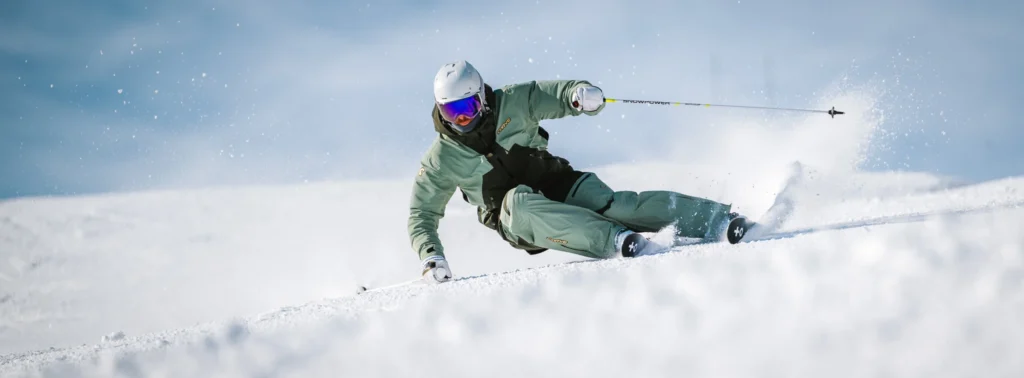
For carving shots, find a section with 3–4 turns towards and past you. A single turn is risky — the skier may mess it up or miss the exact spot. Giving them multiple turns increases your chances of getting good photos.
Use a zoom lens and slowly pull back as they come closer while shooting. A parfocal lens helps keep focus when zooming. This is where pro 70–200mm lenses have an edge.
Think about background, slope, snow, and light direction. Contrast in the background — trees, sky, shadows — adds interest. Backlit spray against a dark background can look dramatic.

How to Photograph Powder and Off-Piste Skiing
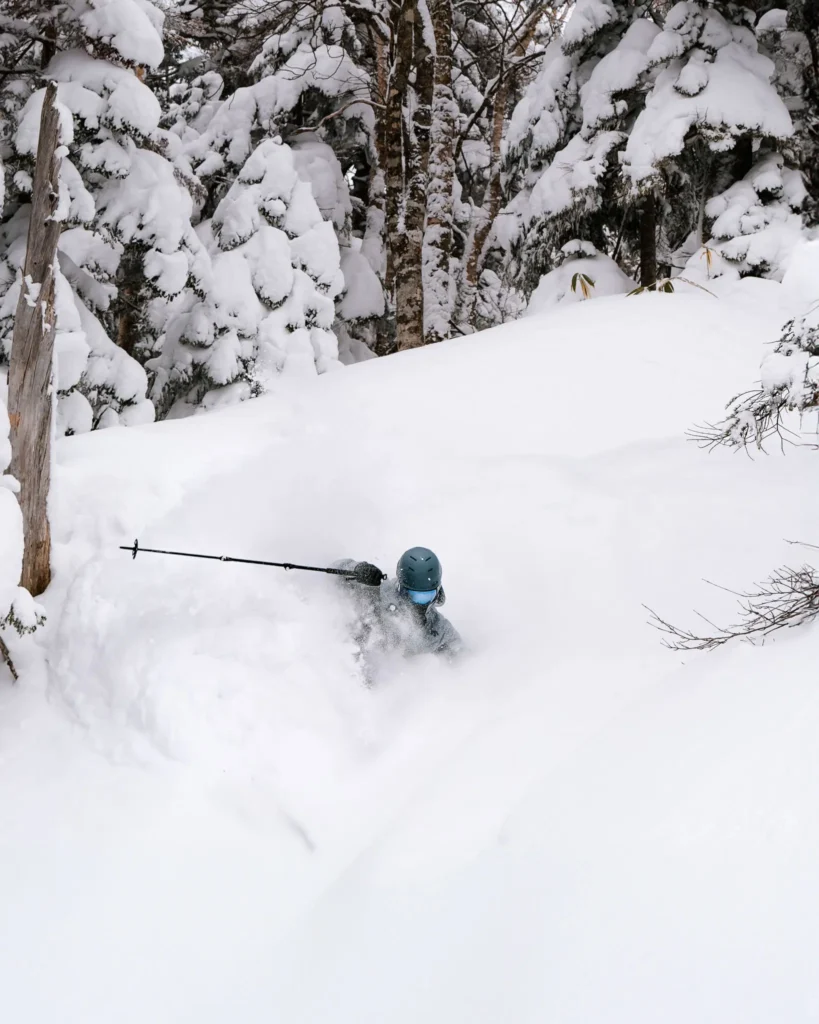
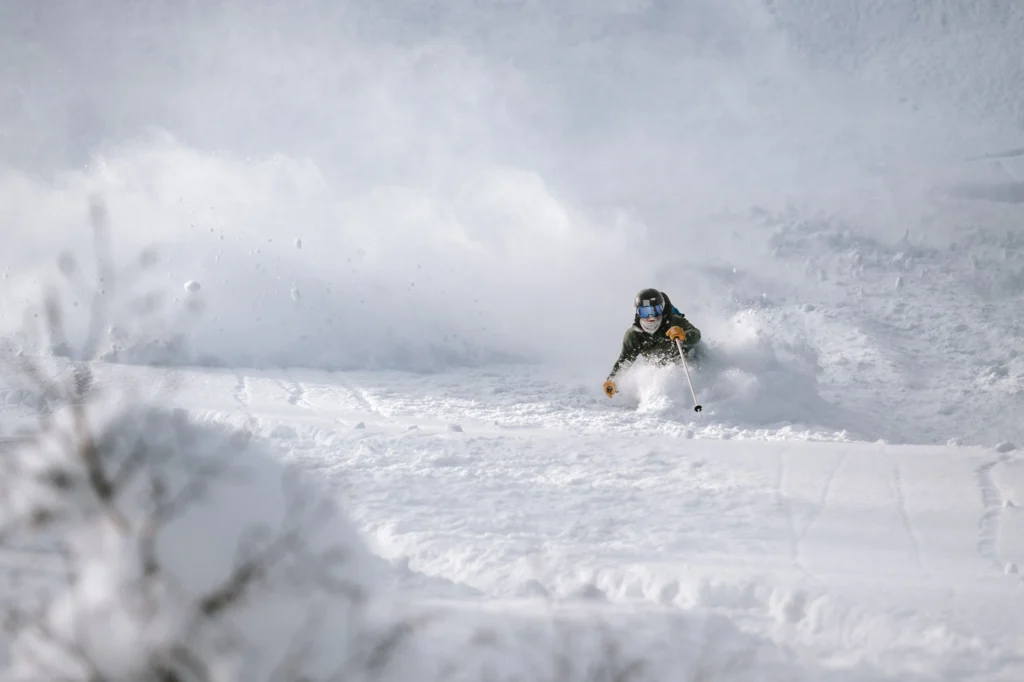
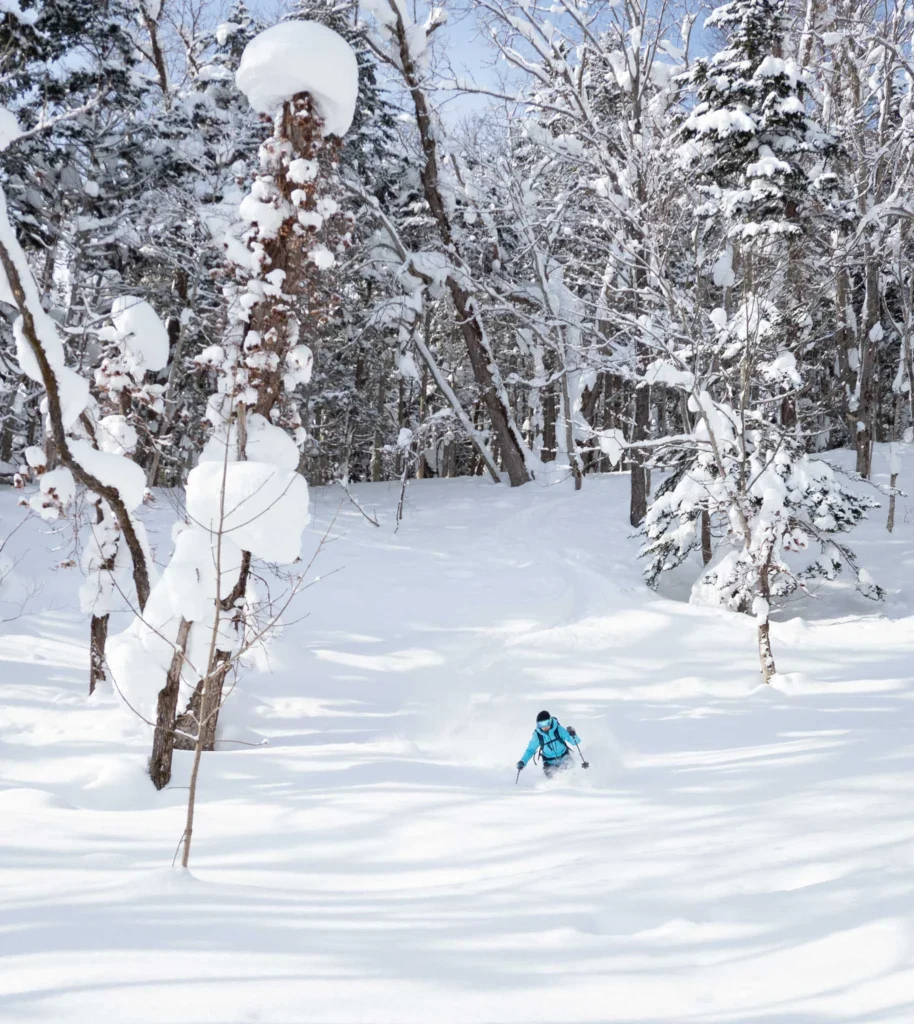
If you’re lucky enough to have powder, use it! I’m based in Japan, so I’m spoiled with deep snow. Powder can hide bad technique since snow spray covers mistakes, making average skiers look better. This kind of powder skiing photography is some of the most rewarding.
- In open powder fields, give skiers a general area to ski and shoot bursts through multiple turns.
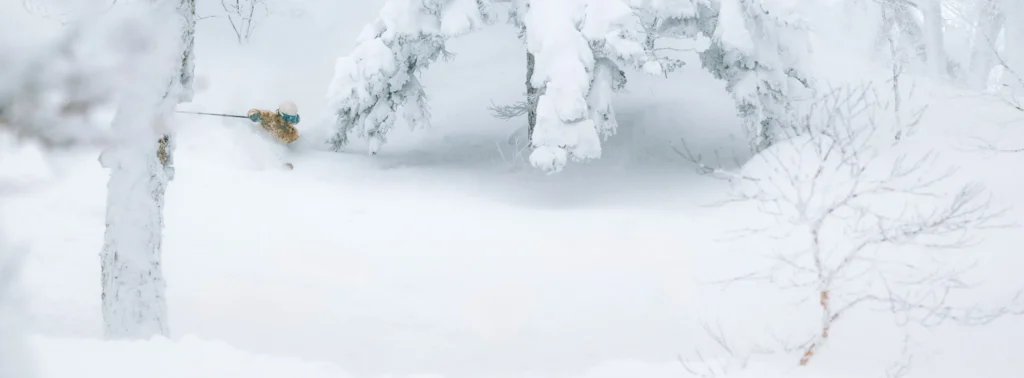
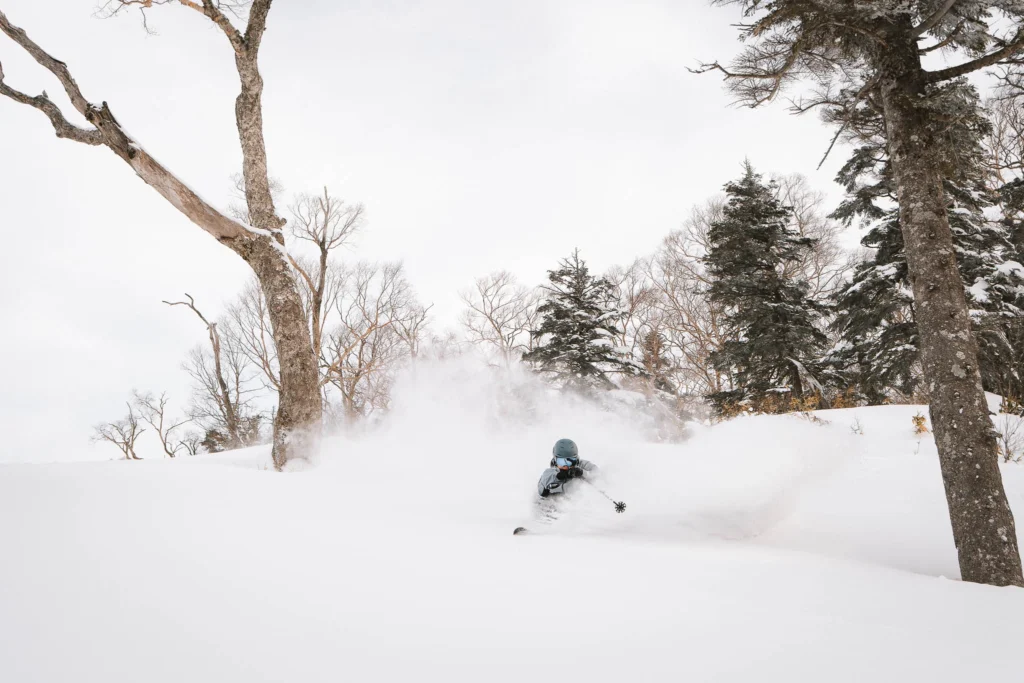
- In trees, position yourself near interesting trees to frame the skier and tell a story.
- If tracks cover the slope, find fresh patches and direct the skier exactly where to turn.
Storm days can actually be better than bluebird — falling snow, fog and contrast with trees add atmosphere. Some of my best ski shots are from “bad” weather days.
Composition and Angles
- Decide how wide or tight you want the shot based on the story.
- Think about height: shooting low emphasizes sky, trees, and snow in the foreground. Shooting high simplifies backgrounds.
- Foreground elements (branches, snow spray) can add depth.
- Just be careful when getting low that you don’t get run over by other skiers — safety first.
Storytelling in Ski Photography
Think about the story you want to tell:
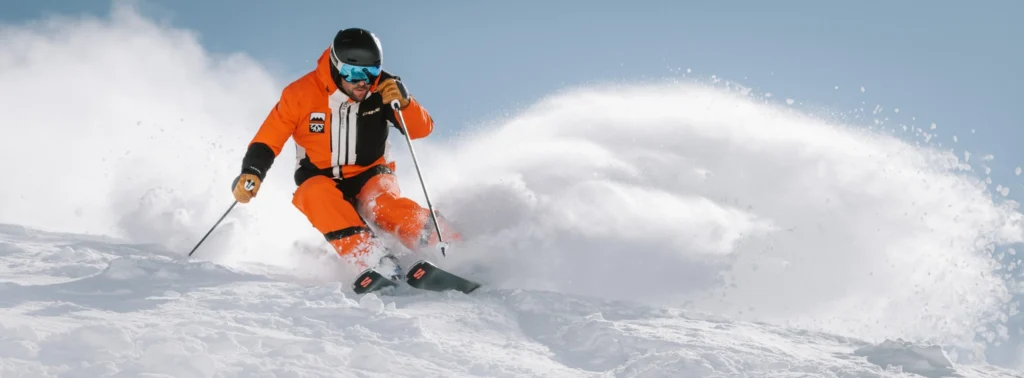
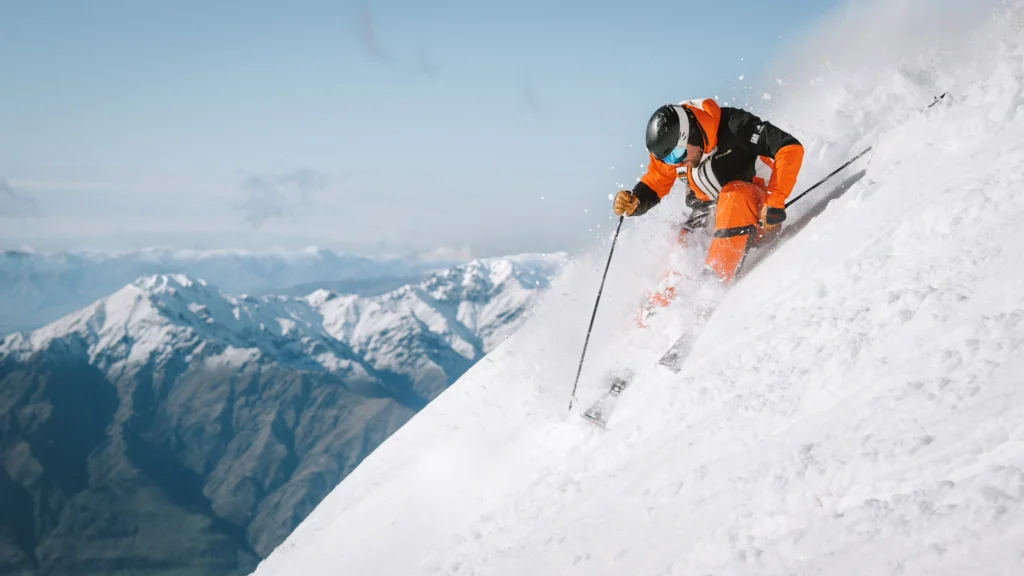
- Carving shots: Strong technical skiing, spray, bent skis, high edge angles, dynamic movement.
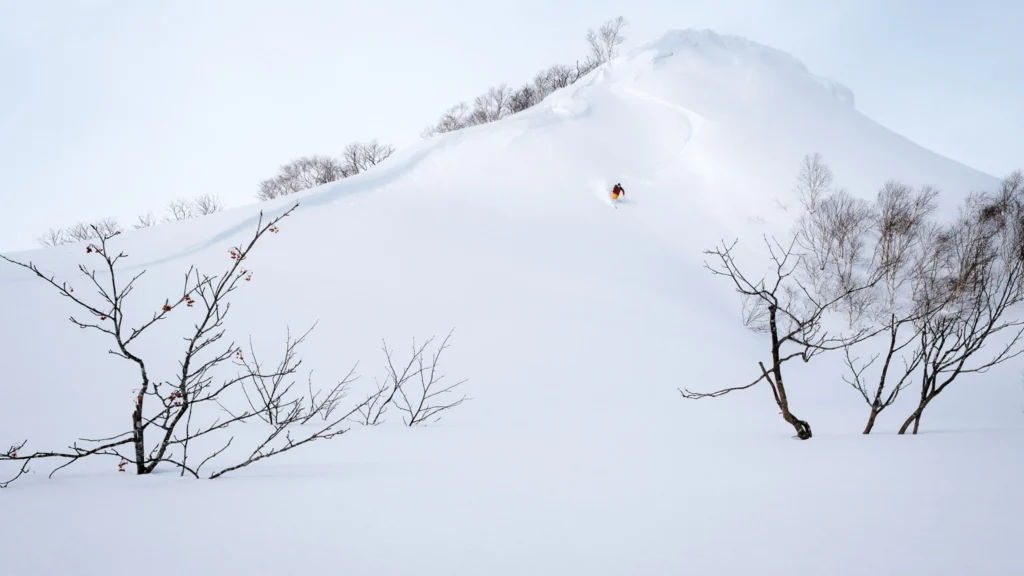
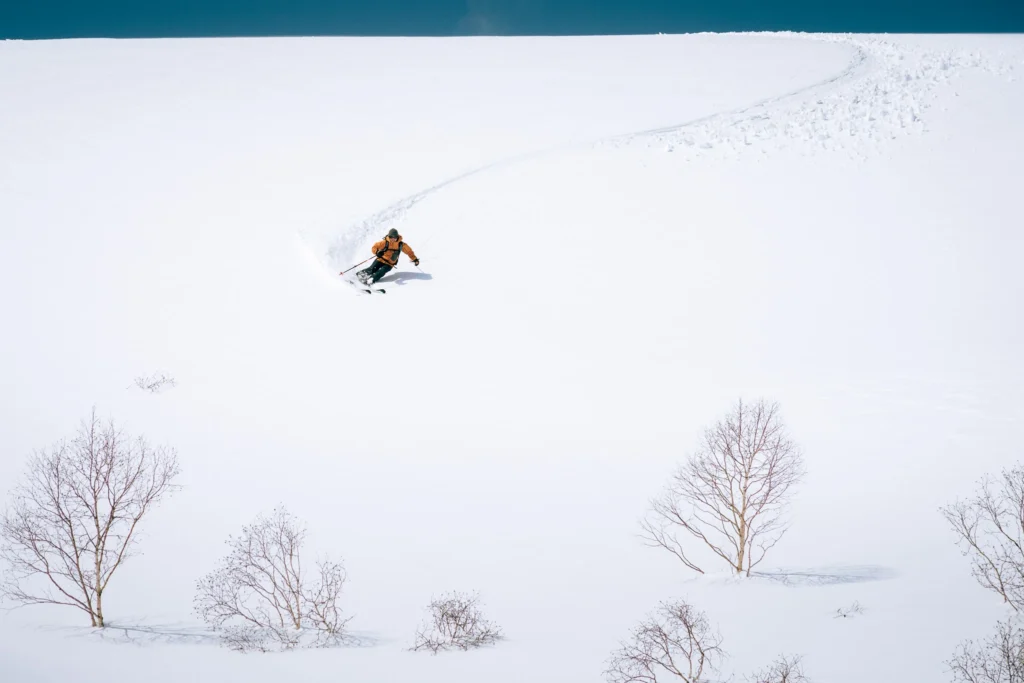
- Powder/off-piste: Highlight the environment, showing the skier as a small part of a vast frozen world.
A good background can take a shot from average to great: a blue sky, mountain ridges, or even lifts that place the skier in context.
Final Thoughts
Ski photography isn’t just about gear and settings. It’s about blending technical skills with the story of the skier and the mountain. Practice, experiment with angles, and pay attention to the environment around your subject. That’s where the magic happens.
If you enjoyed this guide, explore the rest of my blog for more ski photography tips, location guides, and stories from the mountains. You can also sign up for my newsletter below to get updates whenever I publish new posts and guides. And I’d love to hear from you — leave a comment below with your own ski photography experiences or questions.
FAQ: Ski Photography
- What shutter speed is best for ski photography? Around 1/1000 sec is a safe starting point to freeze action. Go slower for creative motion blur, or faster on very bright days.
- What lens is best for ski photos? A 70–200mm is versatile for most ski shots, while a 24–120mm is great for all-round use and backcountry tours. Add a teleconverter if you need extra reach.
- Do I need a fast camera for ski photography? Not extremely fast — 7–10 fps is usually enough to capture turns and jumps without filling the buffer too quickly.
- How do I photograph skiing in flat light? Slightly overexpose (+0.3 to +0.7), use trees or contrast in the background, and embrace atmosphere from snow or fog.
- Is weather-sealed gear necessary? Highly recommended in snowy conditions. It keeps your equipment safe when shooting in storms or heavy snowfall.