Nikon Z8 Review After 18 Months: Real-World Wildlife, Landscape & Ski Photography
This article contains affiliate links. If you purchase through them I may earn a small commission at no extra cost to you.
I’ve been using the Nikon Z8 for about 18 months now. I use it for landscape photography, wildlife, ski photography, and occasional video work here in Japan — mostly stills, but increasingly a mix of both.
This isn’t a spec-sheet breakdown. There are already plenty of those online.
Instead, this is a real-world Nikon Z8 review after using the Z8 professionally through heavy snowfall, -20°C winter days, high-volume ski shoots, wildlife in messy forests, and long editing sessions afterwards. What matters to me isn’t just megapixels or burst rates — it’s reliability, editing workflow, autofocus performance, and how well the camera holds up in difficult conditions.
Before the Z8, I was shooting Fuji APS-C bodies, which I genuinely liked. The upgrade wasn’t about chasing specs or changing brands for the sake of it. It was about efficiency and building a system that could keep up with the work I was doing.
After a year and a half of using it in real conditions, here’s what I’ve learned.
Why I Chose the Nikon Z8
Before moving to the Z8 I was using Fuji APS-C cameras. They were great cameras and I still like the Fuji system. The size was excellent, image quality was good, and I produced plenty of work with them.
But as my workload increased, especially ski photography where I might edit hundreds of images from a single shoot, my workflow started slowing me down.
When I decided to move to full frame, I looked seriously at Sony and Canon as well.
Sony was tempting because of the compact size of their full-frame bodies. But I live in Japan, and Sony cameras sold here are locked to Japanese language unless you buy the international version. Finding a used Sony body that could switch to English would have been extremely difficult. That became a genuine annoyance and ruled Sony out for me.
Canon was also high on my list. The R5 looked like a great option — high resolution, fast autofocus, and widely available used. But once I looked at RF lens prices, the total system cost quickly went beyond my budget.
Nikon ended up being the best balance.
The Z8 gave me:
- High resolution for cropping flexibility
- Fast autofocus for wildlife and skiing
- A strong lens lineup
- Good used prices in Japan
- The ability to use older F-mount lenses with the FTZ adapter
I was able to build a professional kit that fit my budget while still giving me the performance I needed.
The main hesitation was size. Compared to my previous setups it was definitely bigger. I used to obsess about having the smallest camera possible because I ski, hike, and bike with my gear.
In the end I decided the performance trade-off was worth it, and if the size ever really bothered me I could always add a smaller second camera later.
Editing Workflow: The Biggest Upgrade
The biggest reason I upgraded wasn’t megapixels or autofocus.
It was editing efficiency.
With my Fuji RAW files, Adobe Lightroom never handled them particularly well. To get the files looking how I wanted, I would run everything through DXO PureRAW first.
That meant:
- Converting large batches of files into DNG
- Extra processing time
- Large additional files taking up disk space
- A longer overall workflow
On a big ski shoot I might have a few hundred images I want to edit. Running all of those through DXO added a lot of time and storage overhead.
With the Z8 files, Lightroom handles them well straight away.
I still use DXO occasionally — mostly for higher ISO shots around ISO 5000 or above — but for most images it’s no longer necessary.
Even though the Z8 produces larger 45MP RAW files, I actually save disk space overall because I’m generating far fewer DNG conversions.
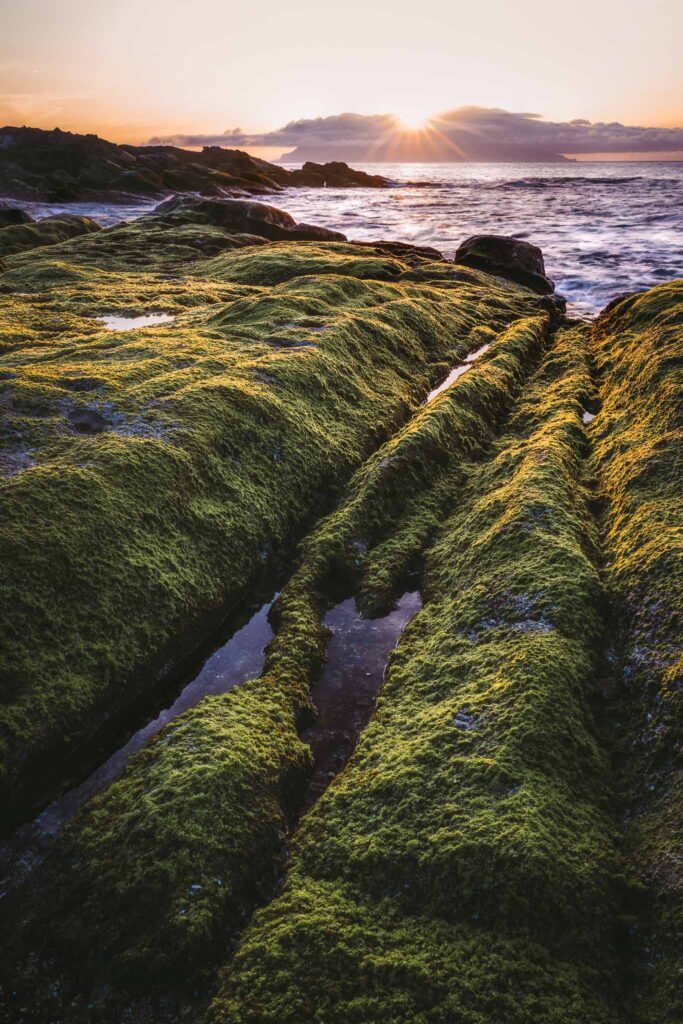
Image Quality & Dynamic Range
Another big difference is dynamic range.
With my smaller sensor cameras I would bracket landscape exposures quite often to capture the full dynamic range of a scene, then merge them later in post.
That works well, but when you have lots of photos it adds a lot of extra work.
With the Z8 I rarely bracket unless it’s an extremely high contrast situation.
The files allow me to push and pull adjustments much more in Lightroom:
- Shadows recover well
- Highlights retain detail
- Files tolerate stronger adjustments
This has saved a lot of time blending exposures.
For wildlife photography the higher ISO performance also makes a noticeable difference. I’m comfortable pushing the ISO further than I used to, which helps when shooting in dark forests or low light conditions.
Fuji image quality wasn’t bad at all — I liked it. But the Nikon files are simply faster and easier for me to work with in my current workflow.
Autofocus for Skiing & Wildlife
Autofocus was another major factor in choosing the Z8.
I photograph a lot skiing. If you’re interested in learning more about how I approach photographing skiing, I’ve written a separate guide on ski photography tips, gear, settings, and techniques.
I photograph a lot of:
- Skiers moving quickly toward the camera
- Birds taking off
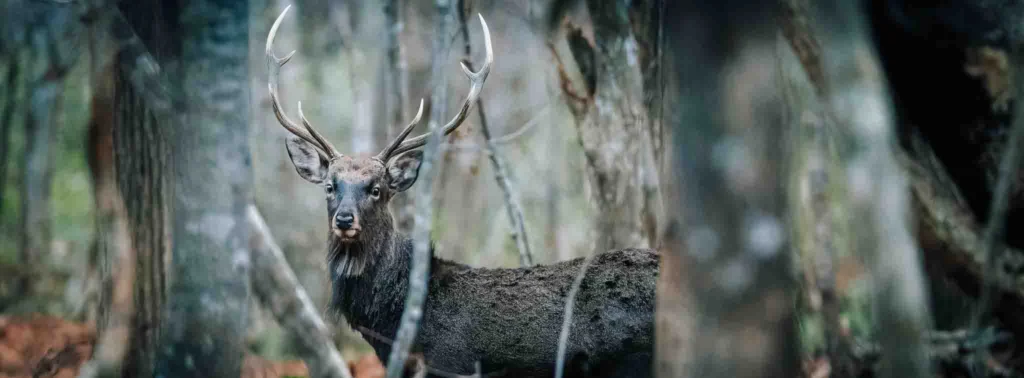
- Wildlife moving through branches and forest
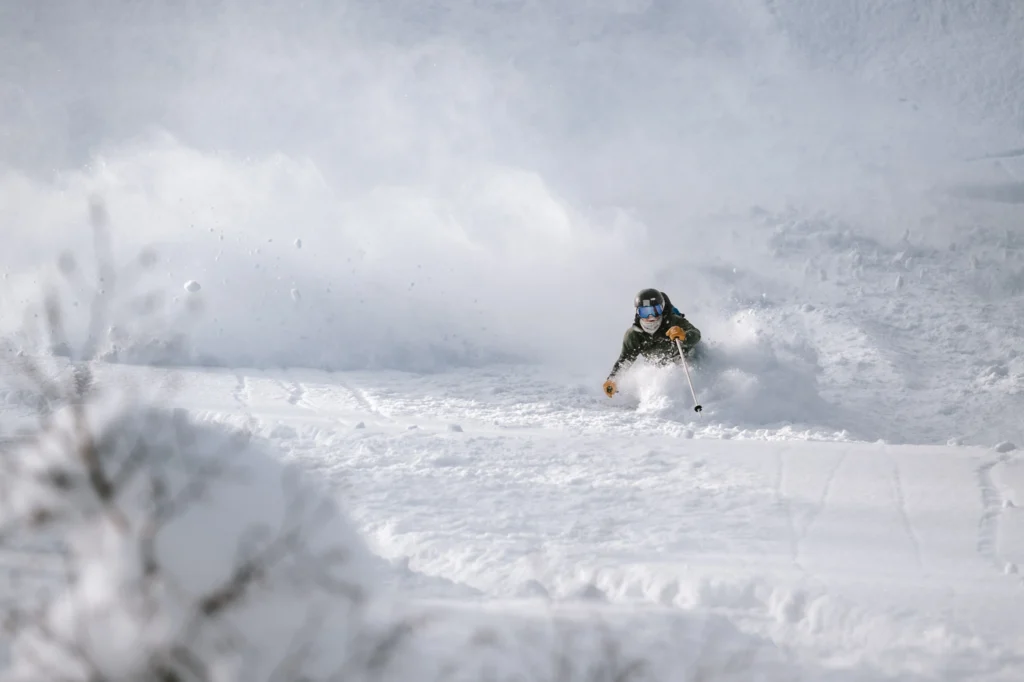
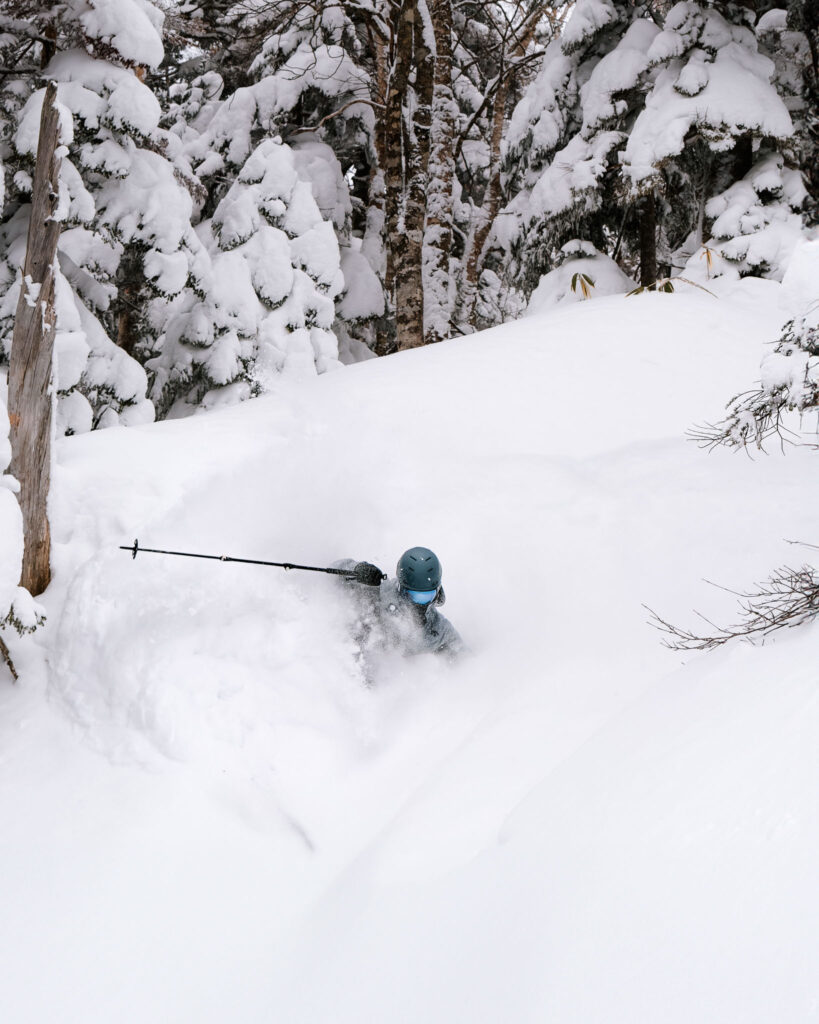
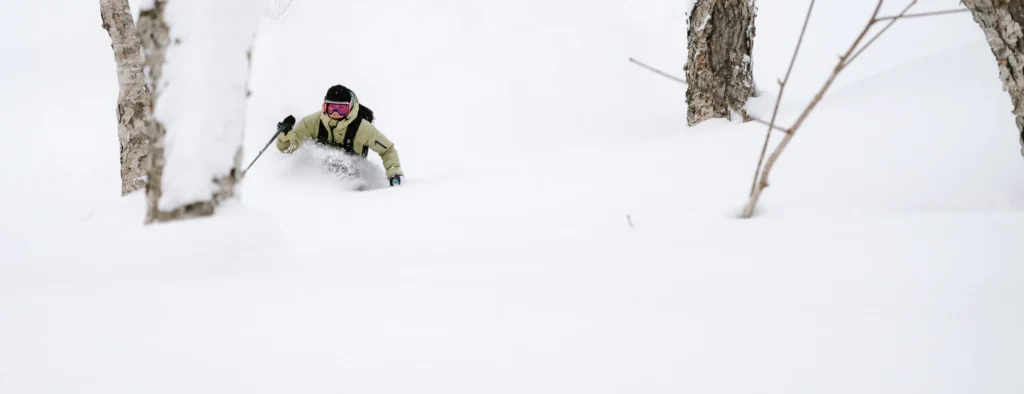
In deep Japanese powder, skiers can often be partially buried in snow while wearing helmets and goggles, with snow flying everywhere. It’s a difficult situation for any autofocus system.
The Z8 performs extremely well here.
Combined with custom button setup, it becomes very flexible. Rather than relying heavily on 3D tracking, I prefer using Wide-Area AF modes and assigning different sizes to different buttons so I can switch quickly depending on the situation. I found this more reliable when shooting skiers with helmets and goggles or wildlife moving through cluttered environments.
My autofocus setup looks like this:
- AF-ON button: Wide-Area AF (L)
- DISP button: Wide-Area AF (S) for tighter control when there are distractions
- FN1 button: Single-point autofocus
This lets me quickly switch to a smaller focus area if the camera starts jumping to trees, branches, or snow spray.
For skiing I use human subject detection, and for wildlife I switch to bird or animal detection depending on what I’m photographing.
I generally shoot in AF-C with back button focus, with AF-C priority set to Focus + Release. My Focus Tracking with Lock-On is set to 3 with subject motion set to Erratic, which seems to be a good balance for subjects that can suddenly change speed or direction.
So far this setup has worked very well for both skiing and wildlife photography.
This lets me quickly switch focus modes if the camera jumps to distractions like trees or snow spray.
For birds or fast-moving wildlife, this flexibility makes it easy to regain focus quickly while shooting bursts.
The Z8 performs extremely well here. The stacked sensor also allows fast burst shooting. It can shoot RAW bursts up to 20fps, which is more than enough for action. For skiing I usually shoot around 10fps, and for fast wildlife I increase that to around 20fps.
Cold Weather Performance
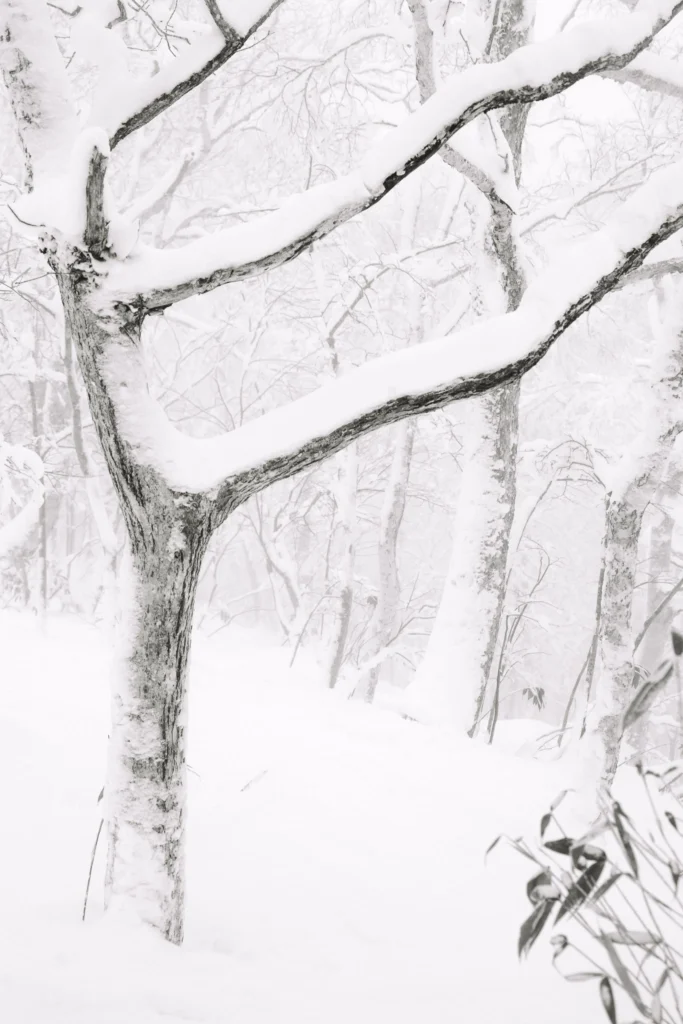
Most of my photography happens in winter, often in heavy snowfall and temperatures down to around -20°C or lower.
In those colder conditions I haven’t noticed any dramatic drop in battery life. Batteries naturally perform worse in cold weather, but so far the Z8 batteries have held up well for me. I still carry spare batteries in a warm pocket just in case, but overall battery performance has been very solid.
Durability in wet snow has also been impressive.
One day in Central Hokkaido it was a massive powder day, but the temperature was a little warmer than usual. Heavy snow was falling and melting on the camera body and lens, leaving everything quite wet.
I had just bought a Z 70-200 lens for that job and was a bit nervous about exposing it to those conditions. But the snow was deep, the skiers were good, and the conditions were perfect for photos — so I kept shooting.
At lunch I wiped the camera down and checked everything. No issues. I kept shooting all afternoon in what was essentially wet snowfall conditions similar to moderate rain.
The camera and lens never missed a beat.
Since then I’ve shot in similar conditions multiple times. After each shoot I dry the gear carefully and store it properly, and so far I’ve had no fungus or any long-term issues caused by moisture exposure.
For winter photography in rough conditions, the Z8 has been extremely reliable.
Lens Options
The Z-mount lens lineup has been excellent so far.
My main lenses are:
- 24–120mm f/4 Z – my general purpose workhorse
- 70–200mm f/2.8 Z – mainly for ski photography and occasionally portraits
- 180–600mm Z – dedicated wildlife lens
- 40mm f/2 Z – a small lightweight option for everyday shooting
The 24–120 covers probably about 60% of my photography. It’s versatile enough for landscapes, general travel, and a lot of ski work.
For ski photography specifically, the 70–200 f/2.8 is one of my main lenses. It’s fast, sharp, and works well when I want tighter action shots or separation from the background. I’ll also occasionally use it for portraits.
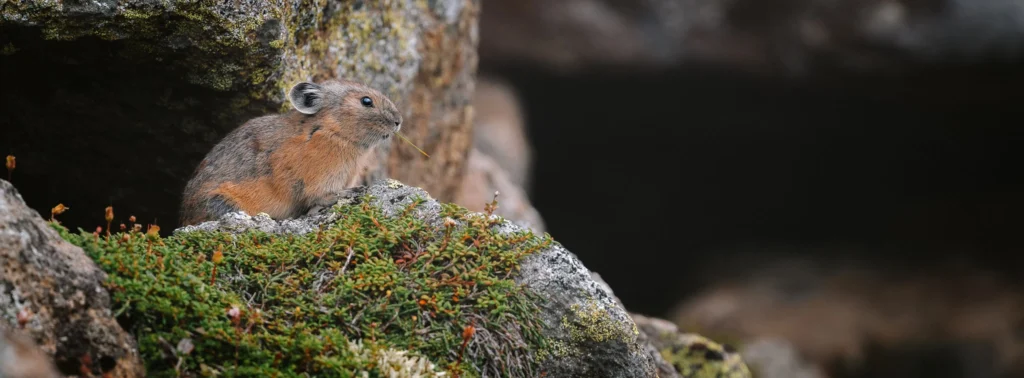
For wildlife, I usually carry the 180–600, but when I want something smaller and lighter I often use an older 300mm f/4 PF F-mount lens with the FTZ adapter. It’s still a fantastic lightweight wildlife lens and works very well on the Z8.
One thing I also enjoy about the Nikon system is how well it works with older lenses. I still have some AI-S manual lenses from my Nikon film camera, and they adapt easily to the Z8. They obviously don’t have autofocus, but they can produce a really nice vintage look that works well for certain portraits.
Being able to mix modern Z lenses, older F-mount glass, and even vintage manual lenses makes the system very flexible.
Video Performance
The Z8 is extremely capable for video — honestly far more capable than I currently need.
It can record 4K up to 120 frames per second in 10-bit, which is great for slow motion. I sometimes use this when filming skiing or wildlife so I can slow the footage down smoothly later.
For most of my video work I shoot in N-Log, which gives a lot more flexibility when grading the footage later. I usually edit and grade video in DaVinci Resolve, and the files hold up well when adjusting contrast and color.
The camera can also shoot 12-bit RAW video if you want the absolute maximum flexibility, but for my workflow 10-bit N-Log has been more than enough and keeps file sizes manageable.
What I appreciate most in real shooting situations is how easy it is to switch between photo and video modes. There’s a dedicated lever near the thumb that instantly swaps the camera from stills to video. When I’m photographing wildlife and suddenly want to capture a short clip, this makes it very quick to react.
The in-body stabilization is also very good, making handheld footage usable when I can’t use a tripod or monopod.
The one thing that does annoy me a little is the screen design. It works great for photography, but it doesn’t fully flip forward for filming yourself. You can connect the camera to your phone to monitor the image, but in my experience the app has been unreliable and slow to set up. A few times I tried using it and eventually just filmed without seeing myself.
Pre-Capture (And Why I Miss RAW)
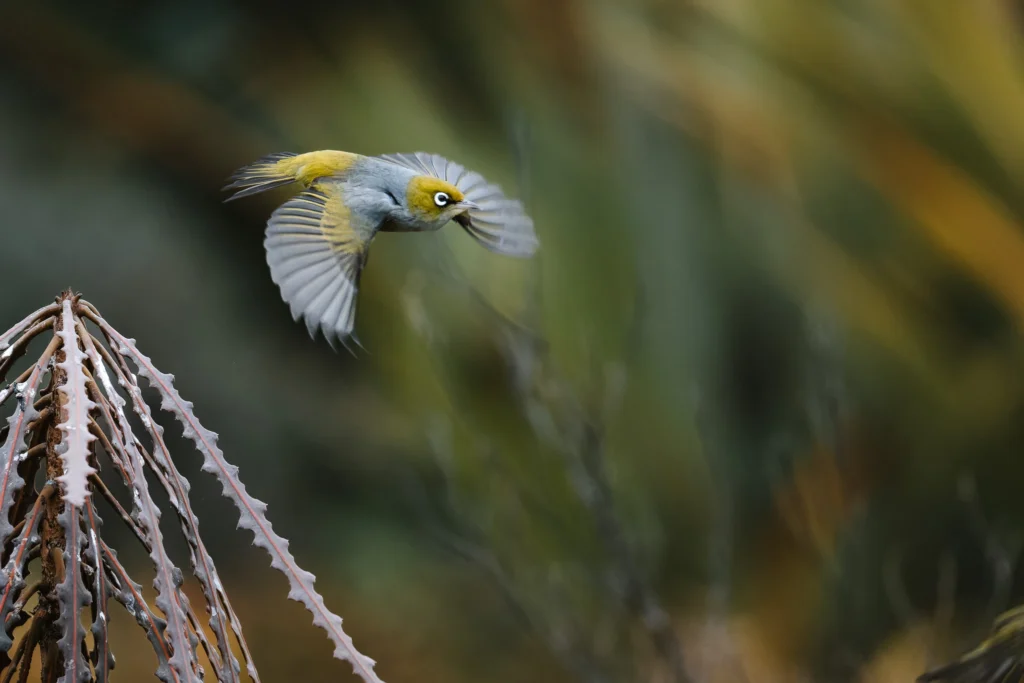
One feature I genuinely miss from my previous cameras is RAW pre-capture.
On Olympus and Fuji cameras I could use pre-capture in RAW, which was extremely useful for wildlife. It allowed the camera to buffer frames before the shutter was fully pressed, helping capture moments like birds taking off.
On the Z8, pre-capture works only in JPEG.
Because I rely heavily on RAW flexibility in editing, I use this feature much less now than I used to. It’s not a deal-breaker, but if RAW pre-capture is a key part of your wildlife workflow, it’s something to be aware of.
Things I Don’t Like
A few small things could be better:
- Pre-capture only works in JPEG
- No fully articulating screen for self-filming
- Custom setting banks are less intuitive than Fuji’s custom modes
- The body is larger than many mirrorless cameras
None of these are deal-breakers, but they’re worth mentioning.
Things I Like
- Excellent autofocus for wildlife and skiing
- Very strong dynamic range and editing flexibility
- Files work well in Lightroom without extra processing
- Reliable in harsh winter conditions
- Highly customizable controls
- Strong Z-mount lens lineup
- Very capable video features when needed
Who This Camera Is For
The Z8 makes a lot of sense if you:
- Shoot wildlife or sports
- Need fast autofocus
- Want high resolution for cropping
- Value editing flexibility
- Work in difficult weather conditions
Who It Might Not Be For
This camera might not be ideal if:
- You want the smallest possible travel setup
- RAW pre-capture is essential to your workflow
- You rely heavily on a fully articulating screen for video
Final Thoughts
After 18 months of using the Nikon Z8 professionally, it has proven to be a reliable workhorse.
The biggest advantage for me hasn’t just been image quality — it’s workflow efficiency. Less bracketing, less third-party processing, and more flexibility when editing files.
Fuji served me very well and I still like their cameras. The switch wasn’t about one brand being better than another — it was simply about finding the system that fit my needs as my work evolved.
For wildlife, skiing, and landscapes in harsh winter conditions, the Nikon Z8 has been an excellent tool.
If you’re interested in the kind of photography I use this camera for, you can also read my guide to photographing Hokkaido in winter, where I share locations, conditions, and gear I use in the field.
You can also sign up for the newsletter below to get new photography articles and guides when they’re published.
Gear I Use With the Nikon Z8
If you’re curious about the equipment I use for wildlife, skiing, and landscape photography, here is the core gear I currently use with the Nikon Z8. You can check current prices and availability below.
You can see my full photography gear list here → Photography Gear I Use
FAQ
Is the Nikon Z8 good for sports photography?
Yes. The Nikon Z8 works very well for sports photography thanks to its fast autofocus, stacked sensor, and high burst speeds. It can shoot up to 20 frames per second in RAW, which is more than enough for most action photography. For skiing I usually shoot around 10fps, and increase to around 20fps for faster wildlife or unpredictable action.
Is the Nikon Z8 good for wildlife photography?
Yes. The Nikon Z8 is excellent for wildlife photography. The autofocus system is fast and accurate, and the camera can shoot RAW bursts up to 20fps, which helps capture fast moments like birds taking off. I regularly use it for wildlife in forests where branches and clutter can confuse autofocus systems, and the Z8 performs very reliably in those conditions.
Is the Nikon Z8 good in cold weather?
In my experience the Nikon Z8 performs very well in cold conditions. Much of my photography happens in winter in Hokkaido, Japan, often in temperatures around −20°C with heavy snowfall. Battery life naturally drops slightly in the cold, but overall performance has been very reliable and the camera has handled wet snow and freezing conditions without any problems.
How good is Nikon Z8 autofocus?
he autofocus on the Nikon Z8 is one of its strongest features. It tracks moving subjects very well and works particularly well with subject detection for people, birds, and animals. I photograph skiers moving quickly toward the camera and wildlife moving through forests, and the autofocus system has proven very dependable in both situations.
Is the Nikon Z8 too big for travel?
The Nikon Z8 is larger than many mirrorless cameras, especially compared to smaller APS-C bodies. However, with a small lens like the Nikon 40mm f/2, it becomes a fairly compact everyday setup that fits easily in a small bag. Realistically, most cameras in this performance class won’t fit in a pocket anyway, so in practice the size difference in a bag is often smaller than people expect.
Is the Nikon Z8 good for video?
Yes. The Nikon Z8 is extremely capable for video. It can shoot 4K up to 120fps in 10-bit, and even record 12-bit RAW video if needed. For most of my video work I shoot in N-Log and edit in DaVinci Resolve, which gives a lot of flexibility when grading footage.
Is the Nikon Z8 worth upgrading to from APS-C?
For many photographers the answer will be yes. Moving from APS-C to the Nikon Z8 brings improved dynamic range, better high ISO performance, faster autofocus, and more cropping flexibility from the 45MP sensor. For my workflow it also simplified editing and reduced the need for extra processing steps.