
A Photographer’s Guide to Miyazaki: Surf, Nature & Hidden Corners
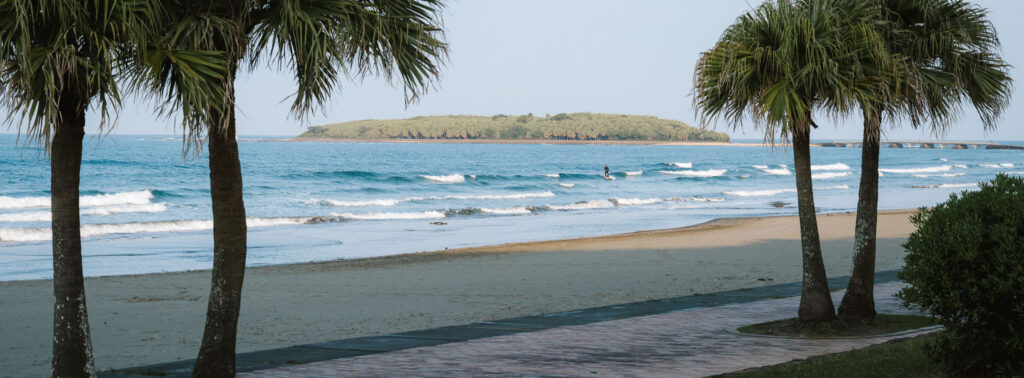
Escaping the Cold: Southbound to Sunshine
Miyazaki Prefecture, tucked away in the south of Japan on the island of Kyushu, is known for its stunning beaches, great surf, rugged rocky capes, and dramatic coastal scenery. The coastline is full of wild rock formations and subtropical-looking forests, while inland you’ll find mountains and dense forest.
This was where I headed with some friends to warm up after a long, freezing winter in Hokkaido. We went in mid-April, and the weather couldn’t have been better—sunny days with highs in the low to mid 20s. After months of snow and sub-zero temps, it felt like heaven. The trip was mostly about surfing, but I brought my camera along and snuck off whenever I could to explore and shoot.
Aoshima: Easy Vibes and Ocean Air
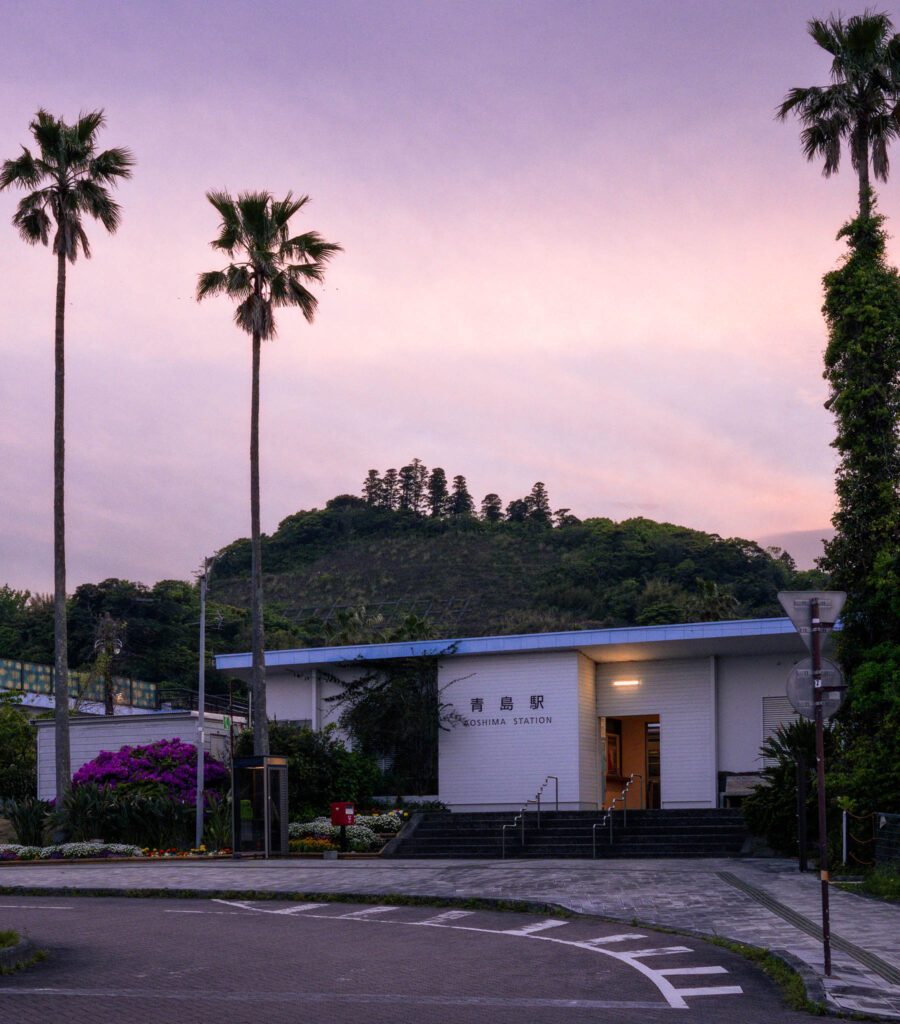
We based ourselves out of the super relaxed village of Aoshima, right beside a stretch of beautiful coastline with long beaches and the stunning Aoshima Island. The island is home to Aoshima Shrine, dedicated to deities from Japanese mythology. It’s covered in lush palm trees and subtropical forest, and around its edges you’ll find the famous rock formations known as the Devil’s Washboard—rippled stone ridges created by wave erosion.
The vibe in Aoshima was way more laid-back than what I’m used to in most of Japan, where things can often feel quite formal and structured. It reminded me more of the slower pace of life I’ve felt in Ishigaki or Iriomote, down in Okinawa. Aoshima felt like the kind of place where you could slow down, grab a coffee from a food truck, wander the beach after a surf, and actually forget what day it is.
Wandering Aoshima Island with a Camera
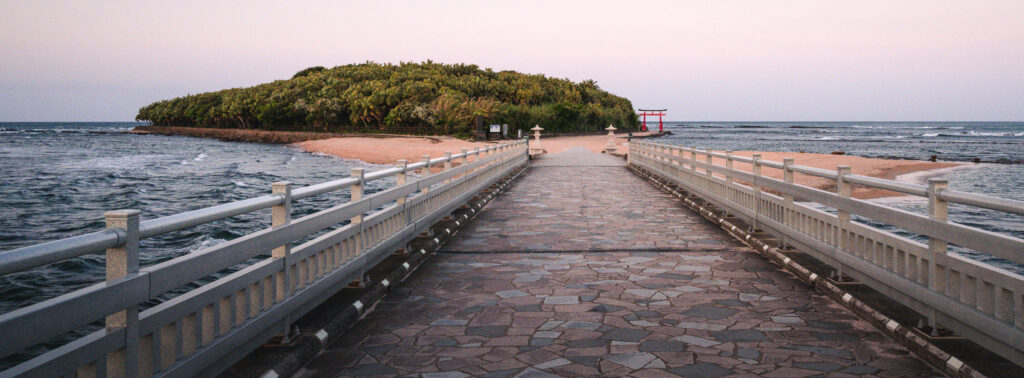
I wandered around Aoshima Island multiple times while staying nearby—just a four-minute walk from my accommodation in the village. Since it was so close, I had the chance to explore it in both afternoon and evening light, taking my time to soak it all in and play around with my camera.
The island is connected to the mainland by a pedestrian bridge, and as soon as you cross over, you’re greeted by a torii gate that marks the entrance to Aoshima Shrine—a small but vibrant Shinto shrine nestled in a grove of subtropical trees. It’s dedicated to deities from Japanese mythology, and the path through the forest has a quiet, timeless feel, especially when filtered light beams down through the fan palms.
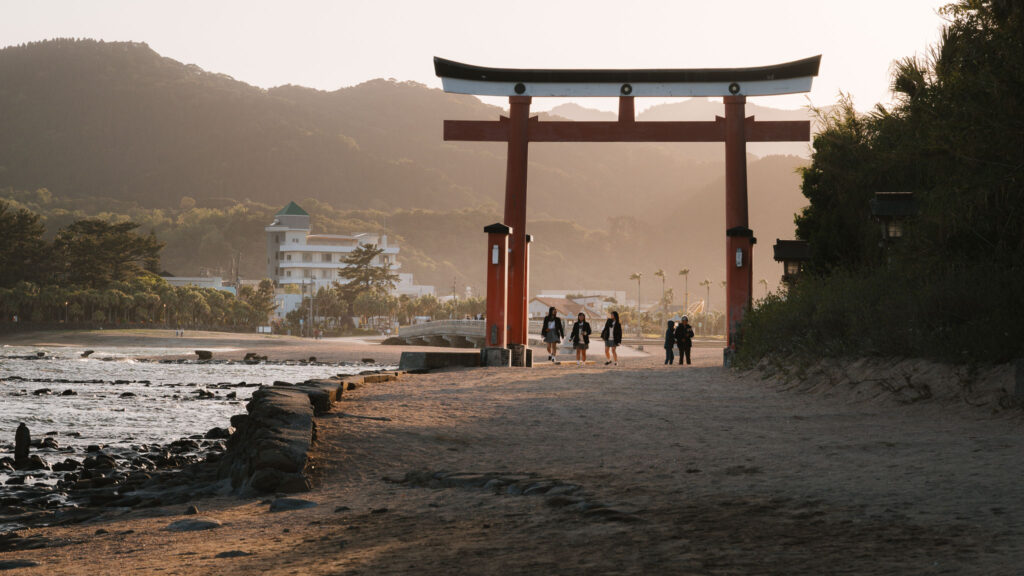
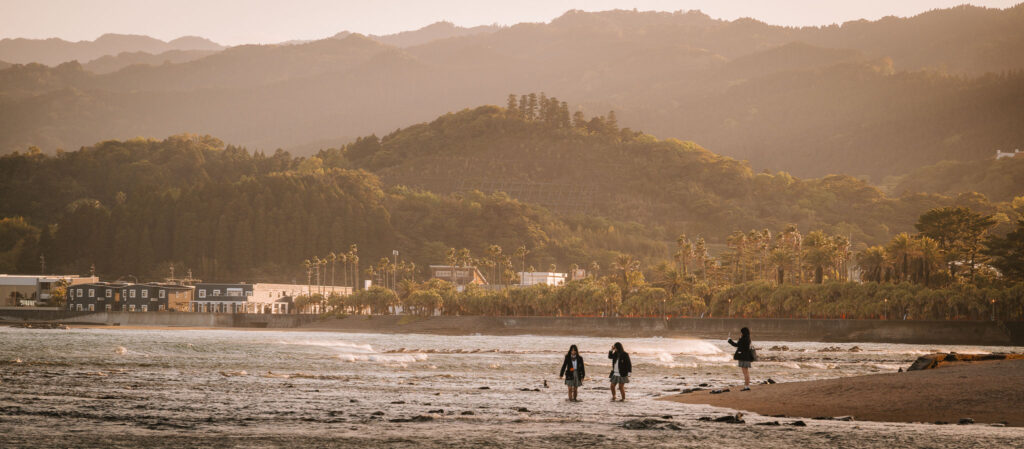
The rest of the island is wrapped in thick jungle, and you can walk around the entire coastline in about 15 or 20 minutes—though for me it always took longer. I’d stop constantly to try new compositions: sometimes isolating the lighthouse, sometimes lining up the torii gate and shrine, or looking for ways to frame the entire island and its surroundings in one wide scene.
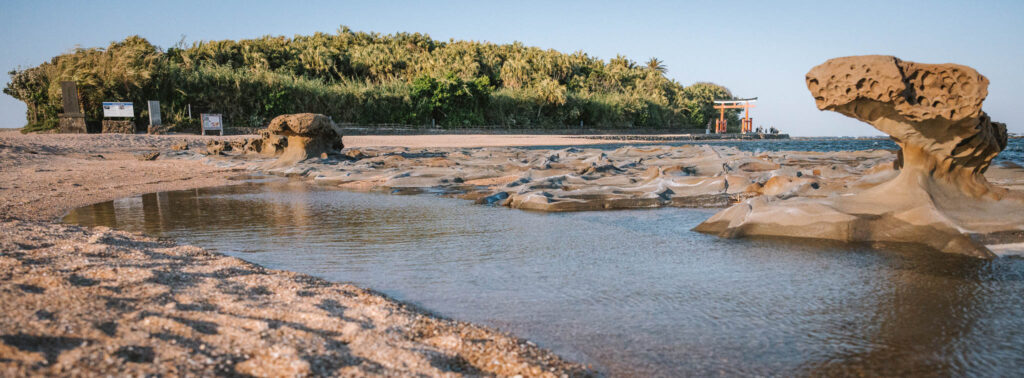
What really fascinated me were the rock formations around the island’s edge—known as the Devil’s Washboard (Oni no Sentakuita). These layered sandstone and shale ridges were formed over millions of years by tectonic uplift and wave erosion, creating long, parallel lines that stretch out into the ocean like giant ribs. They look otherworldly—almost artificial—and are one of the geological highlights of Miyazaki’s coastline.
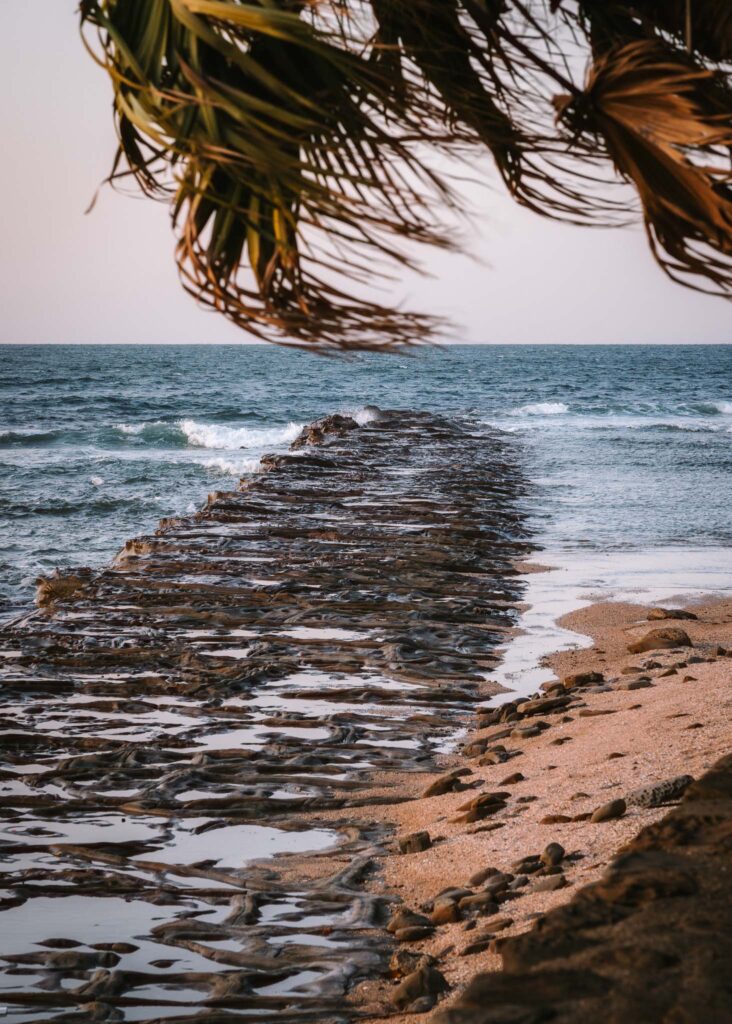
Photographically, the rocks were both interesting and tricky. I liked using them as leading lines into my compositions, whether pointing toward the sea or drawing the eye to the shrine or torii gate. But getting the right light and tide wasn’t easy. Sunset offered great colors, but the tide was usually too low, leaving the rocks dry and less visually interesting. I think the ideal conditions would be sunrise light with the tide halfway in, so the ridges are partly submerged and catching reflections. That would’ve lit the island from behind and softened the whole scene—but I was usually out surfing at that time, not shooting.
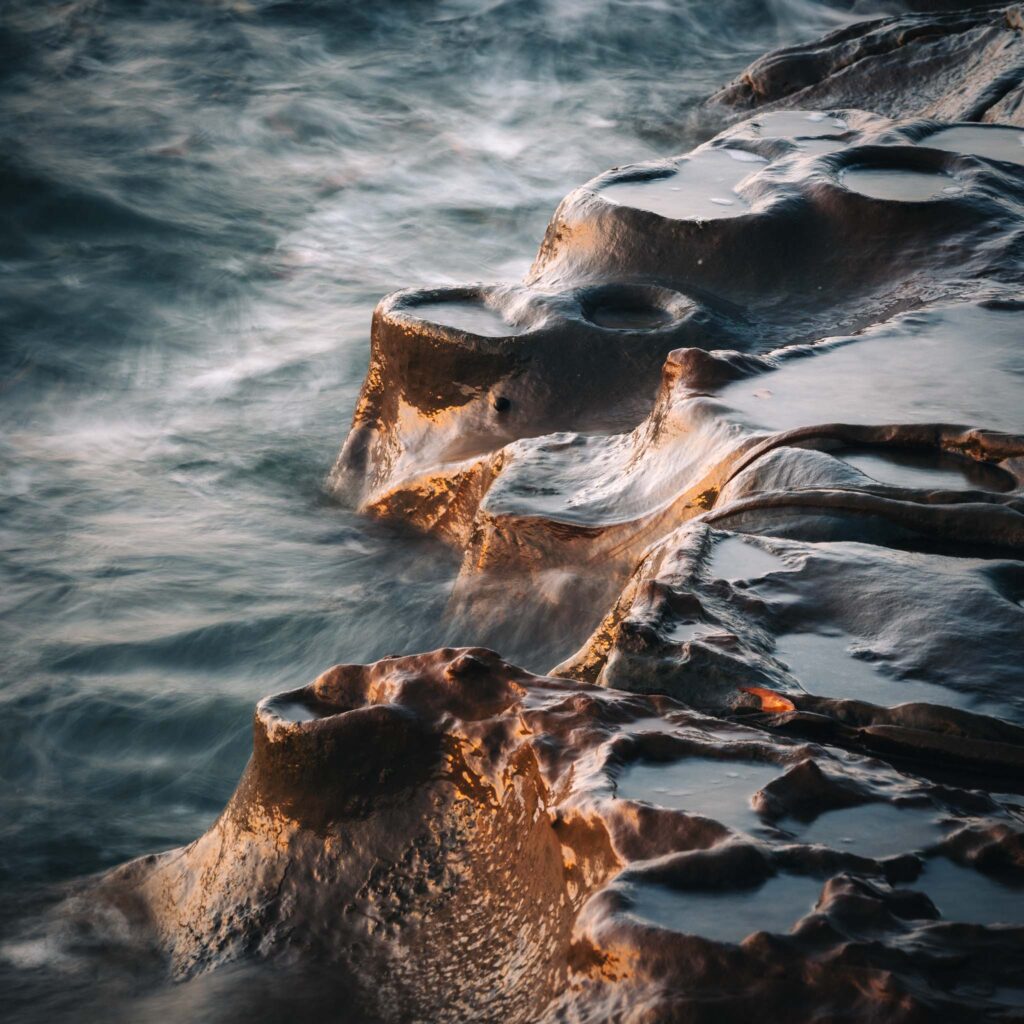
Still, I made the most of the light I had and managed to get some shots I liked—especially tighter ones focusing on textures or wider frames where the island sits low on the horizon with the coast and ocean spread out in front. Even when I didn’t get the “perfect” conditions, Aoshima Island was still a great place to slow down, wander quietly, and let the mind settle. It’s the kind of spot where you can just enjoy the moment, explore without pressure, and slowly find your compositions as they reveal themselves. If you’re into landscape or travel photography, Aoshima Island is well worth a visit.
Surfing and Surf Photography Around Aoshima
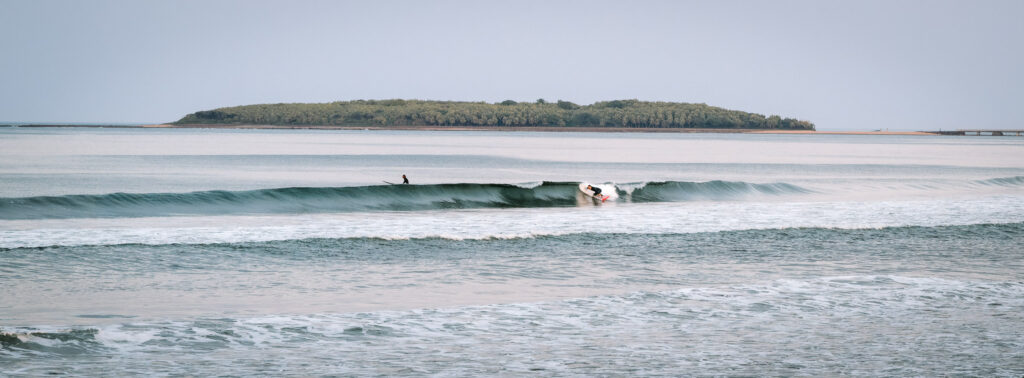
Most mornings—when the wind stayed light—we’d get up early and check out different surf spots around Aoshima, all within about a 20-minute drive. There are several fun little beach breaks in the area, and while the waves weren’t big during our trip, they were clean and consistent. I’m not a longboarder myself; I ride a bodyboard, but it was easy to see why the area is so popular for it—clean small waves and a mellow vibe that suits the style perfectly.
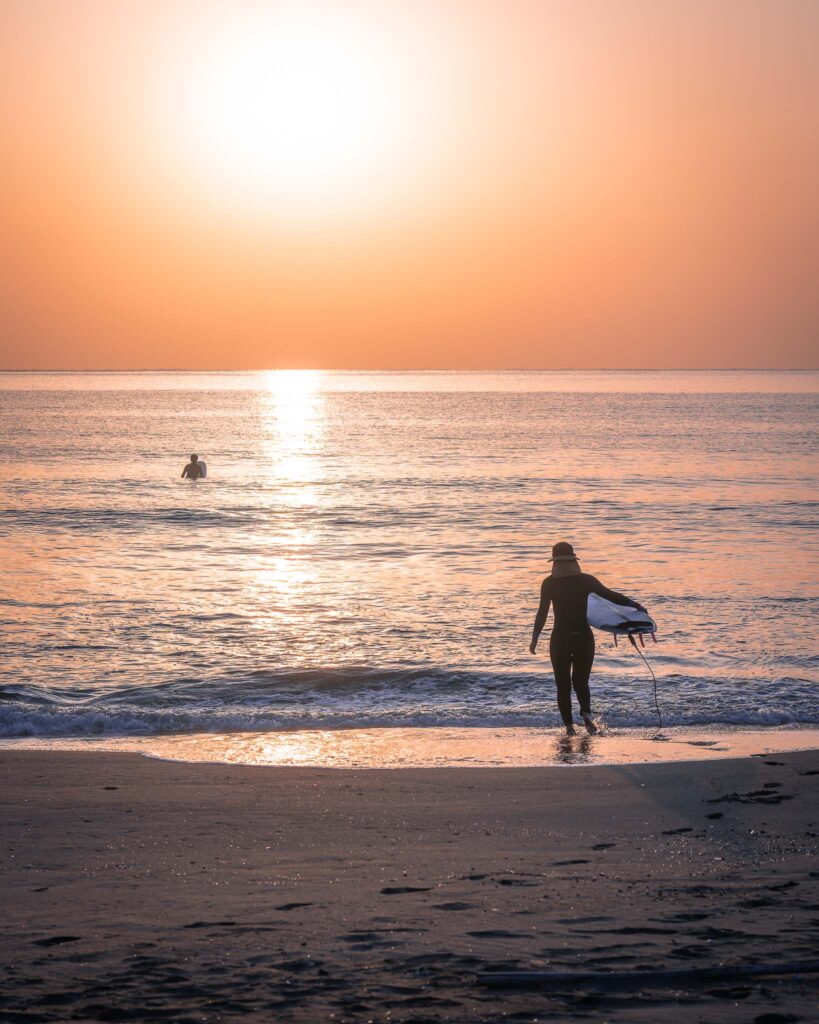
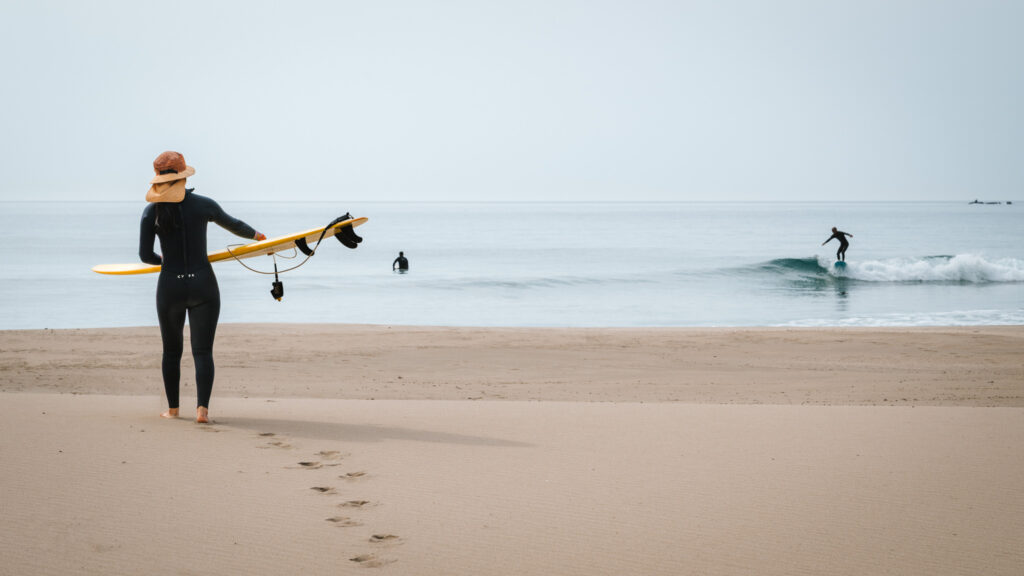
When the surf was mellow or I wasn’t in a rush to paddle out, I’d take a moment to hang back on the beach and pull out my camera. Sunrise was by far the best time—not just for surfing conditions, but for photography too. The light was soft and golden, the wind calm, and the lineup a little less crowded. That quiet, glowing light really added something to the images, though not every morning had perfect conditions, as you can see from some of the photos.
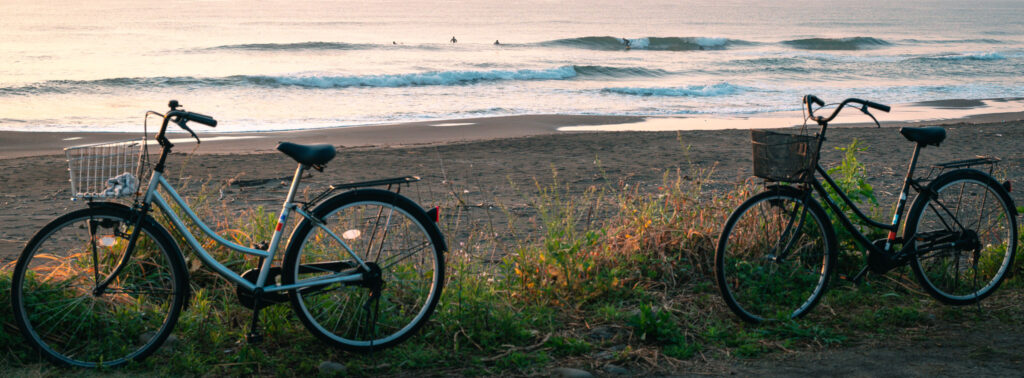
I tried to focus on capturing the feeling of the session—not just action but the still moments too: surfers paddling out, waiting in the lineup, or silhouetted in the golden reflections. For most of these shots, I was using shutter speeds around 1/800 sec or faster to keep the surfers sharp. I also kept my aperture wide open at f/4 to separate them from the background and give the rest of the scene a soft, almost dreamy look.
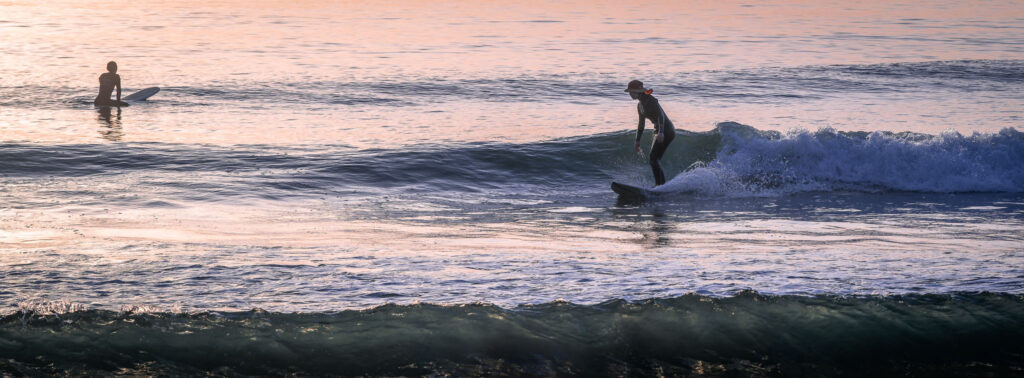
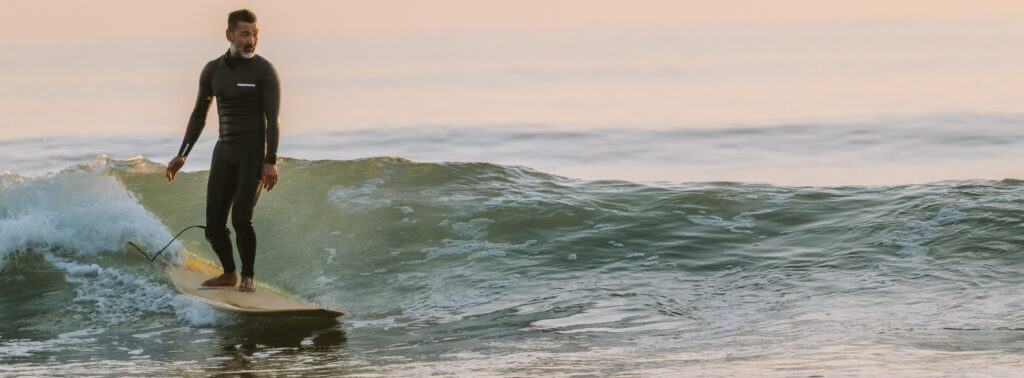
I used two lenses for these: the Nikon 24–120mm f/4, which was great for wider context and walk-around shooting, and the Nikon 300mm f/4 PF, a small and underrated lens I love for its reach and portability. It’s a great travel lens—lightweight, sharp, and perfect not just for surf shots, but also wildlife photography, which came in handy later during the Yakushima part of the trip. It let me leave the huge Nikon Z 180–600mm behind without missing too many shots.
For some photos, I also played with compressing Aoshima Island in the background. By positioning myself in the right spot along the beach, I could line up surfers with the island behind them and make it feel much closer than it actually was. It was a fun way to combine surf action with the surrounding landscape and tie the images more directly to the location.
Udo Shrine – Clifftop Views, Lucky Stones, and Soaring Tombi
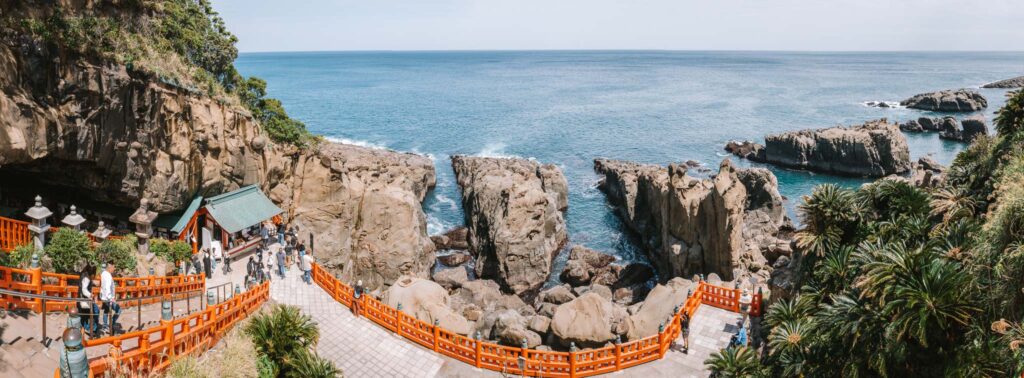
While we were based in Aoshima, we took a few easy day trips down the coast, and one of the standouts was Udo Shrine (Udo Jingu). Perched partway down a cliff and tucked inside a cave-like opening, the setting is beautiful and unique, right on the edge of the Pacific Ocean. It’s said to be the birthplace of Emperor Jimmu, Japan’s first emperor according to mythology, which adds a nice layer of history to the location.
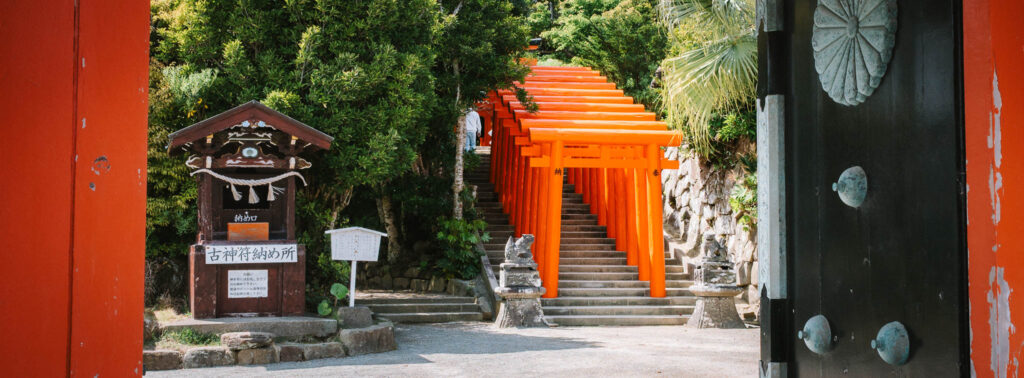
We visited in the afternoon, under harsh light and calm seas, but I could imagine the place feeling completely different during wild weather—waves crashing against the rocks and moody skies above would really suit its dramatic coastal backdrop.
A fun little tradition at the shrine is trying your luck by tossing undama—small ceramic discs—toward a roped-off target on a rock below. Men have to throw with their left hand, women with their right. Out of five, I got two in—not bad. Whether it brings luck or not, it’s a fun experience.
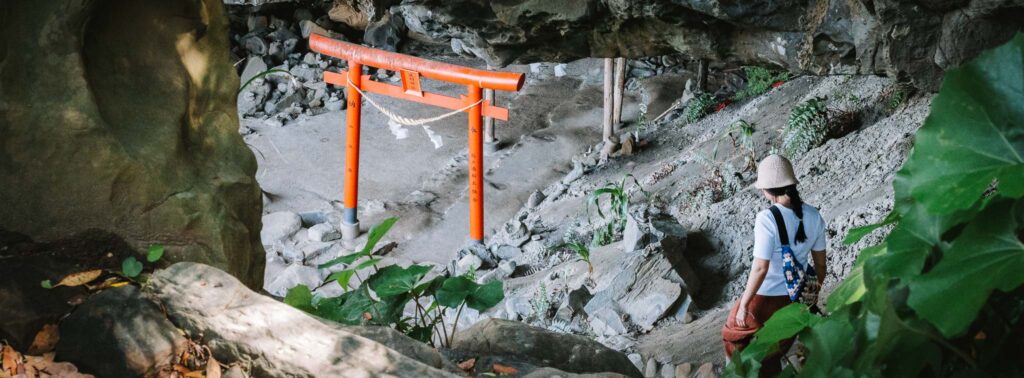
Beyond the main shrine, we followed a trail through a series of torii gates up a hillside path. About 15 minutes later, we arrived at a small, quiet shrine tucked away in a cave by the ocean. Not many people come out this far, and for me, this peaceful spot ended up being the highlight of the visit. It was a perfect place to slow down, explore with the camera, and just enjoy the stillness.
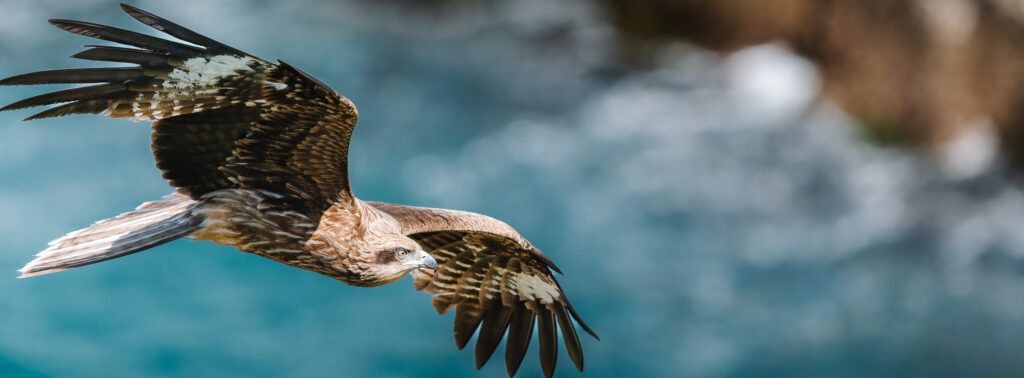
While we were at the main site, I also spent a bit of time watching tombi (black kites) glide along the cliff edge. They were flying in close, sometimes passing just overhead, which gave me a great chance to grab a few photos—an unexpected bonus for wildlife photography at a shrine. Near the entrance, there was also a stream and some small ponds, absolutely buzzing with the sound of frogs. They were incredibly loud, but also incredibly hard to find—I sat still for a while hoping to spot one, but no luck on camera this time.
Exploring Hyuga: Cape Views, Rugged Coastlines & Misty Mountains
One day we drove about 1.5 hours north to the quiet surf town of Hyuga, located on the northern coast of Miyazaki. Our first stop was Okuragahama Beach, where we lucked into what were probably the cleanest, most enjoyable waves of the whole trip. I didn’t shoot any photos here—I was too busy out in the water enjoying them myself.
After a few surf sessions, we explored the nearby coastline at Cape Hyuga, a rugged headland offering multiple spots to wander, shoot, and soak in the ocean air. One of the first places we checked out was the Sekino-o Ravine (also referred to locally as Sekiryu Gorge), a dramatic rock formation that cuts deep between towering cliffs. I attempted a vertical panorama to try and capture it. But it lacked scale, and with harsh midday sun and blue skies, the light wasn’t doing me any favours. Still, it’s the kind of location I’d love to return to in more dramatic or moody conditions.
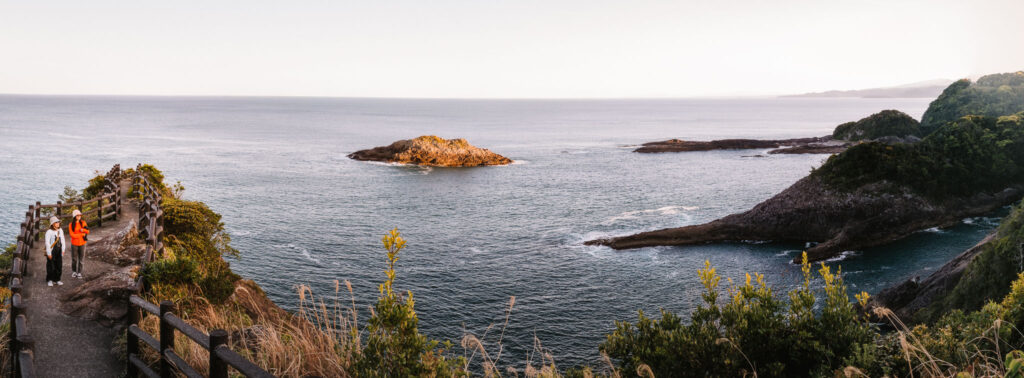
Not far from the ravine is the Cape Hyuga Observatory, which looks out over a series of rocky islets scattered through the bay. I couldn’t help but imagine how wild this place would look during a big storm—definitely one to bookmark for future photo missions. Even under clear skies, it was an incredible landscape. I took some panoramas with friends in the frame to show the scale of the cliffs and ocean views.
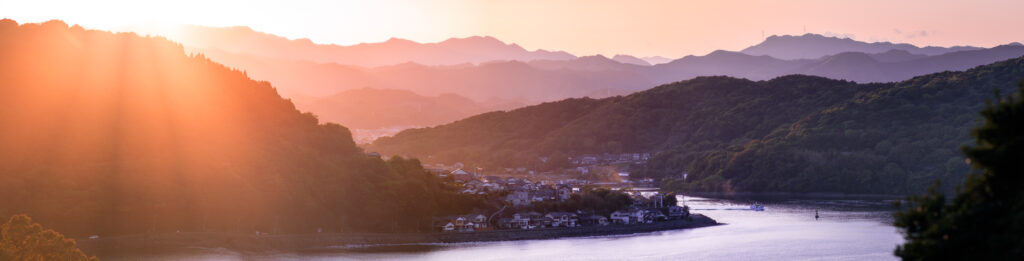
As we were heading back to the car, the sun began to dip behind the mountains inland from Hyuga, casting hazy layers across the ridgelines and bathing the whole town in warm, golden light. It was one of those unexpected moments where everything lined up just right. I heard the calls of tombi (black kites) overhead and quickly swapped lenses to the 300mm, hoping to catch a few in flight—but I was too slow. Still, with the long lens already on, I started shooting a few tight panoramas of the layered sunset scene across Hyuga. That golden light pouring over the town, backed by soft mist and ridges, ended up being one of my favourite scenes of the trip.
Cape Toi: Wild Horses, Rugged Coastlines, and Unexpected Wildlife Encounters
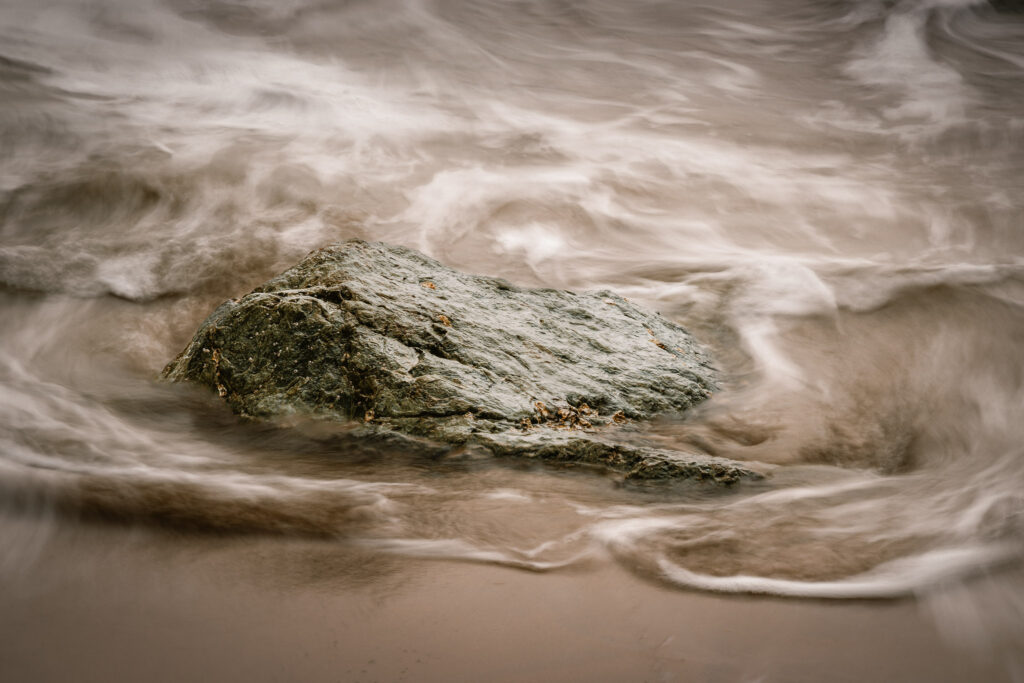
On another day trip, we headed south from Aoshima toward the rugged beauty of Cape Toi, stopping first at Koigaura Cove, a quiet beach known for its surf potential. The waves weren’t really working that day, so while the others paddled out, I wandered with my camera instead. The light was harsh and the sky was a deep, clear blue—great for a beach day, but not ideal for photography. Still, I enjoyed the time to slow down and explore, shooting handheld as small waves spilled across the rock.
I ended up experimenting with slower shutter speeds to blur the motion of the water—trying to find the sweet spot where it stayed expressive without turning to total mist. Surprisingly, I could get down to 1-second exposures handheld—and sometimes even longer—and still keep the rocks acceptably sharp. That said, I liked the look most when shooting around 1/8 to 1/3 of a second, where the water had just enough structure left in the blur to hold some shape and mood.
From there, we continued on to Cape Toi, a wind-swept headland at the southern tip of the Miyazaki coastline. This area is known not only for its dramatic ocean views but also for its wild horses, which have roamed these hills for over two centuries—said to be descendants of horses left behind by samurai. The animals were calm and unbothered by us, moving slowly through the landscape like they owned the place (which, in a way, they kind of do).
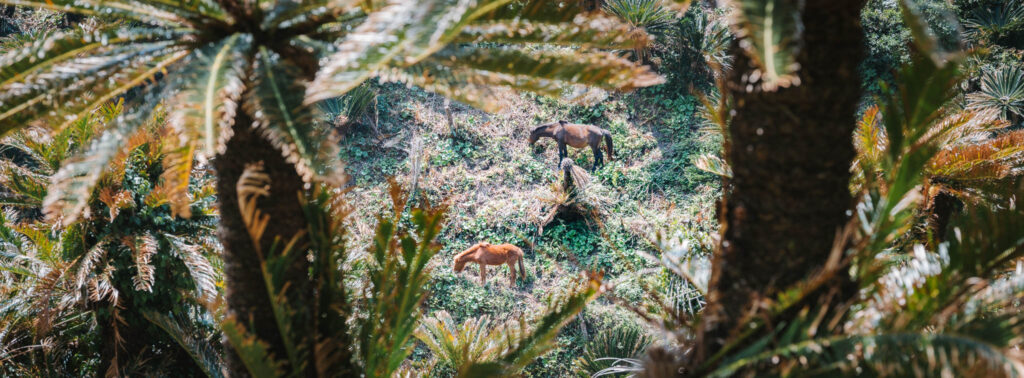
The horses at Cape Toi—known as Misaki horses—are one of Japan’s eight native horse breeds. They’ve been associated with this area since 1697, when the Akizuki clan began breeding them for use in agriculture and war. Over time, the horses were left to graze freely and gradually became semi-wild.
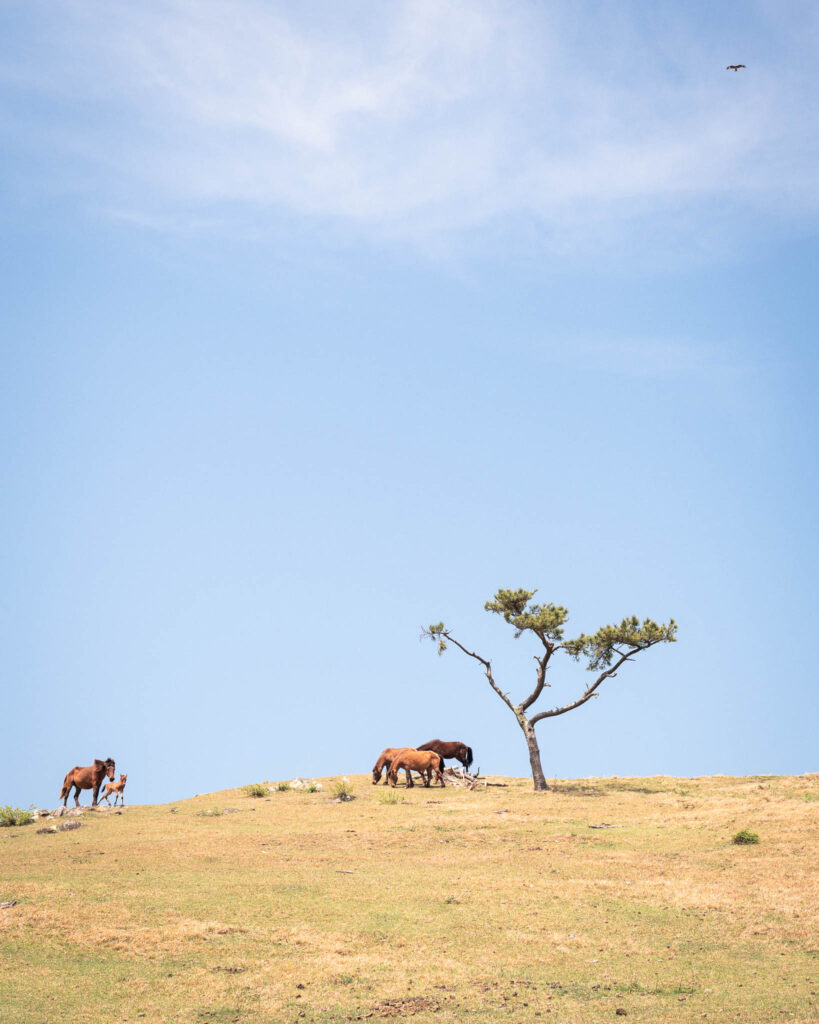
Their numbers declined sharply after World War II, but thanks to conservation efforts, they were designated a National Natural Monument in 1953. Today, about 100 horses still roam the cape, living freely among the windswept hills and trees.
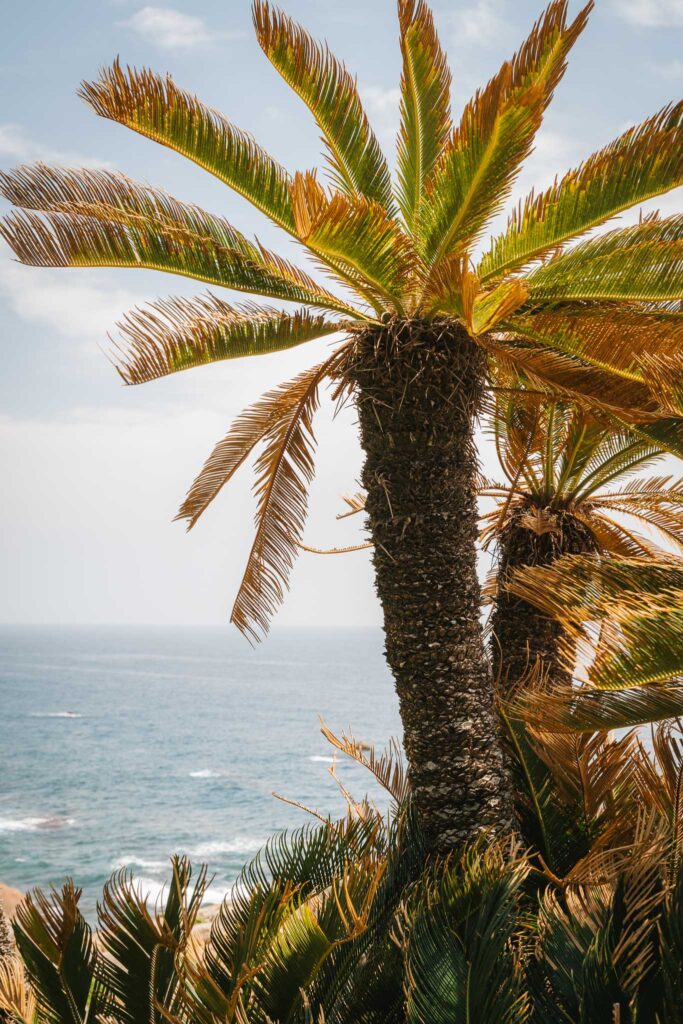
The cape is also dotted with hardy pine trees and clusters of cycad palms, which reminded me a little of punga trees back in New Zealand—those tall, ferny silhouettes that give the landscape a wild, Jurassic feel. It’s a striking place to wander with a camera.
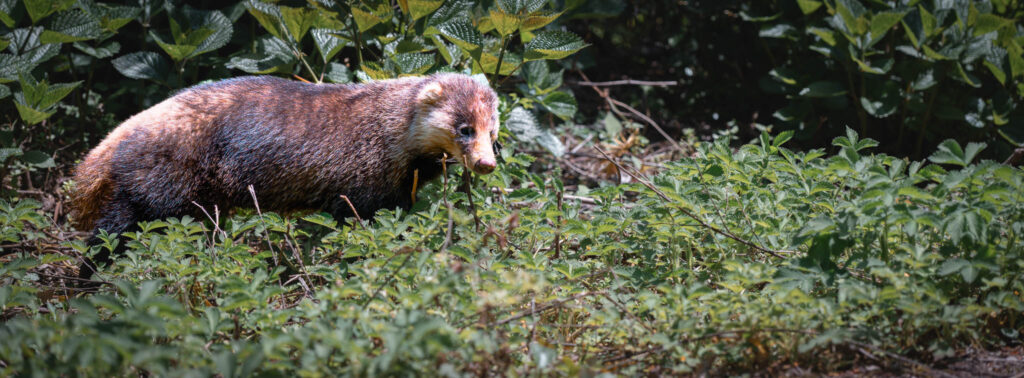
On the way to Misaki Shrine, perched above the cliffs with views out over the open sea, something unexpected darted across the road—a strange animal I didn’t recognize at all. I quickly grabbed my camera and managed a photo just before it vanished into the brush. After a bit of searching, I found out it was a Japanese badger—something I didn’t even know existed. A lucky wildlife sighting that added a layer of surprise to the trip.
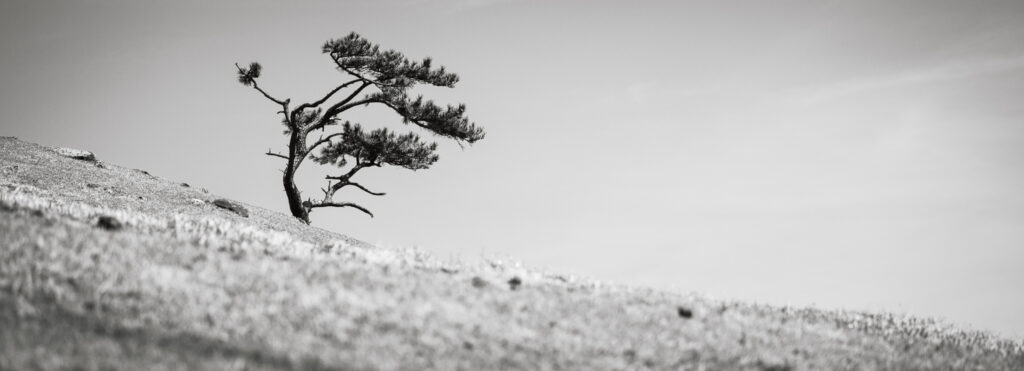
At the shrine itself, I grabbed a few more shots of the horses grazing along the cliffs, framed by rugged trees and open sky. On the way back, we made one final stop at Komatsugaoka Hill, where a lone pine tree stood silhouetted on the slope with horses scattered around it. The light was still harsh, but when you’re traveling, you don’t always get to wait for perfect conditions—so I embraced it, working with what I had to capture the scene.
Conclusion: Light, Patience, and Finding the Flow
Miyazaki is a great place to wander, surf, and play with my camera. After a long, cold Hokkaido winter, the warm coastal climate felt incredible—almost like a reward. While shooting, I often caught myself complaining that the light was too harsh or not quite right. But that’s the thing with travel photography: the light won’t always be perfect. You just have to embrace whatever conditions you’re given and find ways to work with them, not against them. Even when the light isn’t ideal, you can still walk away with photos you’re proud of.
There’s still so much of Miyazaki I didn’t have time to explore—places like Takachiho Gorge and countless hidden corners I’ve probably never even heard of. I’ll definitely be back. Hopefully soon.