
Summer in Daisetsuzan National Park: Hiking and Photography in Hokkaido
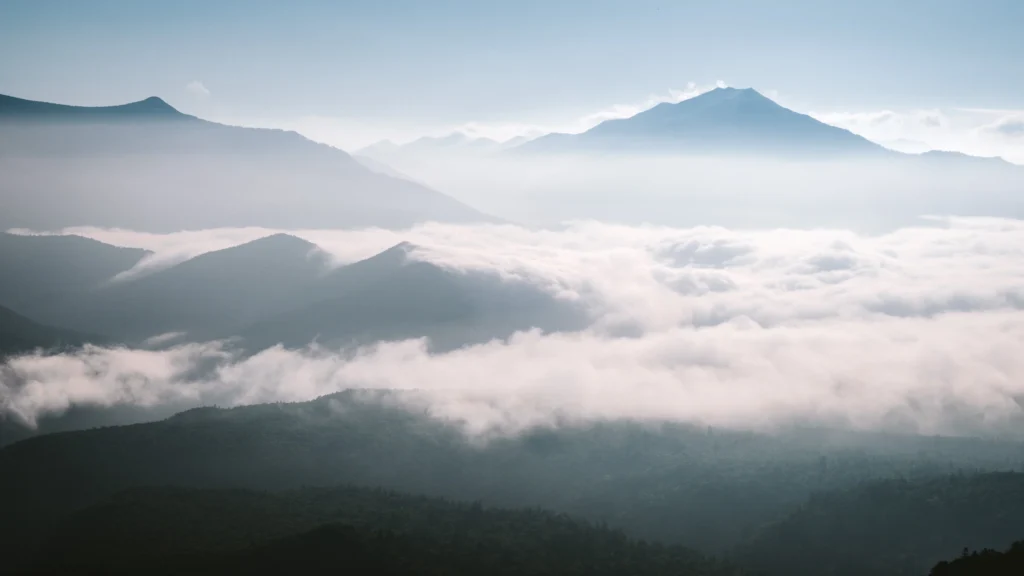
Summer in the Belly of Hokkaido
In the summer of 2025, I travelled to the Daisetsuzan range in central Hokkaido to hike and photograph several routes through Daisetsuzan National Park on assignment for Wild Magazine in Australia.
I’d been here many times in winter — skiing at Furano and touring in Daisetsuzan — but summer feels completely different. Alpine flowers replace snowfields, insects fill the air, and the volcanic terrain feels raw and exposed. For photography, it’s a far more demanding season, but also a rewarding one.
Tokachidake: Clouds, Volcanic Ridges, and Pika Country
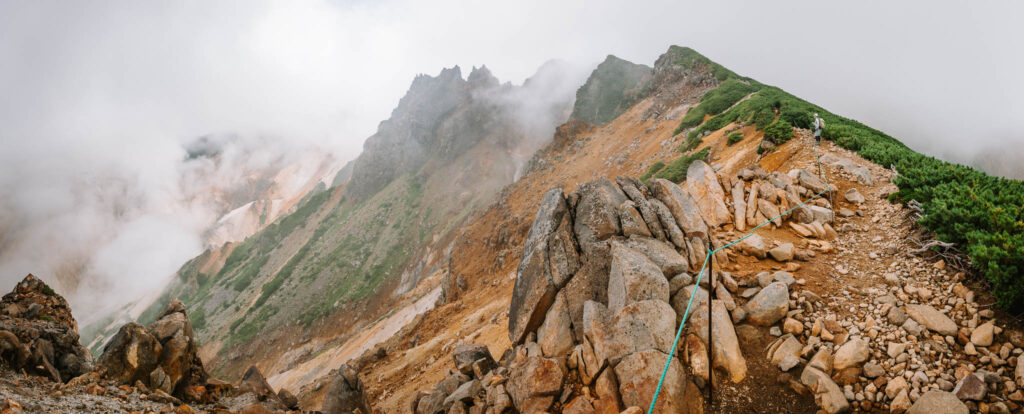
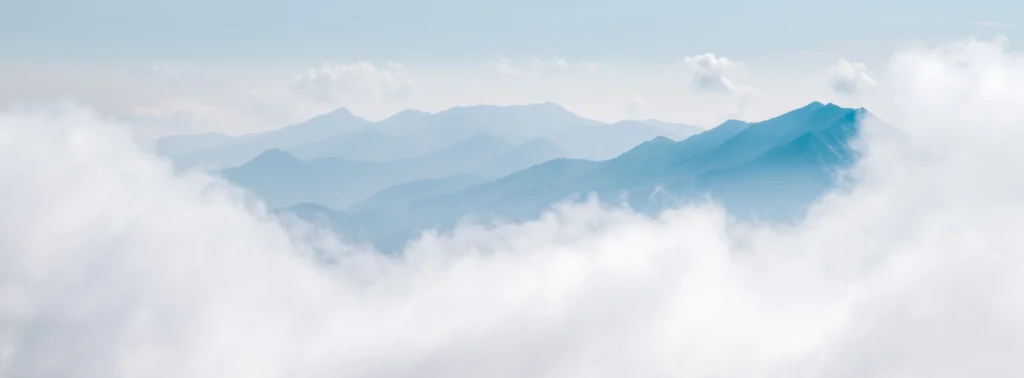
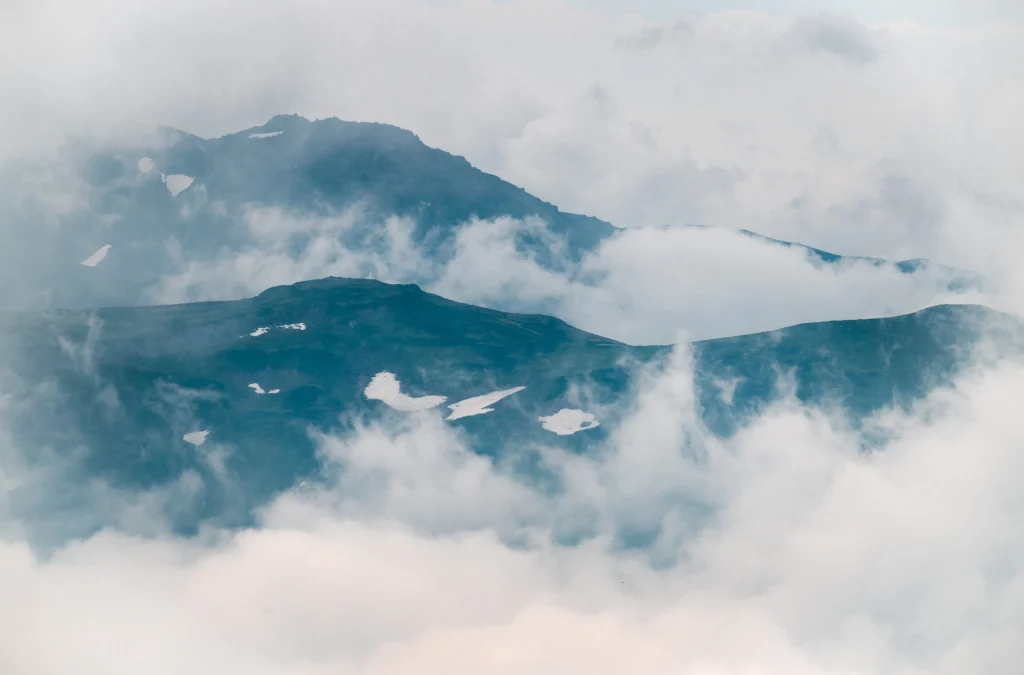
We started near Ryounkaku Lodge, hiking a loop over Furano-dake and Tokachidake. Low cloud rolled in early, and as we climbed we were swallowed by mist. The clouds never fully cleared, instead constantly shifting and briefly revealing sharp volcanic ridgelines before closing again.
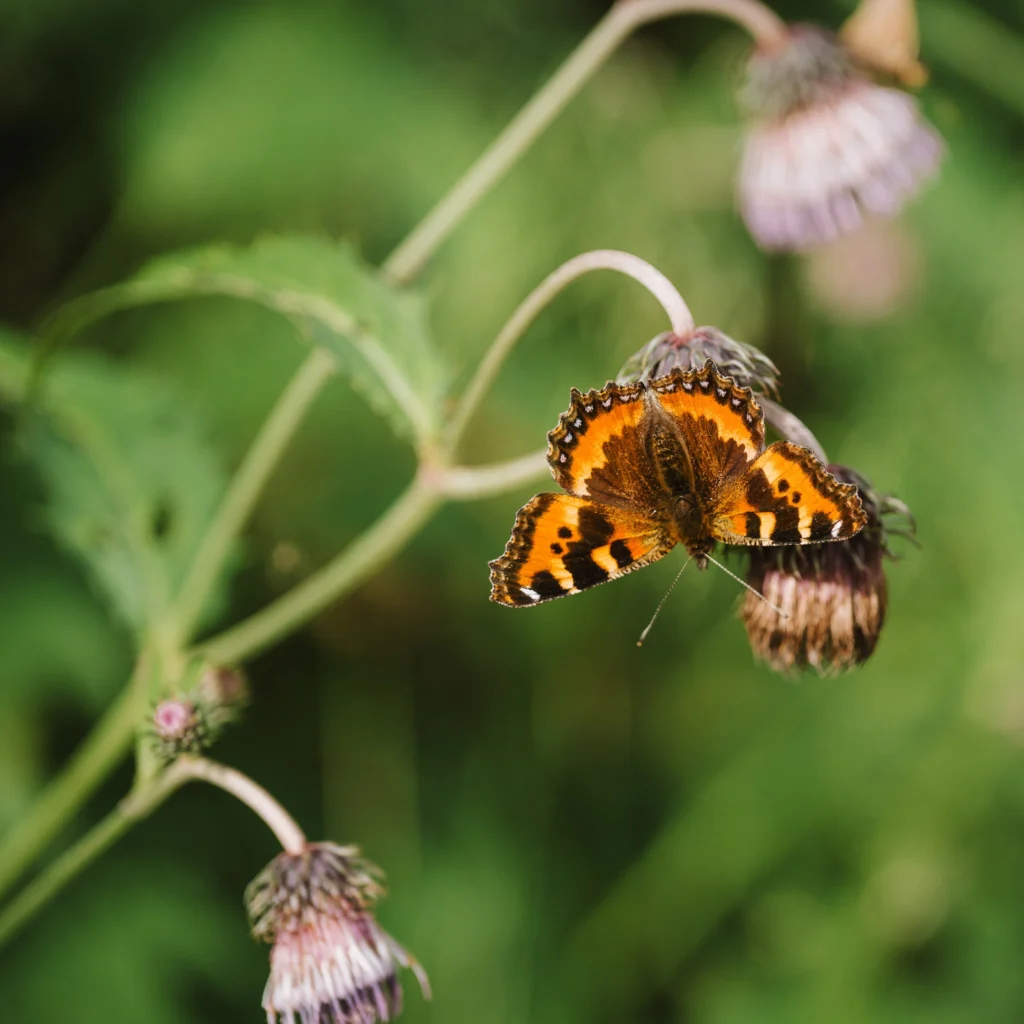
I packed lightish but flexible, using my Nikon Z8 for the hike. My main lens was the Nikon Z 24–120mm f/4 — not the lightest, but incredibly versatile. It covered wide landscapes, stitched panoramas, distant ridgelines breaking through cloud, and close-ups of alpine flowers and butterflies. For wildlife, I carried the Nikon 300mm f/4 PF with the FTZ adapter — small, light, and ideal for hiking.
Higher up, the vegetation thinned and the landscape became increasingly barren and volcanic. Near the Kamihorokamettoku area, we passed a summer mountain shelter and nearby scree slopes — prime habitat for Hokkaido pika. We could hear their sharp, high-pitched calls echoing from the rocks, but despite stopping to look, they stayed hidden. This would be an ideal place to stay overnight: close to good pika habitat, and high enough that, on the right morning, you’d likely get sunrise light with cloud or inversion layers sitting below the surrounding ridgelines.
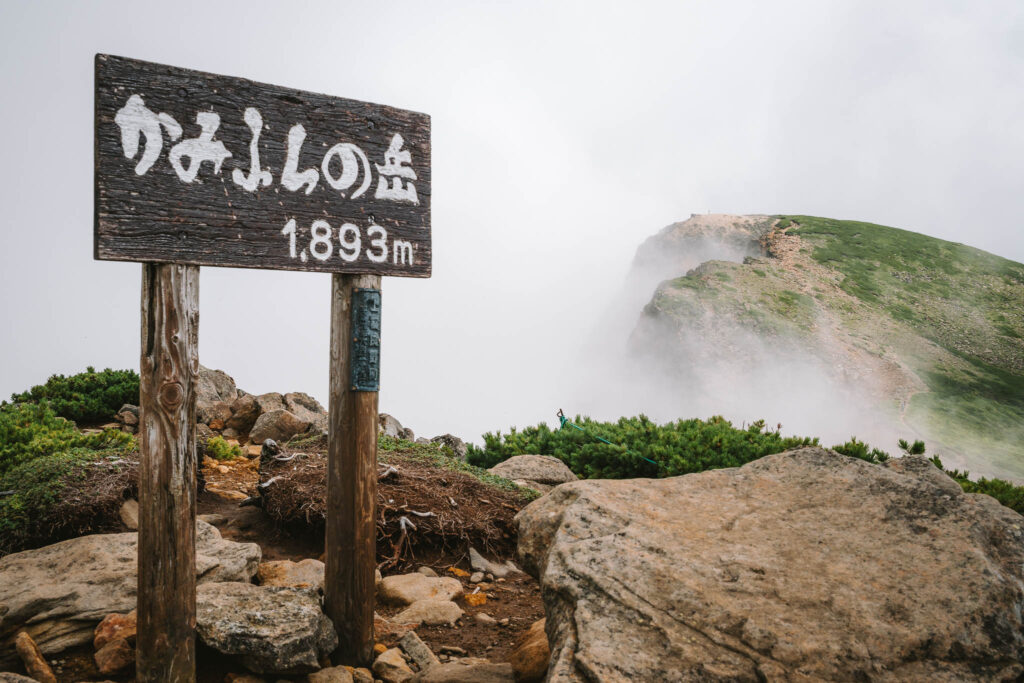
At the summit of Tokachidake, visibility was limited, but something unexpected stood out: insects — huge numbers of them. Just below the summit there were very few, but right at the top they clustered in large numbers. This is thought to happen when insects are pushed upward by wind and gather at high points to avoid being blown away.
We descended toward the Tokachidake Observatory Road through sulphur-stained ground and loose volcanic terrain. The clouds stayed low, and photography was difficult. The heat and humidity were intense, and despite carrying two bottles of water, I ran out quickly — something I’d pay for the next day.
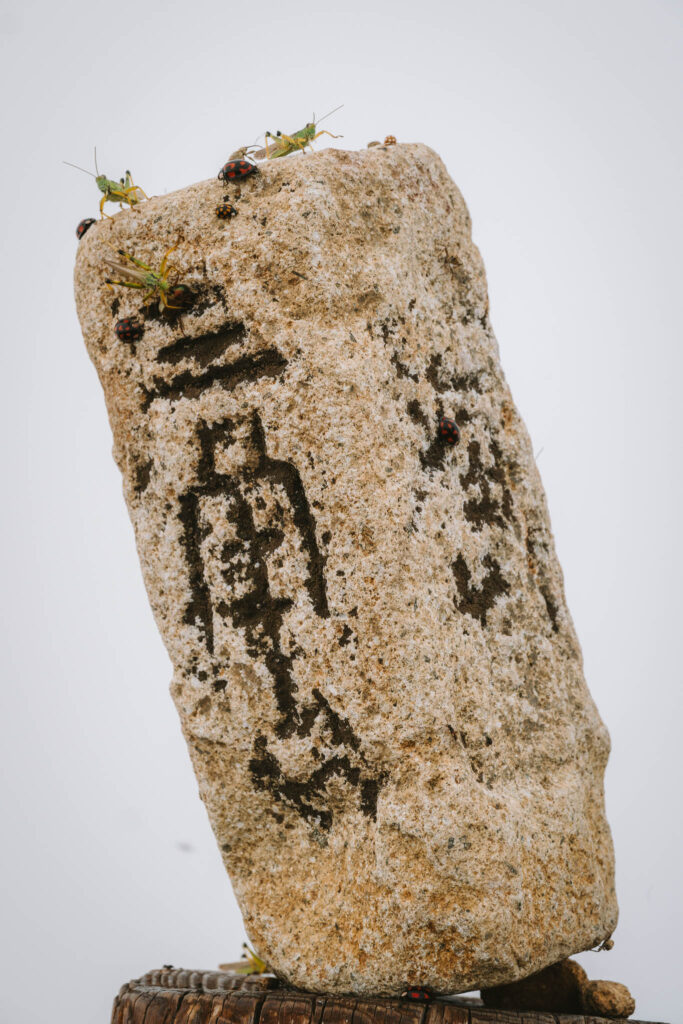
The hike took around seven hours at a relaxed pace, stopping whenever the clouds briefly opened.
That night we stayed at Ryounkaku Lodge. Normally its elevation would mean cooler air, but an inversion layer made it uncomfortably warm. Even so, soaking in the onsen after a long day was a welcome end.
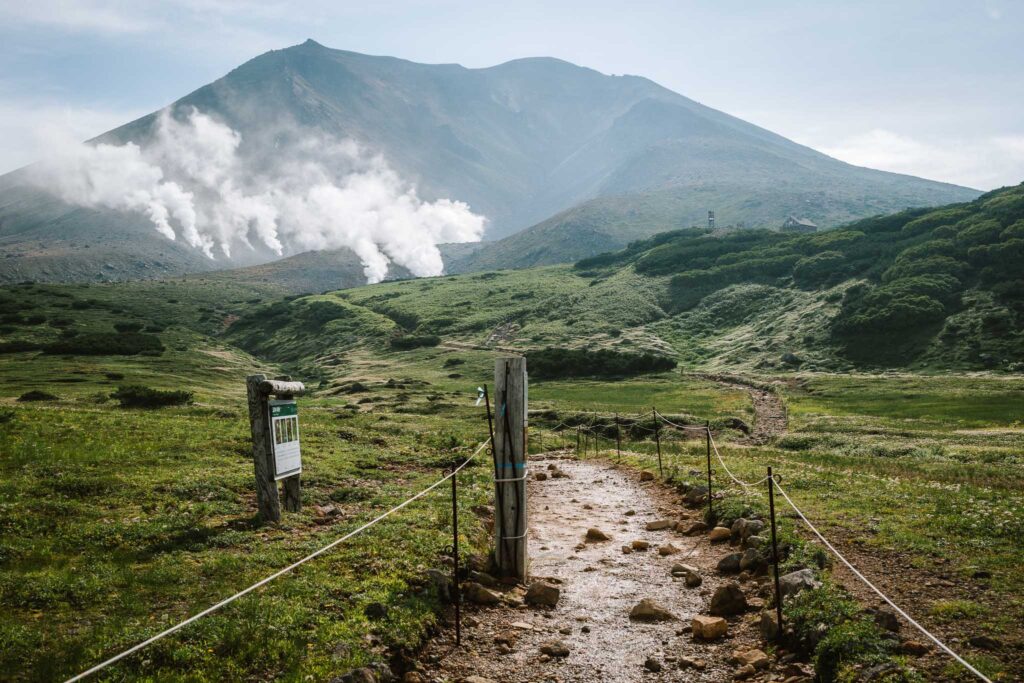
Asahidake: When the Body Stops Cooperating
The next morning we drove to the Asahidake Ropeway to hike Hokkaido’s highest peak. The sun was strong, the air heavy, and cloud sat low in the valleys.
After passing the busy viewpoint near the alpine lake, we climbed the scree ridge beside the volcanic vents. The route wasn’t technical, but fatigue from the previous day and lack of sleep made it hard work. At the summit, I slowed right down, sitting in the cooler air, snacking and relaxing while photographing the landscape as clouds swirled around us. Peaks and ridgelines would appear briefly, then disappear again, and just sitting there, watching it change, felt genuinely good.
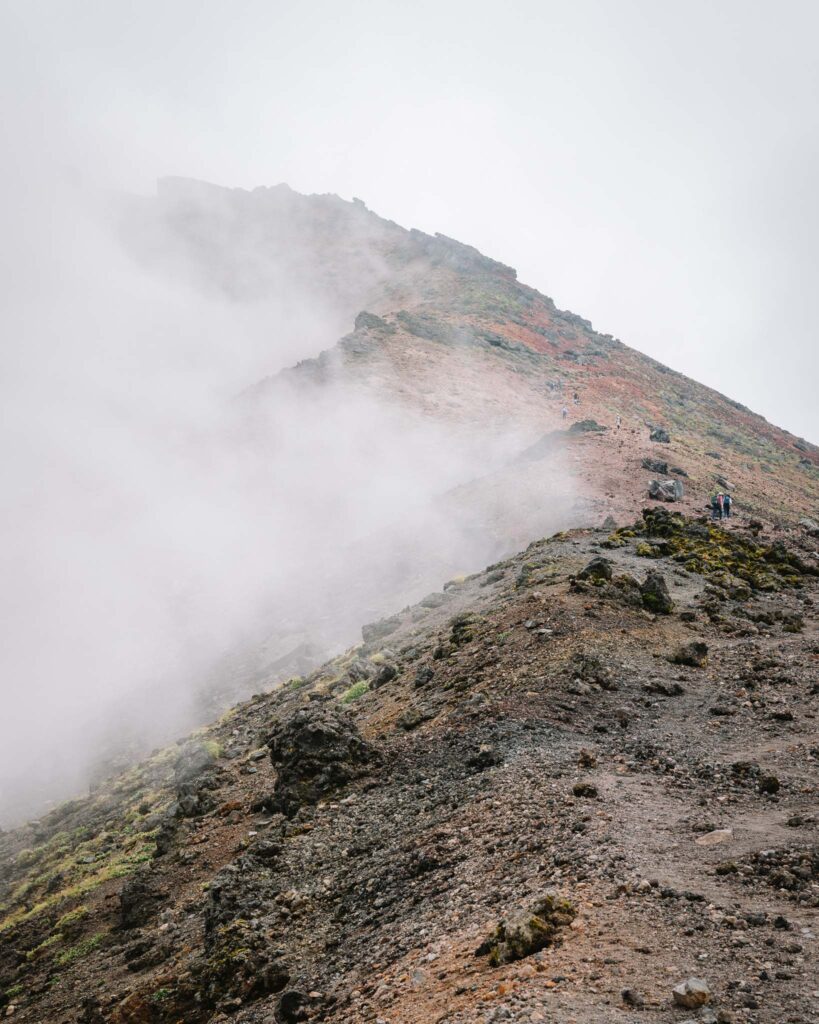
Descending back into the heat was another story.
As we dropped lower, the humidity hit hard. My legs felt weak, my head felt foggy, and my thoughts stopped lining up properly. By the time we reached the ropeway station, I felt detached from what was happening around me — lightheaded, confused, and struggling to focus. It wasn’t dramatic, but it was clear something wasn’t right.
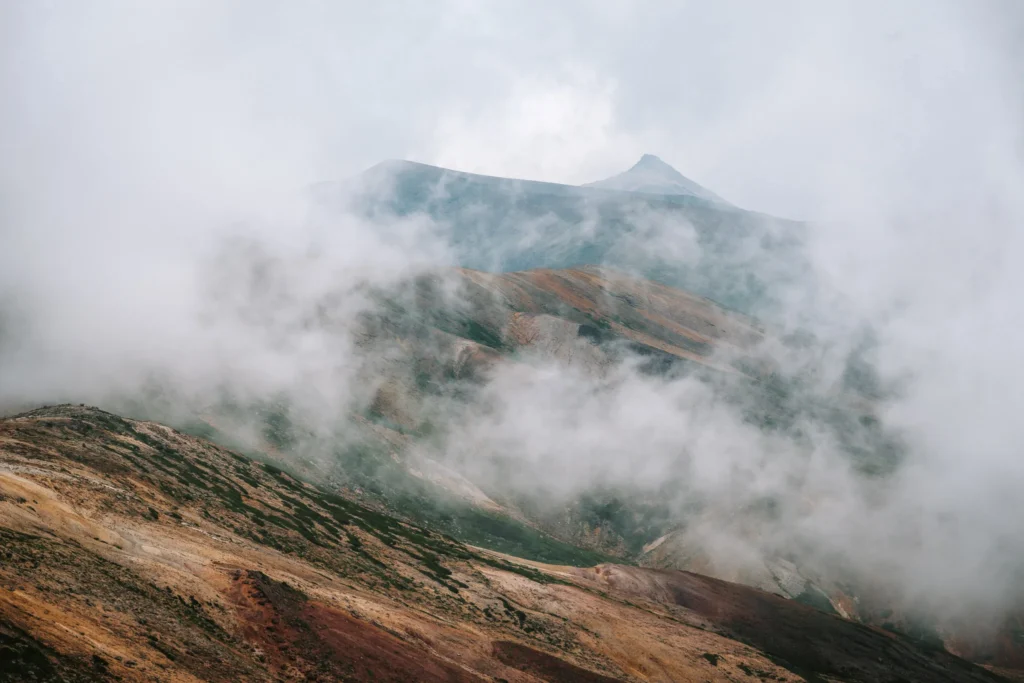
Sitting down, eating, and trying to rehydrate helped a little, but I knew I’d pushed too far. The plan to continue to Sounkyo and hike again the next day was abandoned, and I returned to Niseko to recover. It was a frustrating decision, but the right one.
Kurodake to Ohachi Crater: Slowing Down and Finding the Pika
A few weeks later, we returned to Sounkyo Onsen to complete the final hike. From the Kurodake Ropeway and chairlift, we climbed to the summit before crossing a broad volcanic plateau dotted with alpine plants and scree slopes.
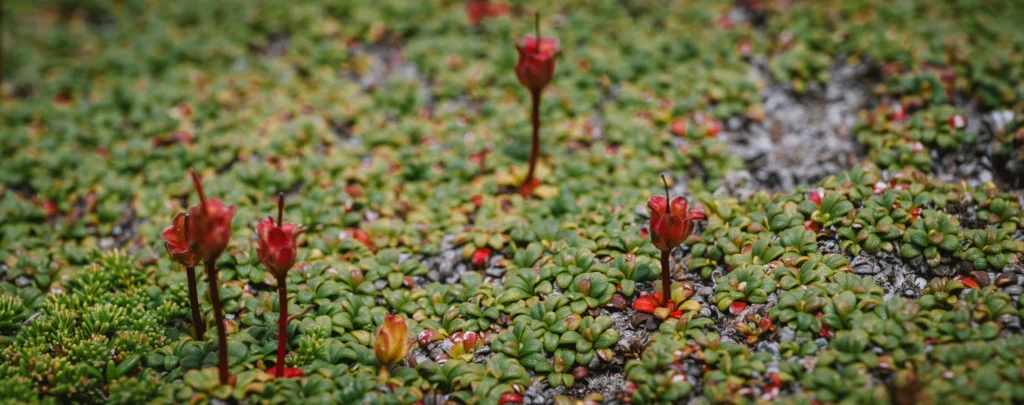
Again, we could hear pika calling — sharp squeaks bouncing between rocks — but couldn’t see them. Near the Kurodake Refuge, a summer mountain hut, we slowed down. This area felt like somewhere worth staying: quieter than the ropeway zone, with easy access to pika habitat and expansive landscapes that reward patience rather than speed.
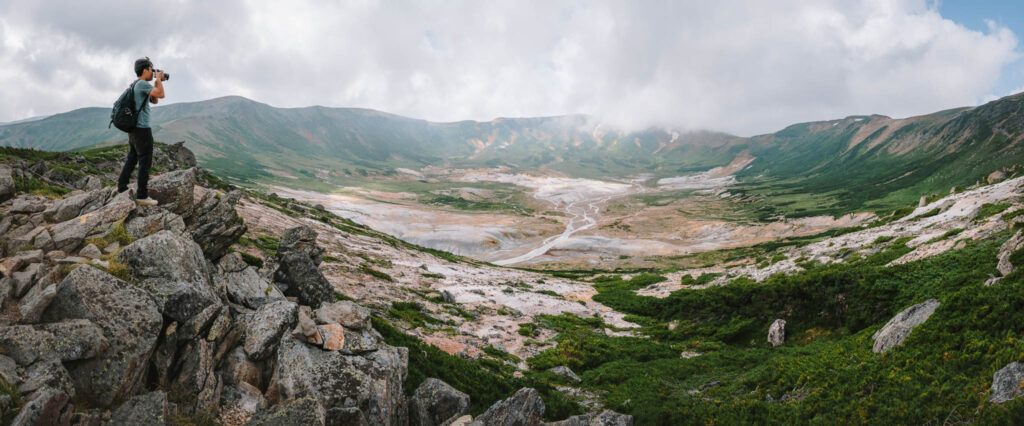
Continuing on, we reached Ohachi Crater — a wide volcanic basin with mineral-coloured ground and a small stream bubbling from its centre. It’s an impressive, open place, and far less busy than the main peaks.
On the return, we heard pika calling again and stopped to wait.
A number of the locations mentioned here are included in my Hokkaido Nature Photography Map, which I use to keep track of places I’ve photographed and want to return to.
The Hokkaido Pika
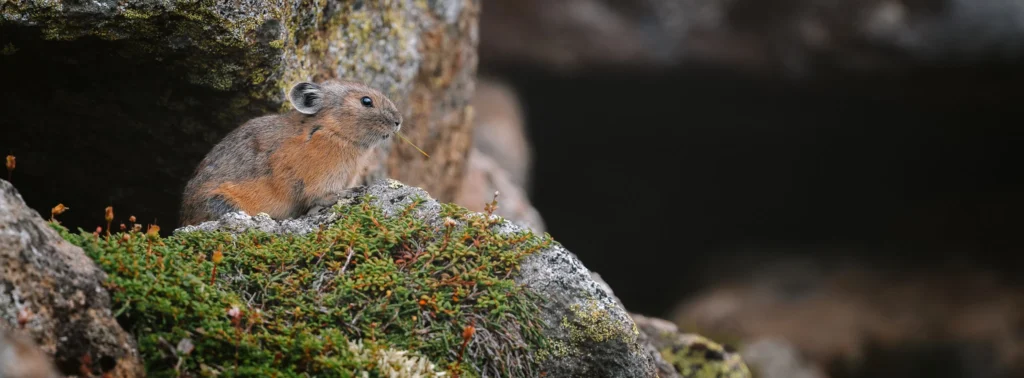
After about fifteen minutes, I finally spotted one. A small pika appeared between the rocks, standing briefly on top before darting back into the gaps below, calling loudly as it moved.
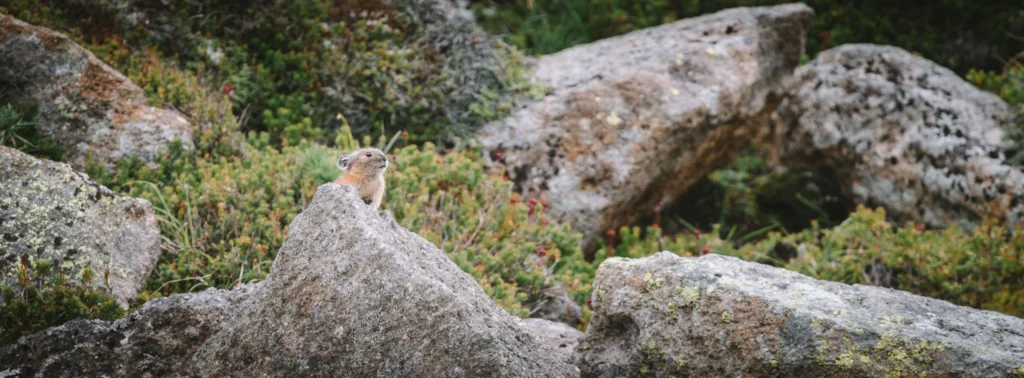
The Hokkaido pika is an ice-age mammal related to rabbits, living only in cold alpine rock fields. They don’t hibernate. Instead, they survive winter beneath the snow by feeding on vegetation they collect and store during summer. Because they rely on permanently cold ground, they’re effectively trapped in these alpine zones, making them especially vulnerable to warming temperatures.
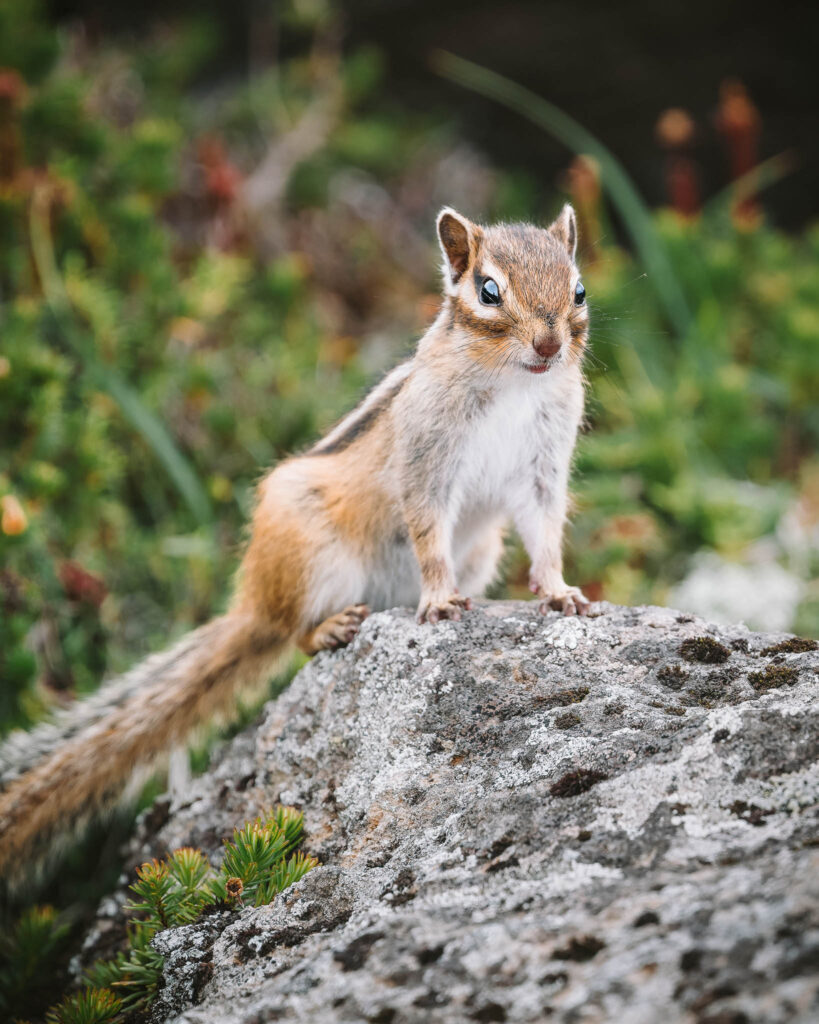
Photographing it required patience and speed. I shot short bursts as it moved and paused to call, grateful I’d carried the 300mm lens — without it, getting usable images would have been extremely difficult.
Nearby, several chipmunks appeared, far less cautious and happy to approach closely, though we didn’t feed them.
As clouds continued to lift, I made some of my favourite landscape images of the trip before descending back to Sounkyo and driving home.
Photography Approach
To save weight, I didn’t carry a tripod. With the Nikon Z8’s in-body image stabilisation, handheld shooting was never an issue. I shot in manual mode with auto ISO, generally working around f/8 unless I wanted shallower depth of field or more foreground detail. There was plenty of light, and even when ISO climbed, noise was easy to clean up later.
For the pika, I shot at 20 frames per second, switching between wide-area AF with animal detection and single-point AF when the camera became confused by rocks with similar textures. I have single-point AF assigned to a front button, so switching was instant without moving my hand — essential for fast, unpredictable wildlife moments.
Conclusion
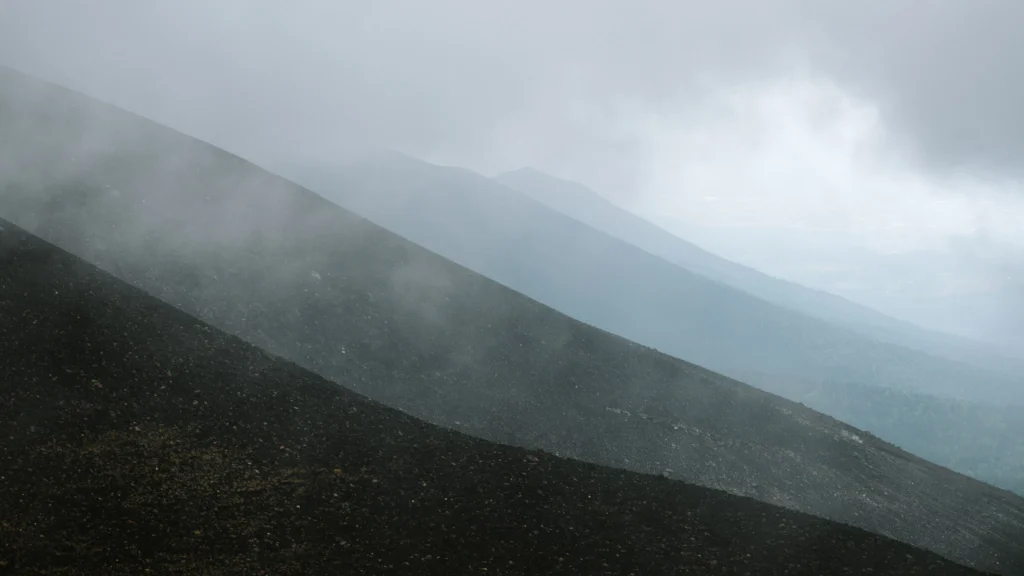
Daisetsuzan National Park is a place that rewards time and patience. From the volcanic ridges of Tokachidake and the exposed summit of Asahidake to the quieter plateaus around Kurodake and Ohachi Crater, it’s an area with huge variety and depth. Summer brings its own challenges — heat, cloud, and long days on foot — but it also reveals a stark, volcanic landscape that often feels more Martian than mountainous, especially when clouds drift through and briefly open up the ridgelines.
These hikes only scratch the surface. Daisetsuzan is vast, and there are many more places worth exploring for both landscape and wildlife photography. Many of the locations mentioned here, along with others across the region, are included in my Hokkaido Nature Photography Map, which I’m gradually building as I continue to explore the island.
If you’re interested in photography in Hokkaido — whether you’re planning a trip or simply enjoy reading about these places — you can explore more articles on the blog or sign up to the newsletter for new posts and updates as they’re published.