
How I Discovered My Photography Style
For a long time, I wasn’t sure if I had a photography style. My work felt too varied. I shoot skiing, wildlife, landscapes, and sometimes other things entirely. I enjoy the challenge of trying new subjects, and I used to think that variety meant I couldn’t possibly have a style.
But something changed when I started really looking at my photos over time. I began noticing patterns in the images I kept and returned to. I also started paying more attention to what I liked in other photographers’ work — and what I didn’t.
Do We Even Need a Style?
This is a question I asked myself often. Do I need a style? Does it even matter?
In the photography world, “having a style” is often seen as the mark of a professional or serious artist. It helps with recognition. It makes your work stand out. And yes, it can help you build a consistent audience or brand.
But style shouldn’t be forced. It shouldn’t box you in. You don’t need to shoot only one subject or stick to one look. In fact, trying to imitate someone else’s style can lead you further away from your own.
For me, style matters when it’s an expression of what feels right. When it shows up naturally. If someone sees a photo of mine and says, “That looks like Brendan’s work,” even if they haven’t seen it before — that’s enough.
Sometimes I saw something in another person’s photo that I liked and tried to bring that feeling into my own work. Other times, I admired a photo but found that style didn’t feel right when I tried it myself. That made me realise something important: style isn’t just about what you like. It’s about what resonates when you do it.
My Editing Style
My editing style is something that developed slowly — not from a plan, but through trial, error, and a gradual refinement of my taste. Early on, I often over-edited my photos. I added far too much saturation and pushed sliders just because I could. But over time, I began to recognise what felt right — and what didn’t.
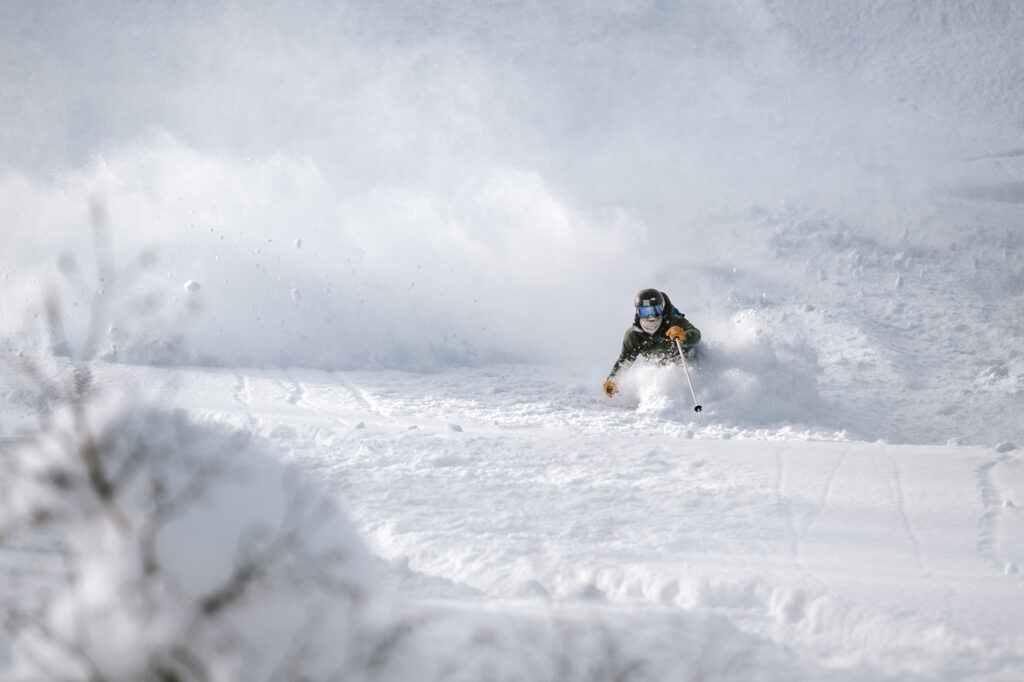
Looking at the work of other photographers helped shape this evolution. I studied images that felt calm, grounded, or emotionally strong, and started asking why. I also did several editing tutorials on YouTube from photographers I admired. I even bought some of their presets — not just to use them, but to reverse-engineer how they were built. All of this helped sharpen my eye and shape my own process.
Now, my editing style is controlled, intentional, and based on feeling rather than technical rules. I don’t aim to recreate the exact look of a scene — I aim to express how it felt. That might mean deepening the shadows in a forest, softening the light in a snow-covered landscape, or adding contrast to help a skier or animal stand out.
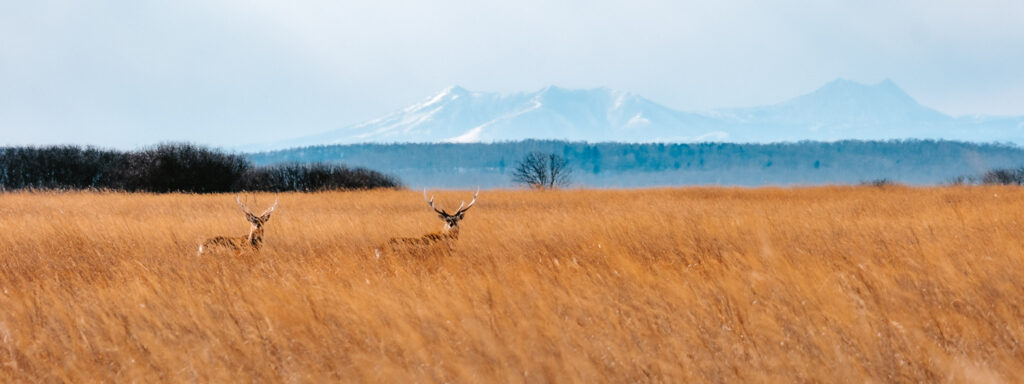
I tend to keep colors relatively muted and grounded, but I’m not afraid to make strong edits when it serves the mood. I don’t crush the blacks or blow out the highlights — I like contrast that feels natural, with enough depth to draw the eye without overpowering the image.
Across all subjects — landscapes, wildlife, or skiing — my goal is the same: to create a photo that feels honest, balanced, and emotionally true.
What I Look for in a Photo
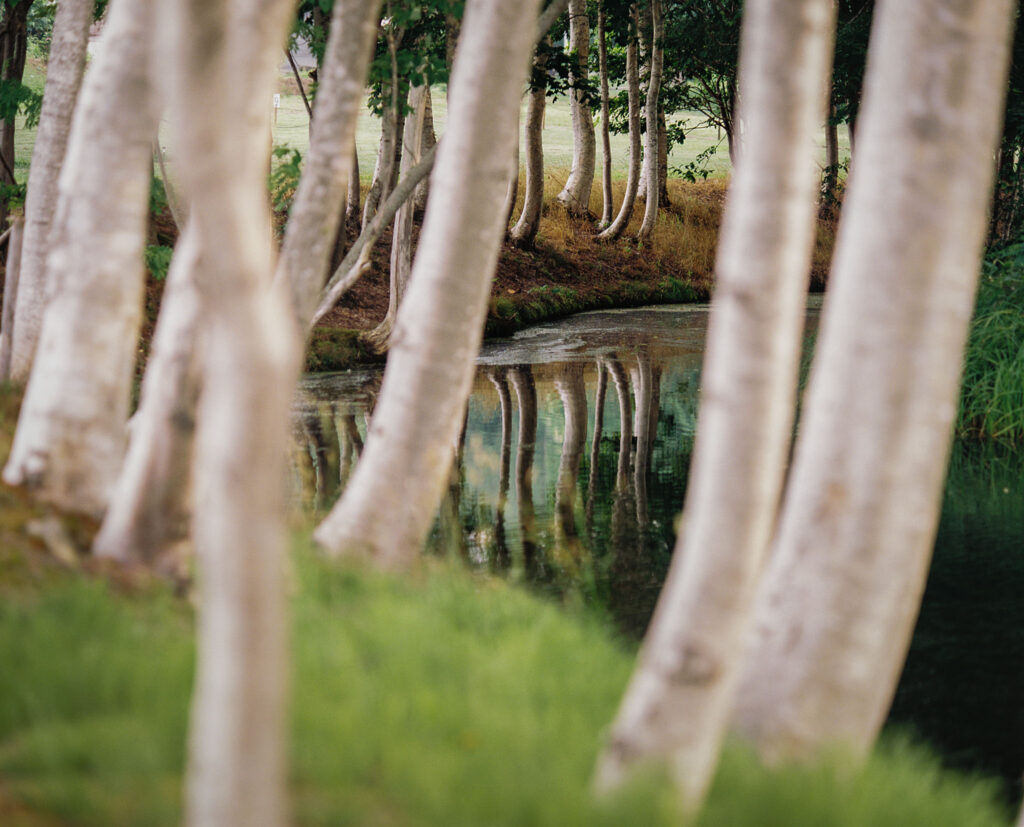
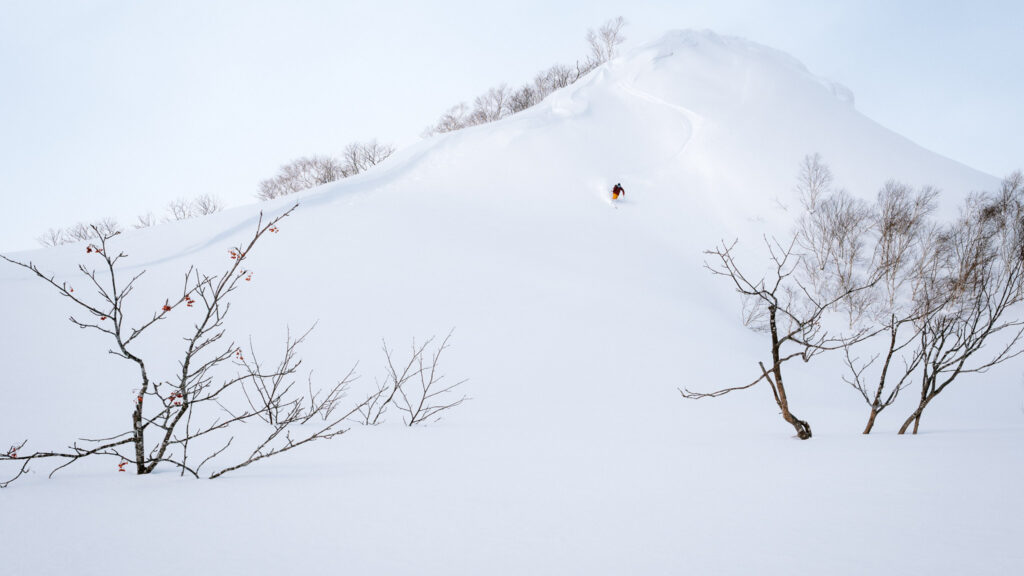
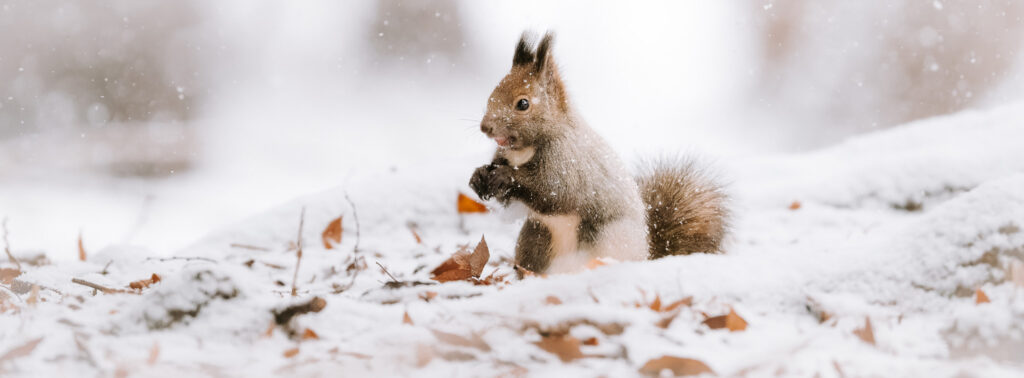
I used to admire those big, dramatic, ultra-detailed landscape shots. But when I take those kinds of photos, I often find them boring. They don’t move me. Same with ski photography — a perfect, technically good turn with no context doesn’t interest me as much as a photo that tells a story, shows spray, texture, contrast, or places the skier in their environment. And when I look at the wildlife photos I keep, it’s rarely just a clean animal portrait — it’s often a fleeting moment, an expression, or the interaction between the subject and the land.
I’ve been asking myself more often: Why take this photo? What does it say? What makes it mine? I didn’t plan a style — I just started noticing what keeps showing up.
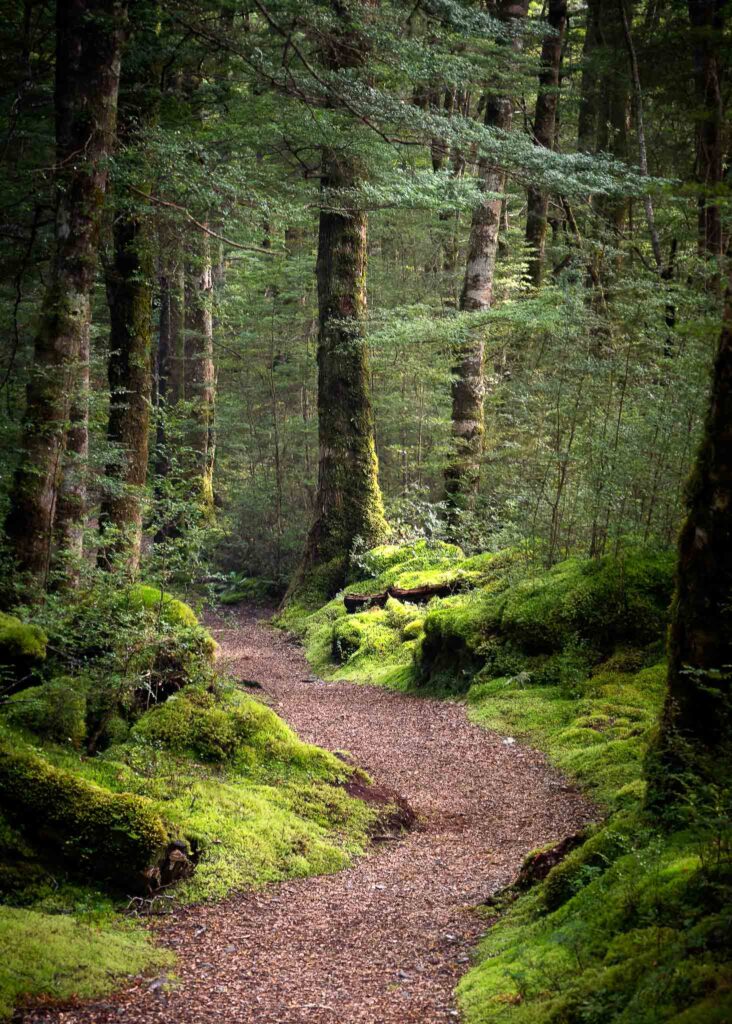
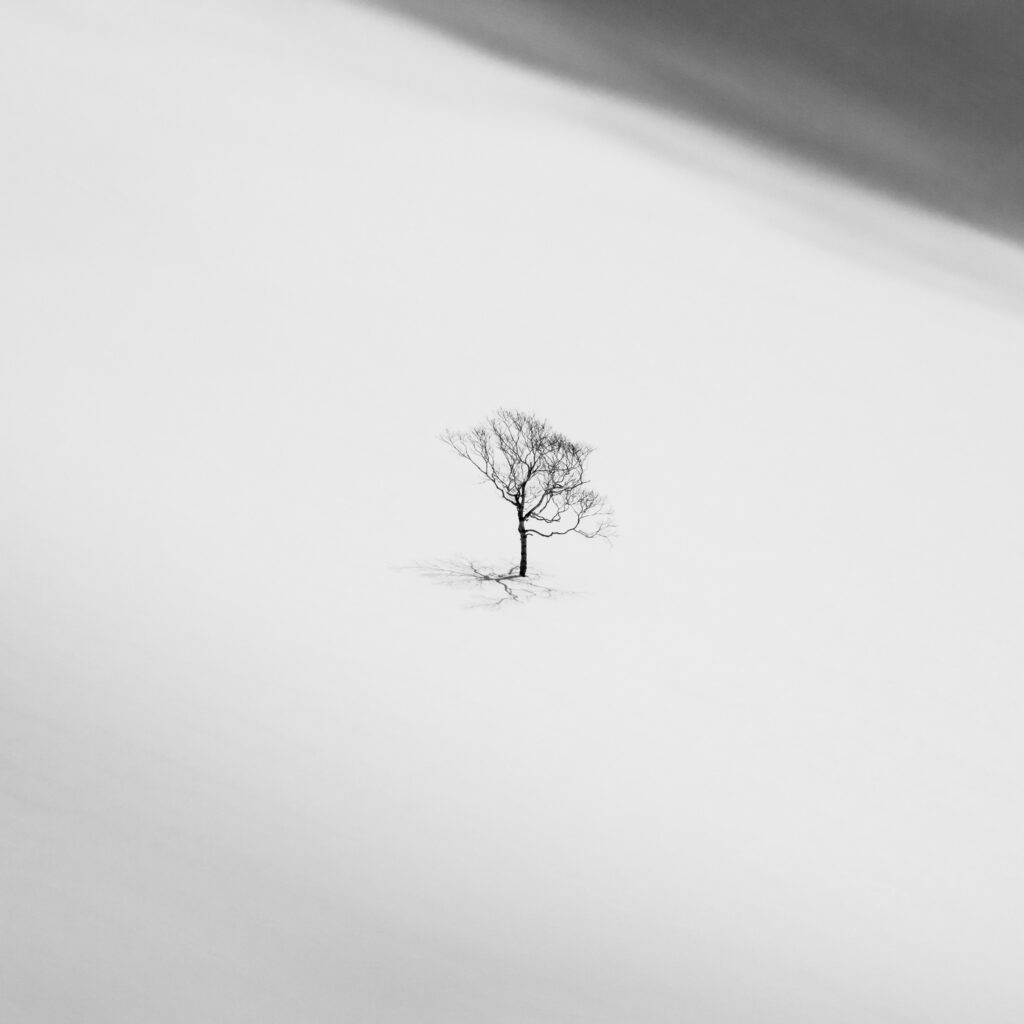
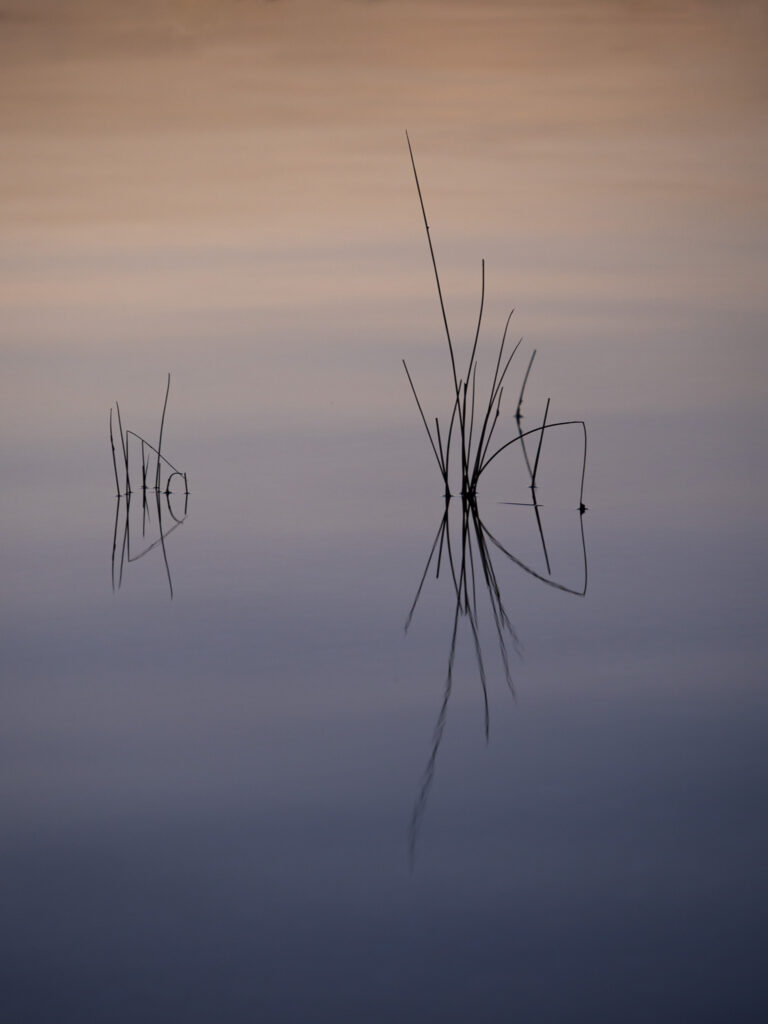
Most of my landscape shots, for example, were taken while walking around with a camera in hand. They weren’t set-up shots or tripod-heavy compositions. They were scenes I reacted to in the moment. Later, I realised that the images I liked most had something in common: they felt calm. Grounded. Honest. Other people have described my style the same way, again and again: calm.
ADHD and Creative Focus
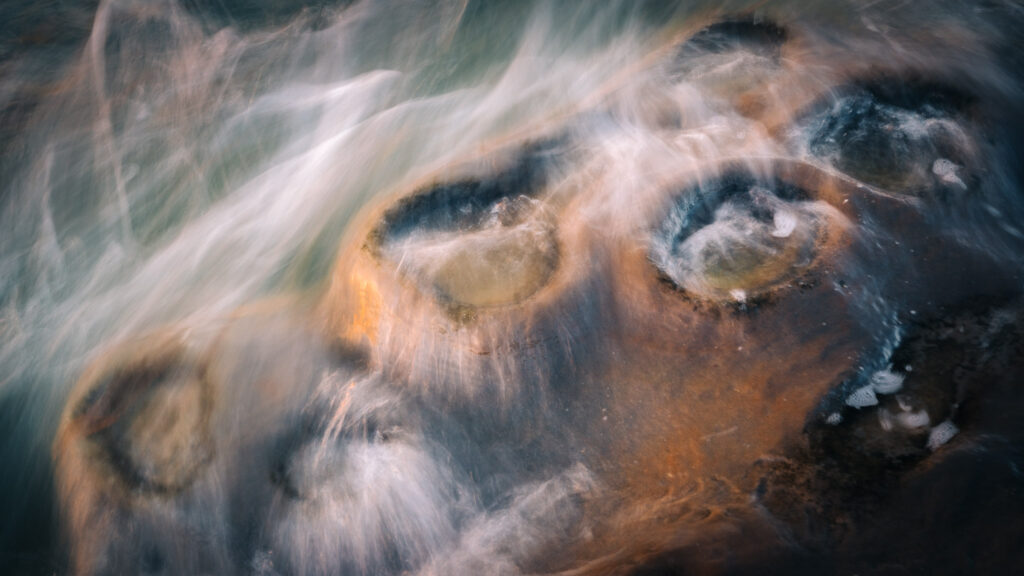
My ADHD plays a role here too. Photography helps me regulate my mind — it slows things down, focuses my attention, and creates moments of calm. Whether it’s the quiet of a forest trail, the energy of a skier moving through light, or the intense presence required to track wildlife, the camera helps me engage with the world in a focused and meaningful way. I’ve written more about this in Photography as Meditation: How It Helps Calm the Mind.. In the case of landscapes, it quiets the noise. In ski photography, it balances the rush of the skier with the serenity of the mountains. In wildlife, it gives me a hit of presence and focus — tracking, sensing, and reacting with complete attention. The camera becomes a way to engage with the world and quiet it at the same time.
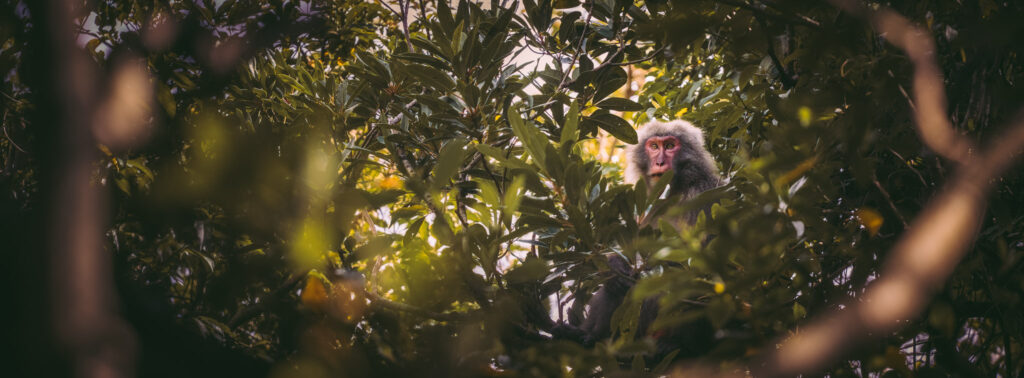
To help see things more clearly, I even gave ChatGPT a sample of my ski, wildlife, and landscape galleries. I wanted to know if someone else could see a style in them.
This was the summary that came back:
“Brendan’s photography blends calm observation with raw presence. His work — whether showing a skier carving through powder, a bear mid-hunt, or soft light on a forest trail — is unified by a quiet attentiveness to mood, story, and space. He favors natural tones, instinctive composition, and emotional honesty over flash or perfection. His images feel grounded, real, and often meditative — like they were discovered, not forced.”
I think that’s accurate. And the truth is, I never set out to make my work that way. I just shot what felt right and looked back later to see the patterns.
So do I have a style?
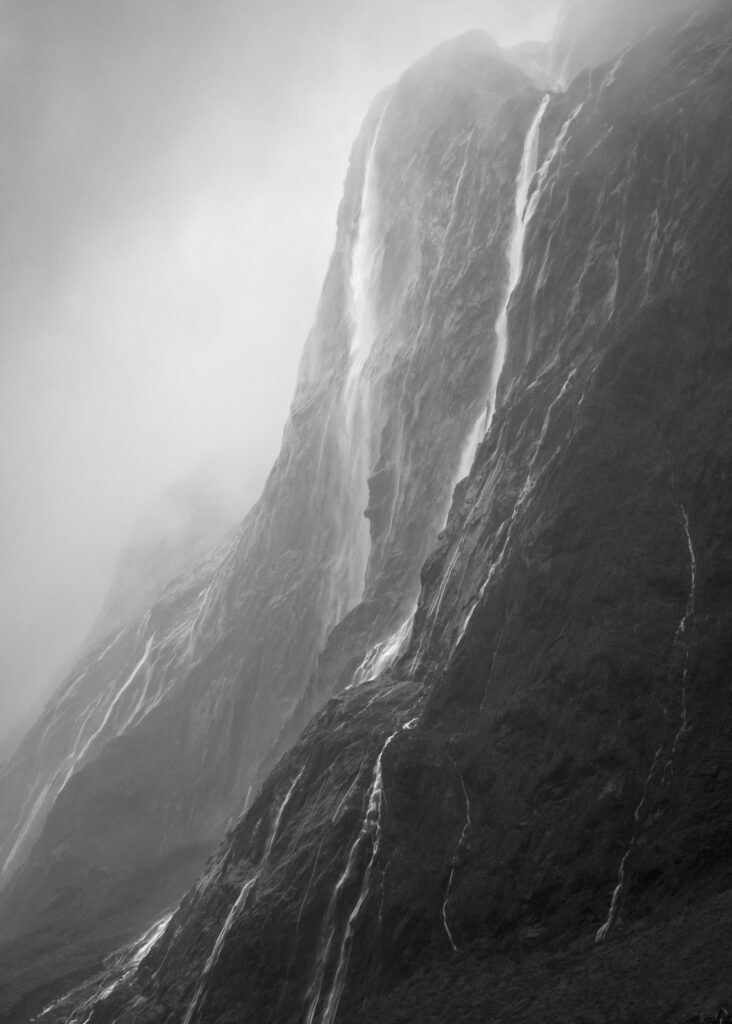
I think I do.
Of course, not all my photos fit this. And I know my style will keep changing — that’s part of the process. But for now, these are the threads I keep seeing in the work that feels most like mine.
Not every photo I take fits this style — and I’m okay with that. But when I look back at my personal favourites, the ones I keep returning to, most of them do. They share that same calm, natural tone, emotional connection, and quiet observation. That tells me something. But it wasn’t built from a plan — it emerged from presence, from instinct, from repetition, and from reflection.
And that, for me, is the point of photography.
Not to impress. Not to win. But to notice.